


Canada’s great for poker, though not without its flaws. This article is the first of a series to explore its poker laws. We’ll cover every province, and every territory, revealing all the details of our ‘legal poker’ story.
Let’s start with the big picture: Federally, in general, it is legal to play poker everywhere in Canada, either live or online. Different regions have different rules about many aspects of play, such as age minimums to participate, so while in order to play for money most require a participant to be 19 years or older, Alberta, Manitoba, and Quebec allow it at 18.
In fact, most of the regulations about poker in Canada have more to do with operating poker games than playing them — and most of the prohibitions revolve around operators that are taking a rake or a timed drop, charging a cover fee or session fee, selling food or drinks to the players, or in any way otherwise profiting from running the game.

So don’t worry about running that casual home game with your buddies: even if you are playing for real money, as long as everyone is of age and it’s taking place in a private residence and the only money changing hands is for poker chips and wagers, you are in the clear.
Private games: What is allowed and what isn't
Here are a few examples of home game setups that probably would be allowed in Canada, as long as they took place at a private residence:
- A cash game or tournament that was played for free, had no prizepool, and there was no charge to play.
- A cash game or tournament that was played for real money where there is no charge to play (as in, the entire buy-in goes into the prizepool).
- A cash game or tournament for real money where there is a professional dealer who is only paid by individual and voluntary tips.
- A tournament series for real money where a portion of the prizepool of each game is reserved exclusively for a future game’s prizepool with bigger prizes, like satellite entries or leagues with ‘final tables’.
- A poker night with games for real money and food, drinks, or entertainment provided by the host at no charge to the players.
Here are a few examples of a home game setup that would probably not be allowed under Canadian regulations (some exceptions exist for fundraising events for legitimate charitable organizations):
- A cash game where the dealer or house keeps any money out of any pot.
- A tournament where any part of the entry fee does not enter the prizepool.
- A poker night in which, in addition to cash game or tournament entries, the house charges the players a fee of any kind to cover or defray the cost of food, drinks, or entertainment.
- A masking system, like a poker tournament that is technically free to enter but participants have to buy a ‘hat’ to play and the ‘hat’ costs $100, or other kinds of ‘hidden rake’.
- Any poker game in a bar or restaurant that is not free to enter.





The enforcement issue
Now, I know what you are thinking: 'I’ve seen several of those poker scenarios with my own eyes! Have they really been illegal?' Well, the answer is ‘yes’ but there’s often a difference between what’s prohibited and what’s enforced.
You’ve probably seen poker played informally — but for money — by bar regulars in a weekly game. Many of us have probably played in one or more of these over the years, getting together every Tuesday at a pub nearby and playing a freezeout for $10 or $20, for many of us just as an excuse to meet up with friends and get social. Unfortunately, because the bar is profiting from the food and drink they sell to their patrons, even though no-one is taking a rake, even a friendly game like this is technically illegal under Canadian law.
But if this is your closest brush with poker criminality, don’t worry too much about the cops breaking down the local pub’s door: they've got bigger fish to fry.
Even in Toronto, for instance, where you can simply query google maps for ‘poker’ you’ll find dozens of private, ‘underground’ gaming locales being flagrantly advertised in public, with addresses and photos and official websites extolling the virtues of each venue. Are they blatantly illegal? They sure are! So why aren’t they getting shut down?
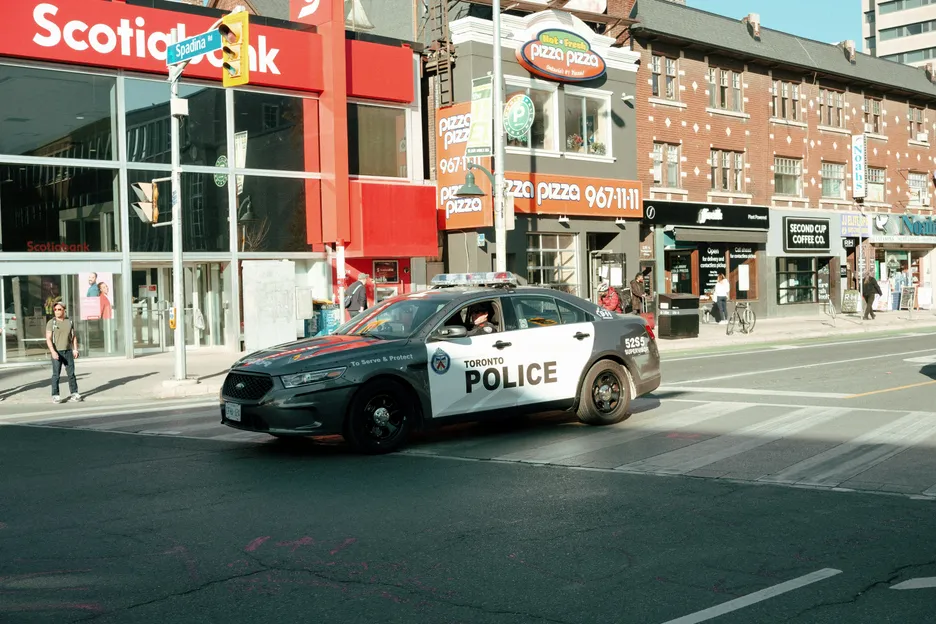
Ultimately, it’s because they are not a priority for regional law enforcement, and crime-fighting resources are often scarce enough to cause departments to focus on more pressing criminal activities in their jurisdictions.
But there are risks associated with playing in unregulated games: police enforcement is rare but not unheard of, security is typically not as robust as that of licensed gaming establishments, game security and fraud prevention measures are significantly less stringent, and the rake or fee to play is often prohibitively high.
The safe bet for live play is to play where it’s legal, and since that varies by province, we’ll cover that more comprehensively in a future article.
The tax question
Let’s move on to the best problem a poker player can have: You won a bunch of money! Now what?
Canada doesn’t tax any gambling winnings or lottery prizes or other windfalls of that nature, so if you are playing poker recreationally as an amateur, you can keep all your winnings! Anyone filing their taxes as a professional player however would have to claim their winnings as taxable revenue. Pro players might decide to file their taxes in this way if they were able to leverage a lot of gambling losses or other legitimate expenses for a professional poker player, like travel, accommodation, tournament or cash game buy-ins, coaching, and that kind of thing — but for most people, filing as a recreational player will be the best choice for them.
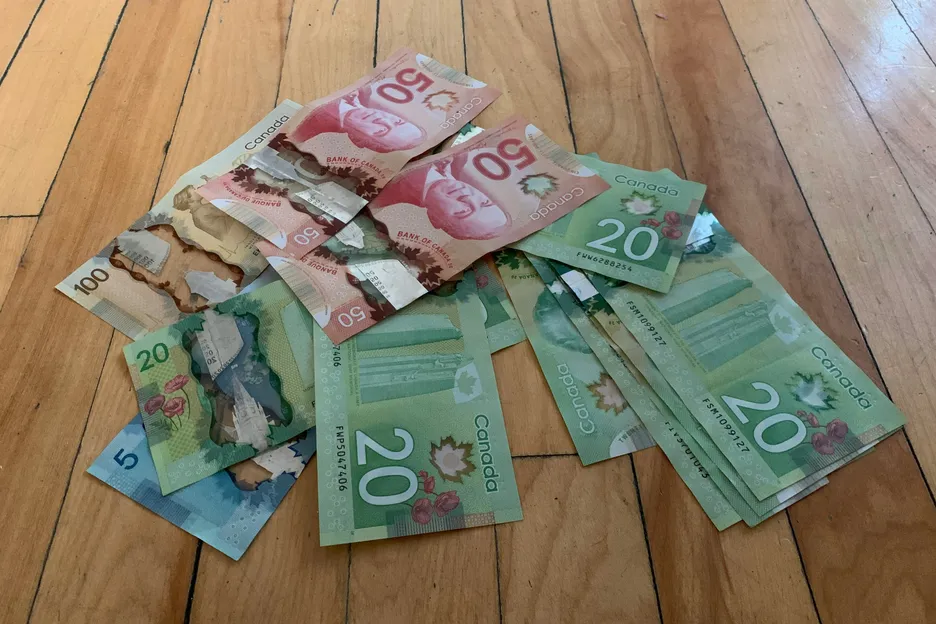
Unfortunately, Canada’s lack of taxation on poker winnings does not extend beyond its borders. What if you are a Canadian who has a big score in another country, and their tax-collection agency withholds a portion of your winnings? Typically, to recover any of these funds you will be required to file a tax return in that country for the year it took place, and different countries will have different methods for determining how much of your withholding — if any — you will be legally entitled to.
Every Canadian province and territory has slightly different rules about what constitutes a legal game, who can play and where, and even how events have to be organized and promoted. We’ll get into those regional distinctions in our next article, coming soon.
We’re also going to examine playing online in Canada, how that also differs regionally, and some pros and cons of each regulatory system.
So stick around! The Canadian poker scene has a lot for us to explore, unpack and share together — and we’re just getting warmed up.
Want stories like this and more direct to your inbox? Get the free PokerOrg Canada newsletter now.
Additional images courtesy of Niamat Ullah/Victor Ballesteros/Unsplash.


