

Mike Patrick is a proud Canadian who loves his hockey and has traveled the world, reporting on major poker events including the WSOP, WPT, EPT, and more.
Poker players can be nocturnal creatures. We’ll get into that great cash game session and won’t sleep until well past sunrise if the game is good enough. But that’s always our choice. We can rack up whenever we want, be it two hours, eight hours, 16 hours, or more.
But what about tournaments? Where the structure is pre-determined, and once you’ve sat with chips in front of you, the goal is simply to last as long as cards are in the air and you still have chips. Some venues and operators offer a faster structure, which sees a single-day event or tournament flight completed within eight to nine hours, while others stretch the play to upwards of 12, 14, or even 16 hours.
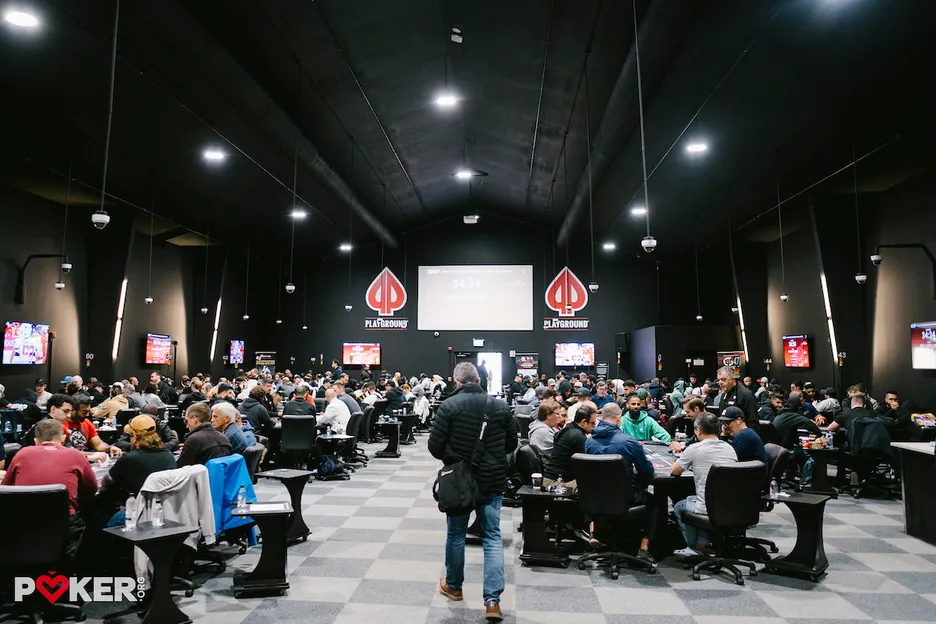
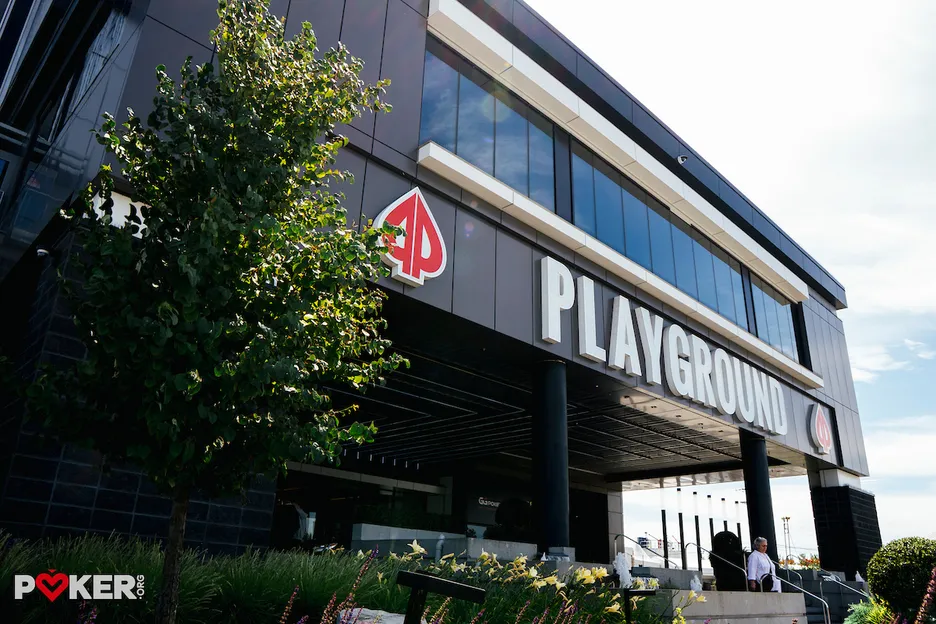
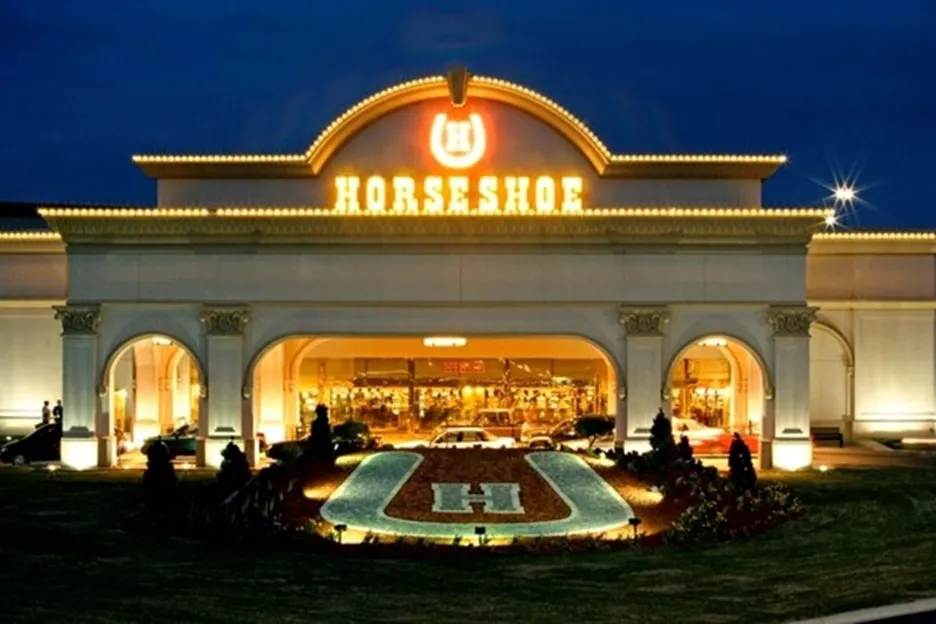
This contrast was illustrated recently in a pair of WSOP Circuit series at Playground in Montreal, Quebec, Canada, and at Horseshoe Council Bluffs in Iowa.
How long is too long?
Playground offered both options in their series, with starting flights of the $400 Mini Main Event wrapping up in roughly eight to nine hours, leading to a second day of play that ran a similar length. However, they also ran single-day ring events that began at 4 or 6pm and played past sunrise, lasting anywhere between 12 and 16 hours.
At Council Bluffs, a pair of single-day ring events starting at 3pm have been played with a structure that saw them both finish before midnight. In contrast, there have also been events scheduled for two days that played out in one, with a 14+ hour completion time.
So, how long do you really want to be at the tables? What amount of time is worth the mental investment of chasing a goal, be it money or a trophy? What’s fair of a venue to ask? Where’s the correct landing spot in the never-ending balance between variance and skill?
And at what point are any of these asks irrelevant because the structure has reached the point that the human body is incapable of making optimum decisions because of its length?
We spoke to players at both venues to get their thoughts on the kind of structure they prefer in these situations, and how much poker is too much.
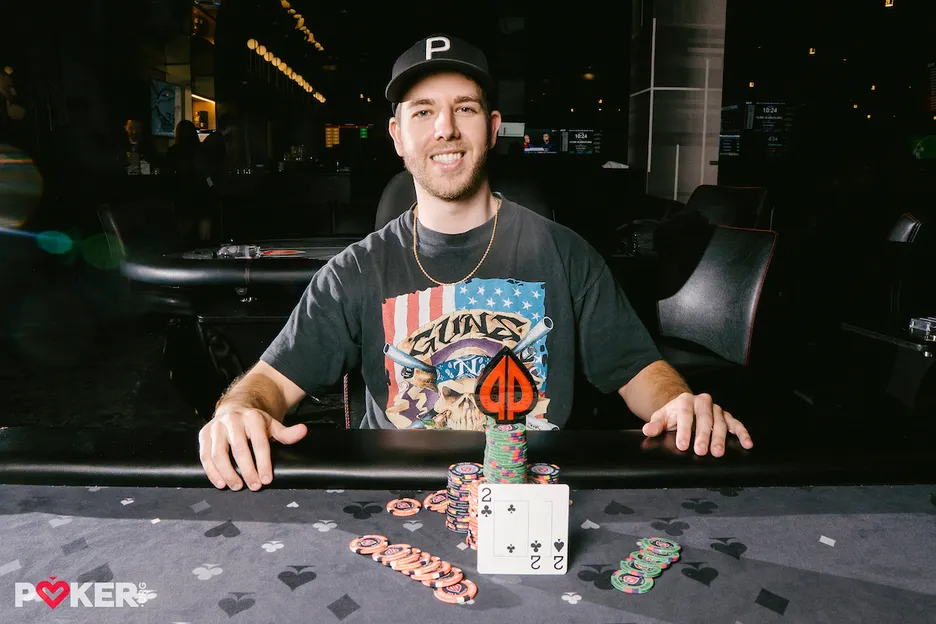
WSOPC Playground champ, Jacob Hobday
“I personally prefer a shorter eight to ten-hour day. When you’re grinding an entire series for multiple weeks, the longer days definitely start to take a toll on you, and as a result, you end up having to take days off.”
Playground tournament regular Ian Monahoyios
"Personally, I prefer multi-day tourneys. So a slower structure, but spread over two or three days, similar to the WSOP in Vegas. Then, if that’s not an option, I prefer the longer tourneys because I prioritize quality over quantity.
"I hate it when a tourney becomes a bingo crapshoot and the average stack on a final table is sub 15BB. But I also dislike going to bed at 7am, so ideally, an early start, early finish, several days. And in last, a turbo tournament they want to finish in nine hours."
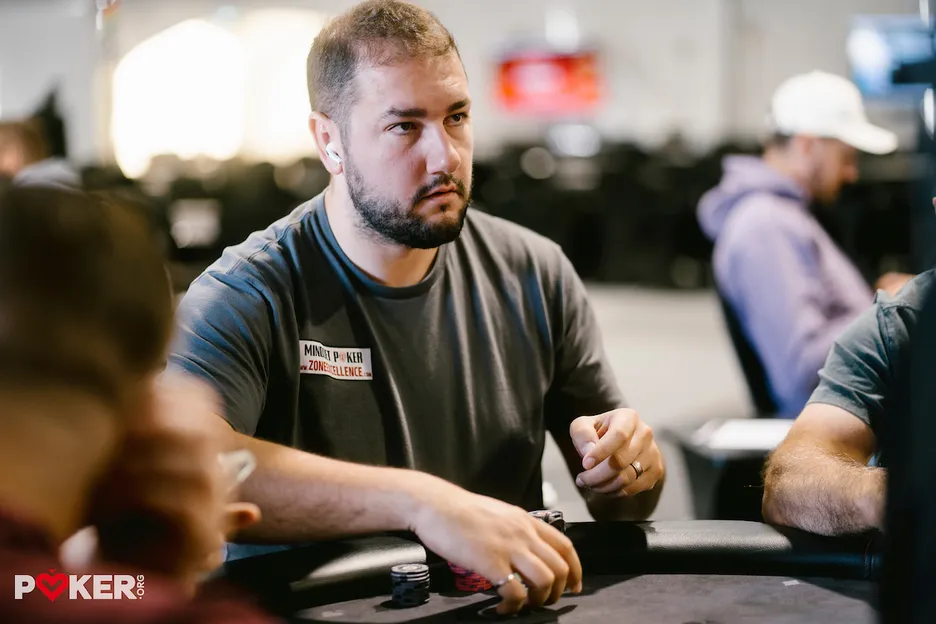
4-time WSOP Circuit ring winner, Kasey Mills
“I am prone to fatigue, and I do prefer to be able to play at my highest level for as long as possible, so for me an eight to nine hour day is the most beneficial to be at my peak and play the best.”
Do you ever want a single-day tournament to be more than, say, ten hours?
“I don’t really. Sometimes it has to happen, and we want to get it done. It’s such a grind, and if you’re really looking for the cream to rise to the top, I guess you could say that having to play through fatigue is part of that, but ultimately I want to perform my best against somebody else’s best.”
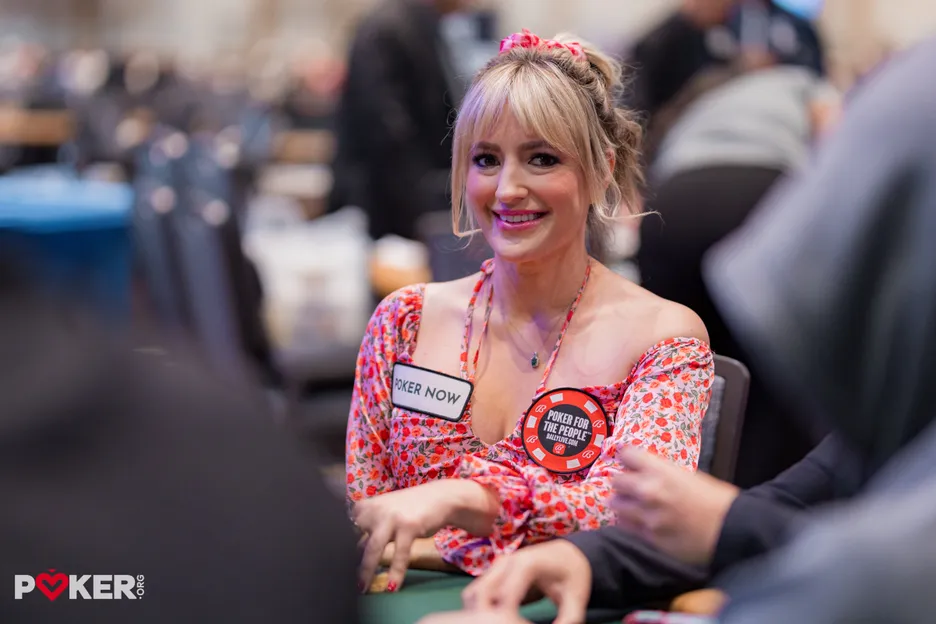
19-time WSOP Circuit ring winner Dan Lowery
“The older I get, the less I like playing those long hours. I used to put in 30-hour sessions, but yeah, that’s just a little extreme. Especially as by the time you get to those 14-15 hour days, that’s where the money matters, and everyone’s just fatigued.
"The other thing is, a lot of times, the dinner break was early, and you haven’t eaten in eight or nine hours. The fatigue really sets in."
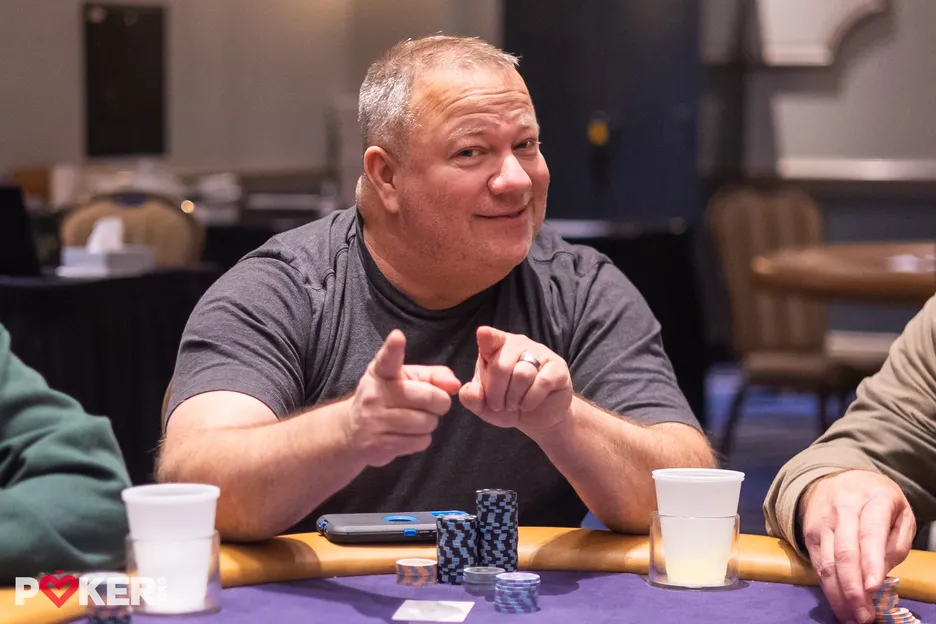
Momentum for shorter days is growing
While there are some, like Allen Kessler, who preach the benefits of slower structures and longer days, the sentiment for shorter, more reasonable days seems to be growing throughout the poker world.
Like Lowery, I used to be a regular of the longer cash sessions when I was younger, but as I’ve grown older and (I think) wiser, I definitely realize the negative impacts of those days and the benefits of a shorter day on the felt. This is why, personally, I'm more selective of the tournaments I play, and my cash sessions are shorter than they used to be.
As Mills suggests, in a tournament, when I need to be at my sharpest to make the most important decisions of the day with the biggest money on the line and not just a few big blinds here and there, the last thing I want is to be wishing that I didn’t have to make those decisions when my brain is foggy from exhaustion.
To Hobday’s point, operators should recognize that if players are fresh and ready for more poker because they didn’t have to play until a few hours before the next event starts, that’s more rake for them as well. Those players, few as they may be, will be more willing to keep firing in more events rather than needing to take a day off.
And while Monahoyios’ points are valid, as variance is lessened the longer an event goes, is that decrease in variance negated by sub-optimal decisions late in an overly long day of tournament poker?
Ultimately, it will always be up to the player to decide what they wish to do when presented with the structure of a poker tournament, but I count myself as a member of Team Shorter Days.
Want stories like this and more direct to your inbox? Get the free PokerOrg Canada newsletter now.


