


As 2025 turns into 2026, we are reflecting on some of the biggest stories of the year.
In this case, we look back on new insights and poker artifacts found throughout the year in the Special Collections department at the UNLV library.
The World Series of Poker would not exist without the efforts of high-powered LA press agent Henri Bollinger.
You can say that about a lot of people, but few more so than him. Bollinger was an influential figure in the growth of Binion's Hotel and Casino in downtown Las Vegas, having served as Benny Binion's press manager throughout the core years of his ownership of the property. All matters related to the planning and public relations of the WSOP flowed through Bollinger's office, where he worked to get publicity for the casino in newspapers and magazines all over the country. He would also spearhead a series of WSOP documentaries that would eventually evolve into a relationship with ESPN, and it would grow into the coverage that made poker famous during the Moneymaker Boom era.
A collection of Bollinger's records and other Binion's marketing materials are housed in the Special Collections archive at the UNLV library. Jack Binion donated most of it in 1991 and more materials were added in 2004. It contains 10 large bankers boxes of hand-written tournament records, VHS and Betamax video tapes, photographs, programs, biographies, and anything else used to publicize the WSOP throughout the 1970s and 80s.
We spent many, many hours in 2025 digging through the collection and pulling out the most interesting artifacts. Bookmark this page and take a look back at what we've found so far:
The Binion's Collection of Poker Records
Doyle Brunson's lost card room
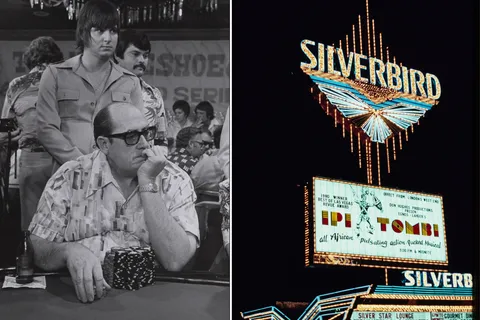
While it wasn't a total mystery, not much was known about Doyle Brunson's Ten-Deuce Club at the Silverbird Casino in 1979. Binion's didn't offer poker outside of the WSOP, and Doyle's room would fill the void in the other 11 months of the year. It didn't last long, but you could get a health screening there in the morning. In this one we found letters, press releases, early marketing budgets, and more.
The Poker Hall of Fame is born
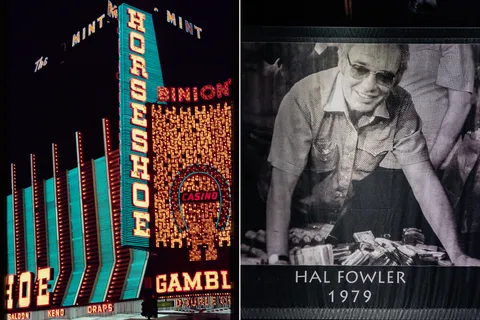
The archives reveal several interesting bits about the early days of the Poker Hall of Fame. Among the artifacts you can find in this article are an original invitation from 1979, an early draft of the PHoF requirements, and the certificate that would have been presented to Wild Bill Hickok if he were still alive to attend the ceremony.
Stu Ungar goes back-to-back
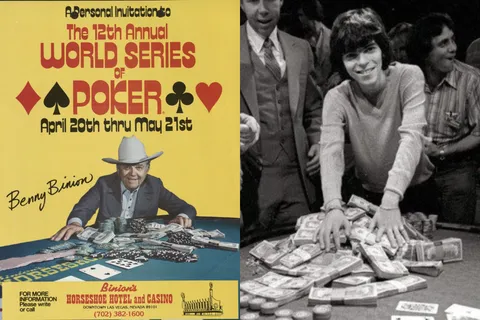
Stu Ungar beat Brunson in 1980 to win his first of three WSOP Main Events. He would return the next year and do it again against Perry Green, even adding a second bracelet that year for good measure. The 1981 artifacts include hand-written chip counts, seat draws, structure sheets, and a press release touting Binion's as the perfect place for a 'serious gambler.'
A chip and a chair
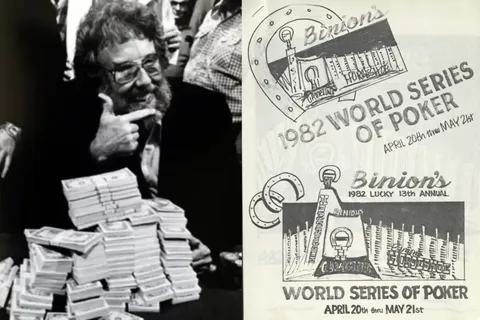
The 1982 WSOP was notable for giving away gold watches instead of the now famous WSOP bracelet, and Jack Straus would be the one to win it after his famous come-from-behind win in that year's Main Event. This rich archive of 1982 artifacts includes drawings, structure sheets, press interviews, and some of the best hand writing you will find in poker. Also notable is that the 1982 WSOP documentary is unavailable on PokerGO, but you can find it on Betamax at UNLV.
The birth of AI poker?
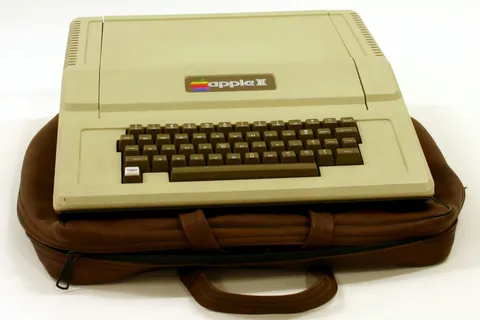
In 1984, Mike Caro put his poker playing computer up against some of the best players in the game in a demonstration on the eve of the Main Event. Inside you can find a series of letters involving the planning and execution of the event, including some assistance from a very young Apple Computer Inc. Other unique artifacts from 1984 include what a description of the technology and what might be the first poker e-mail.
When Binion's met ESPN
The first entry in our WSOP history series back in April and possibly the richest. A series of letters details the genesis of the relationship between WSOP and ESPN, as well as the production of their first joint documentary in 1987. The letters and other correspondence from that year provide never before seen insight into the entire production, including scripts, storyboards, and even an original incident form from when a camera fell on an unsuspecting patron.
Chan vs. Seidel
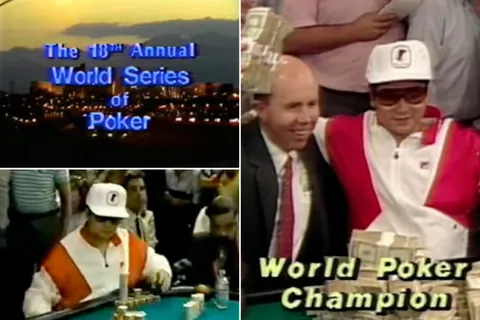
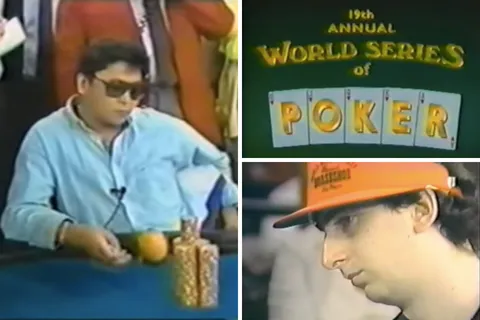
Following the first ESPN broadcast in 1987, the two parties would work together again in 1988, this time for what would end up being one of poker's most famous scenes. Johnny Chan would face Erik Seidel in heads-up play, a duel that would be memorialized in the movie Rounders. The movie used footage from that original ESPN documentary, scripts for which you can find in this article. You can also find a lot of hand-written tournament records and a candid interview with Chan after the win. What was he going to spend the money on? More gambling.
By no means is that all, and plenty more awaits in the dark corners of the library at UNLV. We will return in 2026 to dig further into the Binion's collection and beyond to uncover more insight into poker's unique history.


