


Luke Geel is an AI engineer for the US Air Force with degrees in math and economics, and is working towards a Masters in AI from Johns Hopkins University. He’s also an avid poker player and can often be found at the live tables in the Boston area, as well as occasional appearances on the Garage Game live stream.
In the first of a regular series for PokerOrg looking at the intersection of poker and AI, Luke asks: How big an issue is wearable tech at the table?
Wearing sunglasses at the table is very common. But next time you sit down with a player with their shades on, take a closer look at the frames; you just might be being filmed without your knowledge — or even worse.
Smart glasses are nothing new. As far as I’m aware, Google Glass was the first mainstream product to hit the market back in 2013, but they never really caught on, and production had stopped by the following year.
But public attitudes have changed — as has the technology behind smart glasses — and these days products such as Meta Ray-Bans have become much more commonplace. Their success has encouraged other companies to follow suit, and these days there are a handful of popular options, as well as a litany of other, less well-known models.
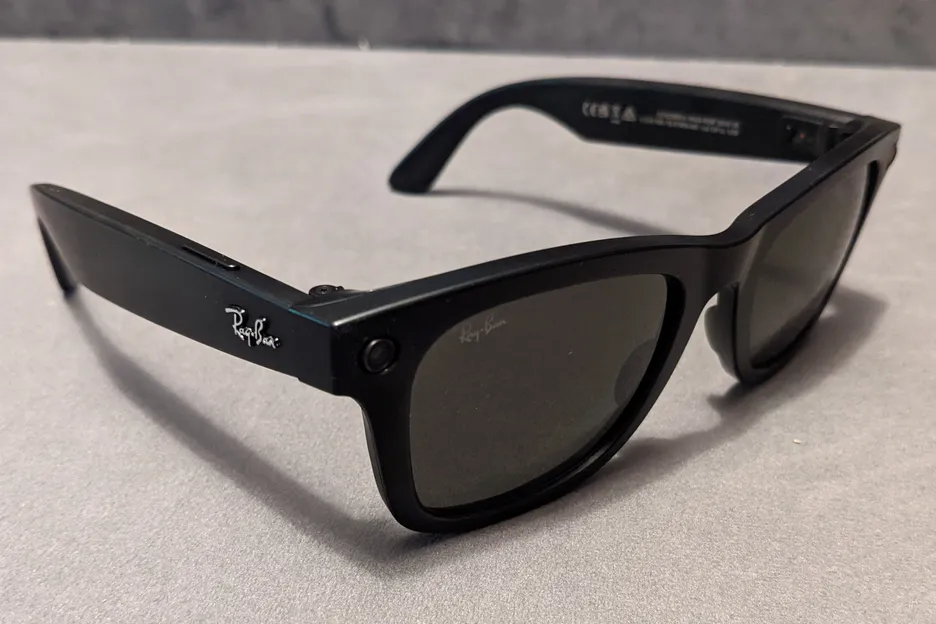
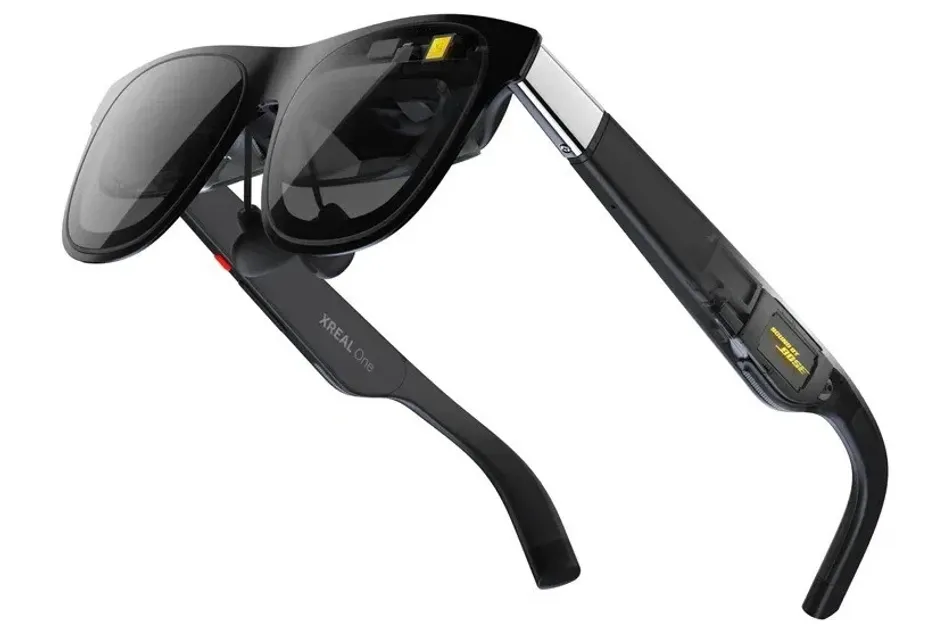
At their most basic, these glasses are basically an extension of your phone; you can call and text, use Siri and listen to music. More advanced models like the Mira, Even G2, and XReal glasses have built-in screens which allow for things like real-time translation, navigation, or image searches, and I think the most interesting functionalities will come from these lesser-known brands.
These more developer-friendly models allow you to write your own code, unlocking a world of potential. Recently a start-up that sprang from a student project coming out of Harvard showed how just looking at someone can reveal a ton of personal information, such as names, occupations, interests and home addresses.
This raises some obvious privacy concerns, but also should sound a note of caution for poker players. As technology continues to advance we should be aware of potential problems in the future, but also know what’s technically possible right now.
What’s possible now?
From where we stand right now, in early 2026, I don’t think smart glasses pose too much of an immediate threat. There is a way they could be used to cheat at poker, though, and without much, if any, specialist customisation.
When you’re wearing smart glasses with a camera and bluetooth speakers, generally you’re the only one who can hear the audio. That means it’s possible to stream video to a third party, based elsewhere, who could use a solver to advise you in real-time.
That’s cheating whichever way you look at it, and while it’s unlikely you’ll come across someone trying this out, the only way to be sure is to remove that security vulnerability.
But there’s inconsistency in how poker rooms will deal with the issue. At Encore Boston I saw a player simply plug his Meta Ray-Bans into the wall to charge, he wasn’t even wearing them, and the floor manager made him put them away. And then at Nashua in New Hampshire I’ve seen players wearing them at the table, and no one said a word.
Does the room where you play have a wearable tech policy? It might be worth you finding out.









What could be possible?
While the big brands are fairly recognisable, I’m more worried about the lesser-known types. They might not be so obvious to spot — they may have better concealed cameras, for example — and they’re also generally easier to write your own code for.
And when you factor in the rise of vibe-coding, using AI to help people with programming, it could be an ever bigger issue. Anyone now has the capability of an entry-level software engineer, or maybe a little higher.
Imagine a pair of connected glasses with a display that can take in all the information at the table. Not just your hole cards but your position, stack sizes, board cards and everything else. It could then run the scenario through a solver and give you automated real-time assistance. Face someone like that at the table and you’re no longer playing a human, you’re playing against a solver. That doesn’t tend to go well for humans.

It’s not just glasses, either. Hats and earphones are common at the tables, and could be used as Trojan horses to sneak wearable tech into the game.
And looking a little deeper into the rabbit hole, we may reach a point where you can even scan your opponents’ faces and physical behaviors, cross-referencing captured footage with hand histories to produce guidance on whether they’re likely to be bluffing, or have the goods.
Is this the stuff of far-fetched science-fiction? It’s not available right now, but I believe it’s on the horizon. I’ll delve more deeply into that idea in a future column, so stick around.
How do you protect yourself?
This is not an issue which is going to just go away. As with any security risk, casinos and card rooms need to have a policy in place. While players should be vigilant, and raise the issue if they see someone at the table wearing smart glasses, the responsibility shouldn’t rest with them.
Some casinos such as Encore Boston already use metal detectors, and I would suggest that as part of that screening process measures should be taken to ensure wearable tech is not present at the tables.
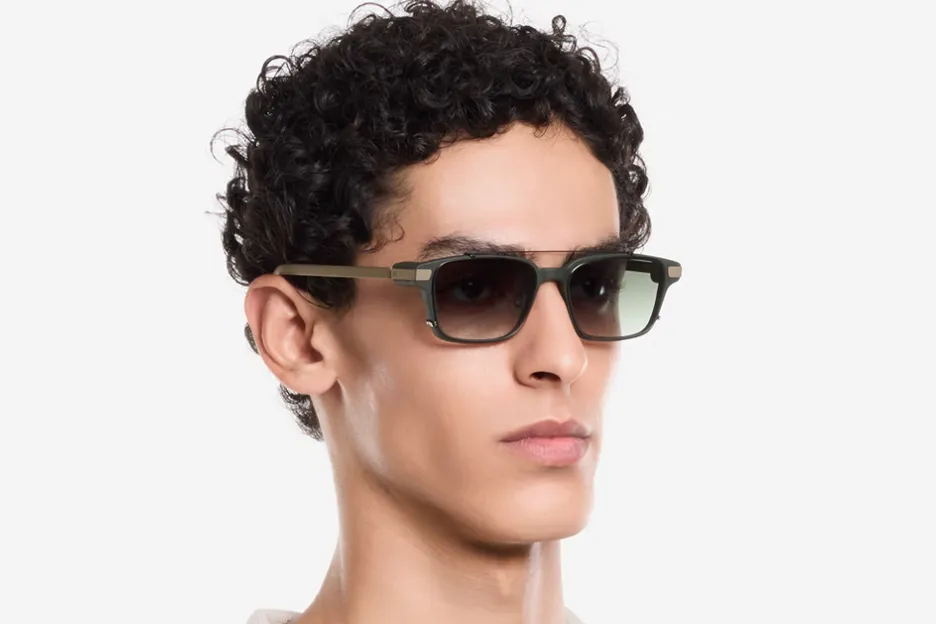
Security personnel should also be educated on the different types of glasses to look out for. The most common models may be easy to recognize, but there are plenty of others designed not to be noticed. We need to be able to spot them.
So if your local card room has a policy on wearable tech, find out what it is and report any breaches you see. And if they don’t already have a policy, I’d suggest letting them know that they need one.
You can no longer bring a laptop to the rail of the WSOP Main Event, but it took player feedback to make that happen. Give your local poker room the feedback they need now, before it becomes a bigger problem.
Follow Luke Geel on LinkedIn.
Featured image generated using AI. Additional images courtesy of Even Realities, Cavebear42/Wikimedia and XReal.