


There was a controversial hand on Episode 3 of the new series of High Stakes Poker between the CEO of Monkey Tilt, Sam ‘Senor Tilt’ Kiki, and venture capitalist Darin Feinstein.
After the river card was dealt, Kiki reached forward with a handful of chips as if he was going to bet. Feinstein was behind him and picked up chips, looking ready to call. Kiki saw this, then changed his mind and checked instead.
Was that Kiki’s plan all along? It's hard to say.
The situation caused a huge debate on social media, and there was an article on PokerOrg detailing the hand from start to finish.
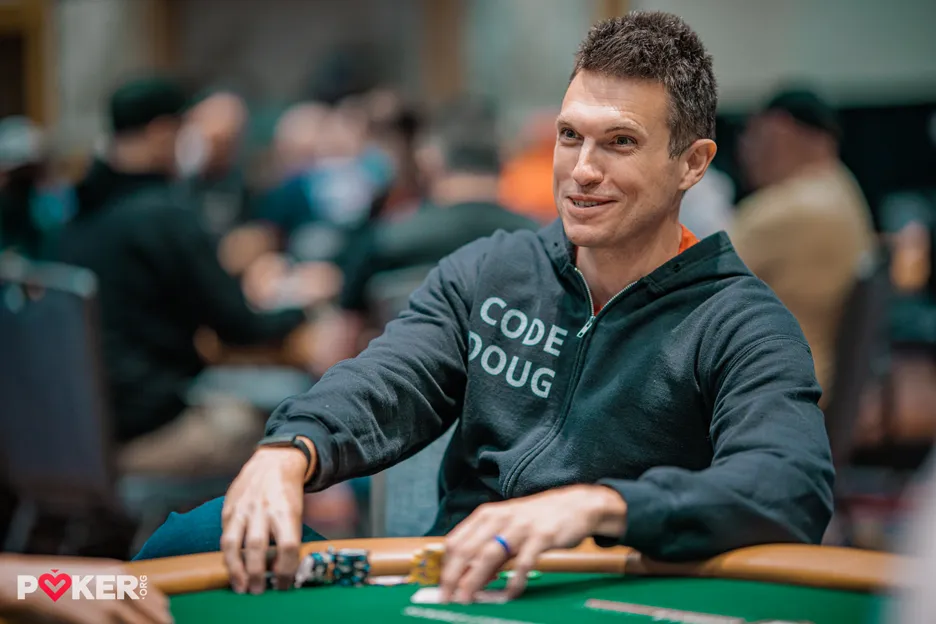
Doug Polk sounds off
Even Doug Polk got involved. He posted a video suggesting this was an angle on Kiki's part.
Kiki immediately defended himself, posting that Polk was just trying to get attention. Kiki said he and Feinstein are close, and this kind of thing happens between them all the time.
I want to address this from several angles. That way, perhaps we can better understand what was happening here.
It's important to remember this specific situation was in a game being played inside the PokerGO studio.
It would be different if we were discussing a tournament that I'm running or a lower-limit cash game. Those are two completely different scenarios.
When I’m running a tournament, the way the system works is that someone at the table, a dealer or a player, alerts me when they think there's something wrong.
I come in, I gather the evidence, and I make a decision. I'm kind of the jury and the judge here. I make a ruling, and that's it.
When you're inside the PokerGo studio, it's a little bit different. The players kind of manage and police themselves. The only real reason you need to call a floor person is if the players disagree with each other. At that point, they become more of an arbitrator than a judge, even though they're using the same rule book that I'm using when I make my decisions.
Honestly, what should have happened? Probably exactly what did: the players moved on, and no one raised an issue.
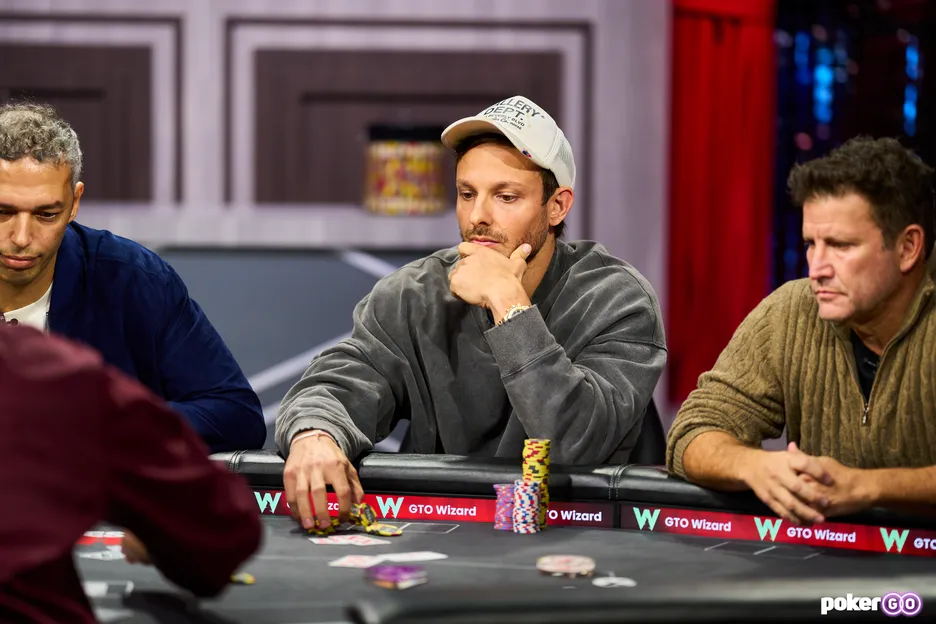





Monkey see, monkey do
Many people thought it was an angle from Kiki. Kiki said they're buddies, they do it all the time, and there's no big issue.
So who’s right: the critics or Kiki?
In my opinion, both. When someone’s climbing very tall buildings on a Netflix special, a little disclaimer pops up: ‘Do not try this at home.’ The same warning should pop up in the poker world.
Do you know why? Because players often mimic what they see on streams.
I think that’s when the pace of poker came to a halt. People started playing much more slowly when they saw three-, four-, and five-minute tanks on a live stream. The game slowed down overall.
That may be speculative. But what definitely happened is that unlit cigarettes appeared in people's mouths after the Farha versus Moneymaker heads-up battle. And I haven't been in a poker room in a year without hearing somebody say, ‘Not like that!’
People recreate what they see on the screen. If you're doing something that isn't really acceptable behavior in the poker room, people will emulate it.
The bottom line is this. If Kiki says that's the way they play and nobody seems to have a problem with it, I think he's right. If Doug Polk says, ‘Hey, please don't try this at home,’ I'm okay with that, too.
Final word
I realize that Kiki's arm was fully extended. But I’ve also seen a video of Alan Keating, who had chips in his hand while playing a tournament. The action was on him, and he reached forward to check with chips in his hand.
There was no doubt that he was checking. It was clear Keating was not shooting any angle. People do stuff like that all the time, and nobody says anything.
What you are technically allowed to do is come forward (to some degree) with chips and then say, "check".
The real lesson to learn here is this. When you're waiting on someone else to act, wait. Even if you have the nuts, wait until they have committed to an action. That way, they can't do anything based on what you're going to do.
Wait until the people in front of you have committed to an action before you act or react to whatever they did, or they might well decide to do something different.
Justin Hammer is the Live Events Director for PokerAtlas, online Tournament Director for the Texas-based poker app Hijack, and a Tournament Director for Thunder Valley Casino Resort. He also brings his expertise as a consultant and minority owner of Desert Bluffs Casino in Kennewick, Washington.
With years of experience across live, online, and casino operations, Justin has established himself as a trusted leader in the poker world.
For more info visit PokerAtlas.com, HijackPoker.com, and bluffs.poker. Follow Justin on X.


