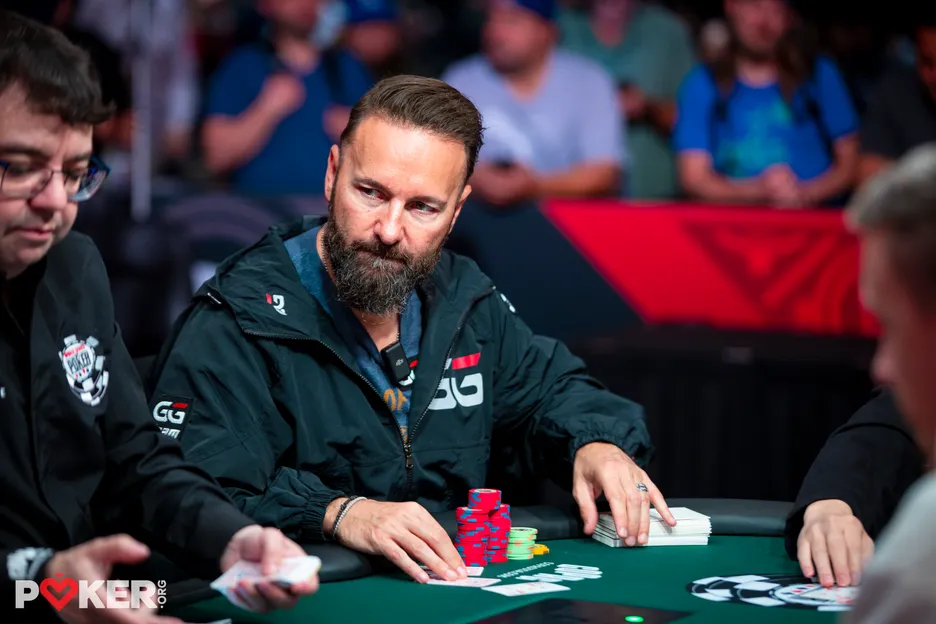


One of the big talking points from the 2025 World Series of Poker was stalling, and it's something that Daniel Negreanu has called a "black mark on the game."
Players like Martin Kabrhel and Will Kassouf played consistently slowly but, under current WSOP rules, it’s up to players to take action against them.
Players can call a clock and the dealer will then tell the floor whether the player has had a reasonable amount of time to act. If they have, a 30-second countdown takes place at the table. If a player has the clock called on them consistently, this countdown can be reduced.
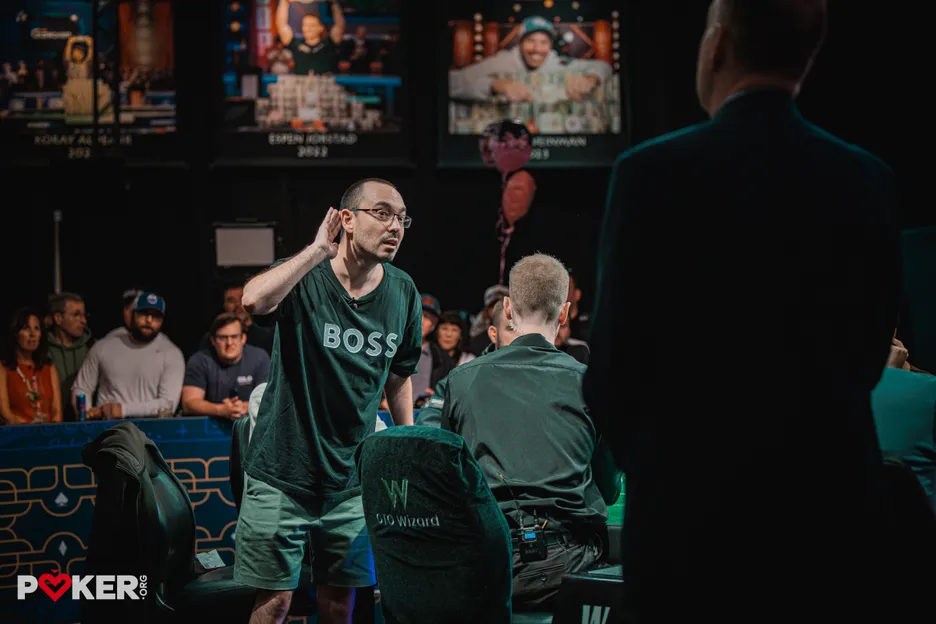
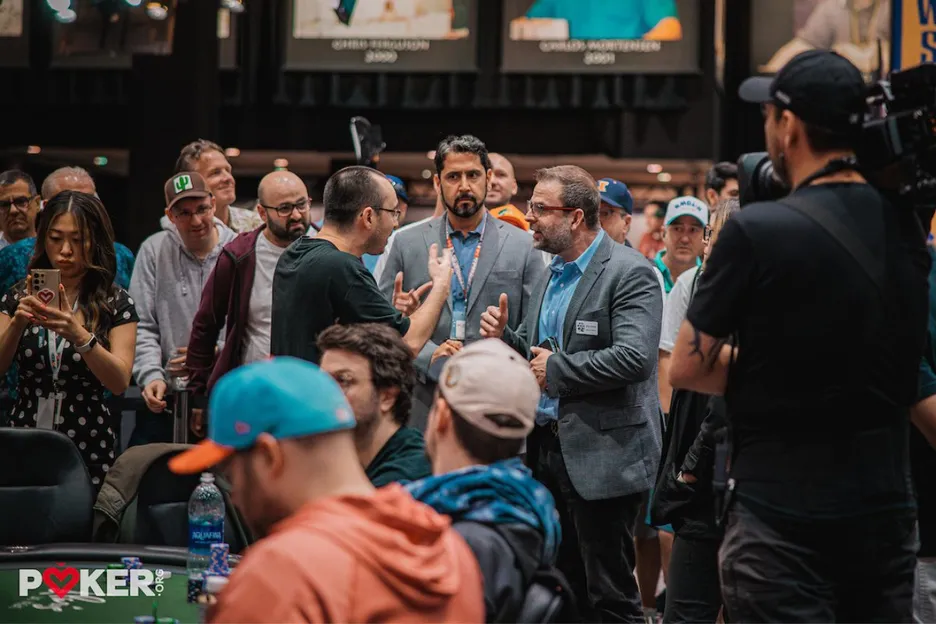
Kassouf was given the ultimate penalty after repeated infractions and given a 10-second verbal countdown for every decision. This led to the clock being called on him on almost every hand and ultimately to a verbal altercation that led to him being banned from the rest of the WSOP series after busting the Main Event.
Other players were criticized for stalling on pay jumps in the hope that another player who wasn't stalling would bust before them.
Negreanu looks to golf for inspiration
It's one of Daniel Negreanu's bugbears, and he called out both Kabrhel and Kassouf in his daily vlogs, along with Ike Haxton, who stalled for six minutes on a pay jump in the Main Event.
Negreanu is still pushing the issue post-WSOP and used a recent incident with golf star Bryson DeChambeau to keep the topic alive.
As per a Golf.com post on X, "Bryson DeChambeau’s pairing was put on the clock on the 17th hole today. After the round, he was asked if he had any ideas to speed up the pace of play in pro golf, and he did not hesitate with his answer."
DeChambeau suggested that pro golf should start timing entire rounds and said it hadn't been done because "people are too scared to be exposed."
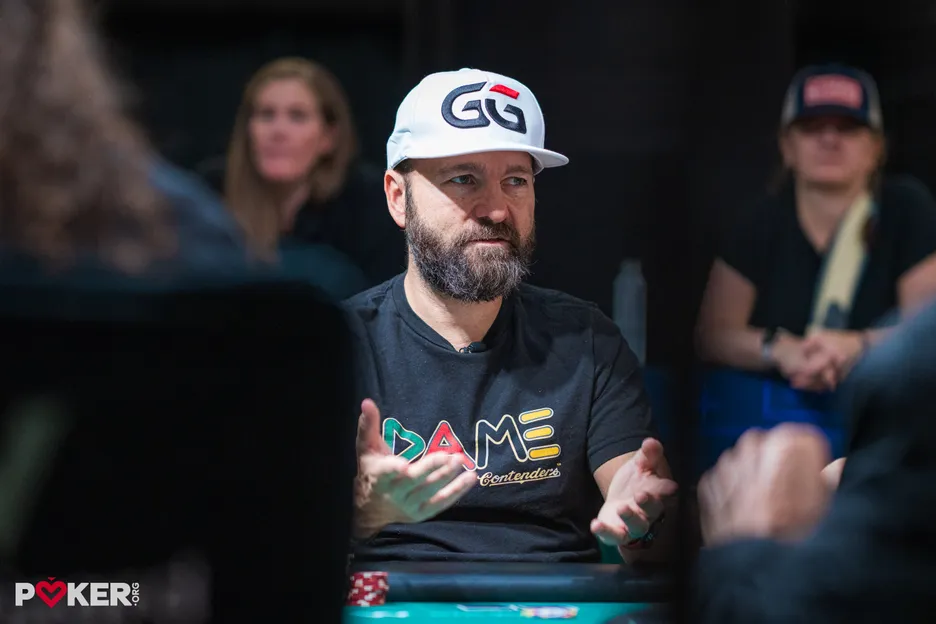
Negreanu said, "He could have been talking about poker. Every sport deals with time differently, but all sports (and poker) need to have fair rules for all. Using time to stall and suck equity away from others is a black mark on the game, and one day I hope chess clocks become a reality."





Chess clocks in poker – delay or increment?
Could chess clocks work in poker? The community is split on how this could work, with two main options: delay and increment.
Chess clocks that use a 'delay' system don't start counting down until the built-in delay is over. So, a chess clock with a five-second delay wouldn't start using the player's time for five seconds. It doesn't reward playing fast but penalizes playing slow.
The alternative is an 'increment' clock that adds time back to your clock after each move. For example, a 10-second increment clock would add five seconds to your clock if you acted after five seconds.
Negreanu favors a combination of the two — an increment-style clock that rewards fast play.
He said, "I think increments is better — when you fold, five seconds get added to your clock. And the clock doesn’t start running till the five-second mark. People are now incentivized to not waste any time because time is now a commodity."
Negreanu pointed out that if a table were to deliberately fold hands to gain time, that would constitute collusion — which is already against the rules.
He went on to say, "You always get five seconds. Then your clock starts. When you fold, you get five seconds added. An entire table 'colluding' to all fold and play no hands is just cheating and against the rules, whether there is a clock or not."
WPT, Triton, EPT, WSOP high rollers already using action clocks
Action clocks and time extension chips were used in high-roller events at the WSOP this summer and are used across all Triton Poker events.
The World Poker Tour (WPT) also uses action clocks that give you 15 seconds to act preflop and 30 seconds for every subsequent decision, along with a number of time extension chips for tough decisions. Meanwhile, the European Poker Tour has adopted shot clocks for many tournaments, among other measures to combat stalling, and may roll them out in even more tournaments in future.
Why hasn't the WSOP followed suit across the board? After this summer, we think there's a very good chance that some form of action clock will be introduced.
One issue is that it will involve even more training for dealers. The WSOP drafts in a huge number each summer and training is always a problem, with players complaining about poor standards. Adding more responsibility to their role will make the training even more time-consuming.
However, something needs to be done. Poker is too slow, and it can grind to a halt around pay jumps and bubbles. The Kassouf saga this summer made one thing very clear: the responsibility for enforcing pace of play shouldn’t fall on the players alone.
What's needed are clear and consistent rules that treat all players the same. We think some form of action clock at the WSOP would be a very welcome addition in 2026.


