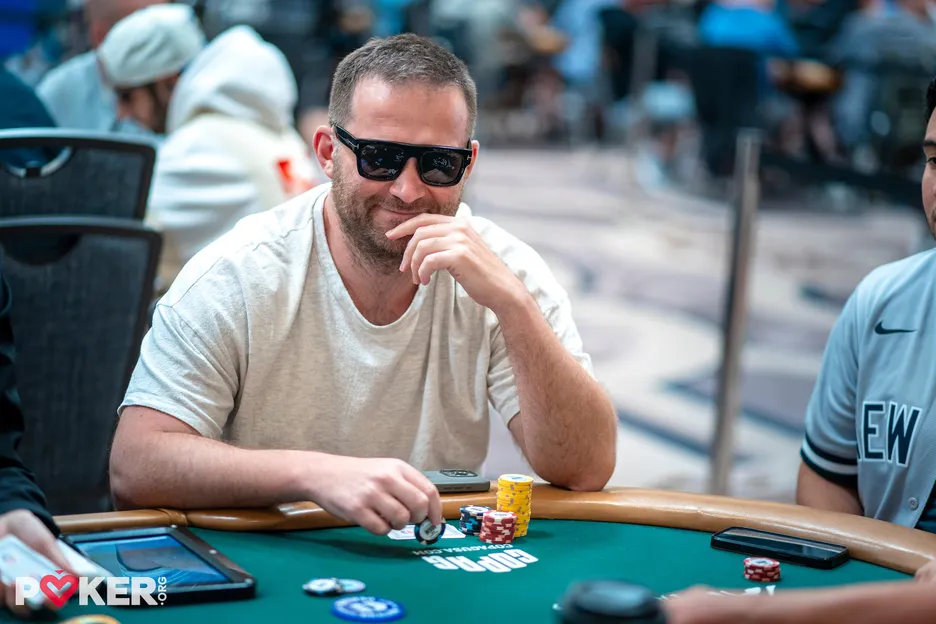


Eugene Katchalov has live tournament earnings of close to $10M, having collected numerous wins on the European Poker Tour, the PokerStars Caribbean Adventure, the World Poker Tour and the World Series of Poker, among others.
It’s been a few months since my last PokerOrg column, when I looked forward to the upcoming World Series of Poker (WSOP). As I said at the time, it’s a very special series, but even so I think I ended up enjoying the 2025 WSOP even more than I thought I would. Having not played that much over the past seven years or so, I was surprised at how great it felt to be back.
Why? Hard to say — it’s the same games, the same series, and even many of the same people. Perhaps I’m the variable here? I’m not the same person I was seven years ago (who is?), and I feel the time I took off from playing full-time has been really good for me.
I find myself being much less emotional when it comes to bad beats and bad luck. Maybe it’s me getting a little wiser as I get older, but it’s now easier to not react so much to the luck portion of the game.
In some sense I attribute this to some of the meditation that I was doing, the silent retreats, the psychedelic experiences that I've had. It’s been a spiritual journey that's made me much calmer as a person, and had a very beneficial, positive impact on my life.
And hopefully a positive effect on my results. I cashed a few times at the WSOP, but while I was in Las Vegas I also played the Wynn Summer Classic and made the final table for $250K. Then I went out to Florida and ran deep in a couple of events at the Seminole Hard Rock Poker Open, before heading over to EPT Barcelona and having another couple of really deep runs there.
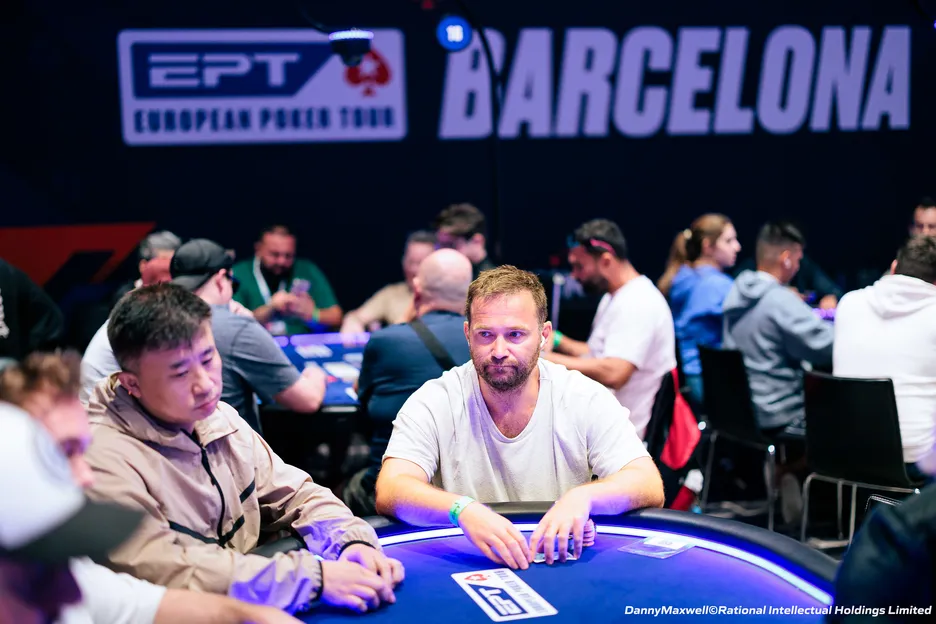
There are things that I'm still rusty on, of course, and I was probably still making quite a few mistakes that I shouldn't be. But I wasn't too hard on myself, simply because I know that it'll take me a little while to shake the rust off. I'm okay with making mistakes, as long as I'm not repeating them.
And speaking of mistakes, there’s one thing that really stood out to me this summer — a leak that I think a lot of players have, but which can be addressed if they’re willing to put in the work: How poorly online players adapt to offline play.
Online and live are different animals
I’ve noticed that a lot of online players, including professionals, simply don’t make the necessary adjustments to succeed in the live game.
It’s understandable that a player with a lot of online experience would look to use that in a live game, but in reality they are different beasts, and if you’re not adapting to the specifics of offline play then you’re leaving chips on the table.
For one thing, there's so much more information available playing live, that you can use to make better decisions. There are also way more recreational players, using very different techniques, very different styles, and many online pros don't really adjust very well to them.
People lock in and autopilot can take over. It makes sense if you’re multi-tabling online all the time, when the only adjustments you’ll make might be based on player notes or population tendencies. When you're playing that many tables at the same time, there's really very little adjustment that you can make on the fly, because you don't have much time and have other tables to focus on.
When you're playing live, however, you're focused on one table at a time, and have much more time for your decisions. And then you also have all this time, between hands, to observe your opponents, to see what they're doing, and to come up with different strategies. But so many people are just sitting on their phones and waiting for the next hand.
This is where a lot of edge can be gained, and honestly, it’s what I attribute a lot of my success over the summer to. Even though I'm rusty on a lot of stuff, such as GTO (game theory optimal) play, because of my attentiveness to all these other factors I was able to accumulate a lot of chips with little risk, and go deep in a lot of events.
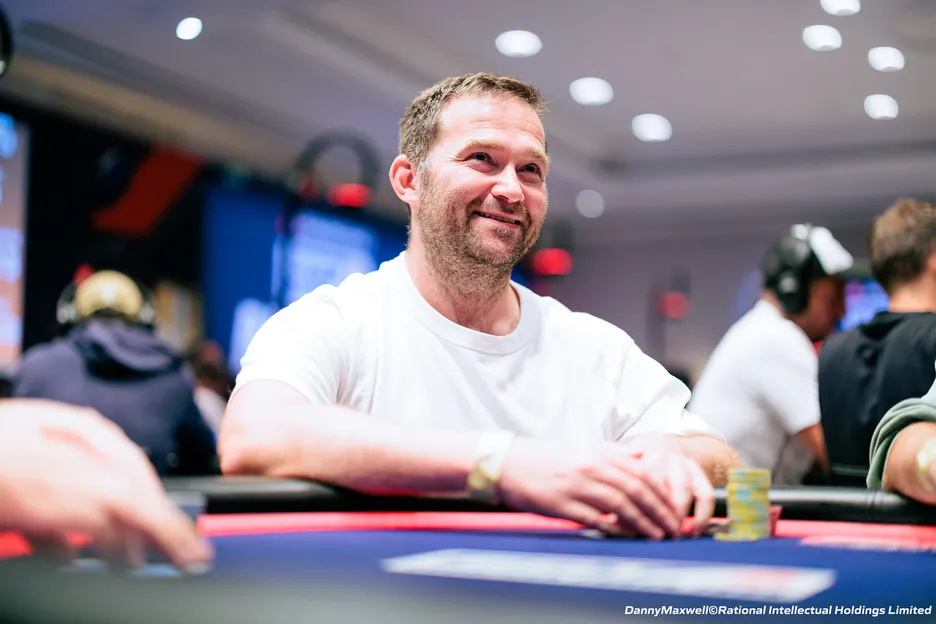
I get it — people get bored, but it was not like that at all for me. I was just having so much fun, even when I wasn't in the hand, just observing people, trying to find reads. I was able to find physical tells on certain people, which was never a specialty of mine, but I was even able to successfully go there. So I just found myself looking for more and more variables that I could then use against those opponents. And that was great; that's what made me love poker in the first place.







An example of exploitative play
What does this look like in practice? Let’s look at a hand I played over the summer.
With pocket jacks, I raised from middle position and it folded round to the big blind, who called. The flop brought a very wet, dangerous board: 

 .
.
I bet, he called, and I was pretty sure I was good.
Why? Because I’d been paying attention.
I’d noticed that this particular player would act at very different speeds depending on the strength of his hand. When he had an easy decision he would act quickly, but much slower when he had a tougher decision to make. In this case he called me quickly, without seeming to even consider a raise.
Based on his speed, I didn't think he had a 10, and that's a read that's really important for me to make, because then let's say the turn is an offsuit queen, or an offsuit 5, it allows me to decide whether I should go for multiple barrels, or if I should take one free card off and do some pot control. That kind of read is very, very helpful, because then I can more comfortably pick a bet size and decide how I want to play my hand.
It’s not the hardest tell to pick up, but it could be if you’re buried in your phone any time you’re not in a hand.
It’s easier when you’re enjoying the game
I'm certainly not a GTO player, because I never actually studied GTO, but I’ve played against a lot of players who are. And when I come up against those players — or in fact anyone who I think is a strong player — I make a point to intensely study what they do. I enjoy the process of trying to understand why they make certain moves, why they choose the bet sizes they do, and every action they make.
It would make me a better player to study GTO, but my real strengths lie elsewhere — in perception, reading the live game, studying people and coming up with exploits to get their chips. So if I think I have a pretty good feel for some aspects of GTO play, it’s largely because, while I haven’t studied it specifically, I’ve studied players who do.
What we mustn’t forget when playing live, is that while an understanding of GTO is always going to be helpful, there are many more factors on top of that which you can use to become a more profitable player.
How do you figure out how to exploit an opponent in a live game? It’s something that’s much easier to do when you’re having fun and being present in the moment, but it boils down to just two words: Pay attention.
Follow Eugene on X and Instagram
Additional images courtesy of Danny Maxwell/Rational Intellectual Holdings Ltd.


