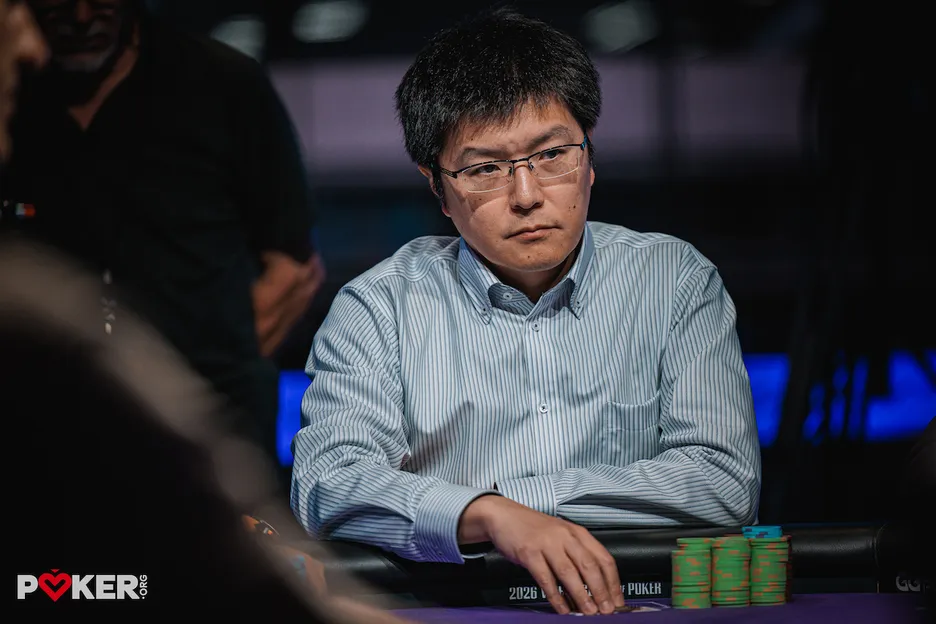


Japan's presence at the World Series of Poker has been steadily growing in recent years, with at least one bracelet going their way every year since 2020, with 2026 marking the nation’s most successful summer in Las Vegas yet.
Naoya Kihara’s two bracelets and pursuit of the WSOP Player of the Year title have led the way, but bracelets for Koji Fujimoto in $10K 2-7 Triple Draw and Daisuke Ogita’s $1K Mini Main Event triumph have added to Japan’s best results since three bracelets were won in 2023.
2026 Japanese bracelet winners
- Naoya Kihara - $10K 7 Card Stud
- Naoya Kihara - $10K NL 2-7 Single Draw
- Koji Fujimoto - $10K 2-7 Triple Draw
- Daisuke Ogita - $1K Mini Main Event
We spoke to Japan’s most influential poker player, Masato Yokosawa, the GPI award-winning streamer and vlogger with with more than one million YouTube subscribers, about the growth of poker in his home nation.
“I think we Japanese love to study poker a lot, and the poker population [has gone up] in the last 10 years. So now we have roughly 4.5 million poker players in Japan, and most of them study a lot. So, I think more Japanese players are coming to WSOP and will get more bracelets, and I think we cannot stop it.”
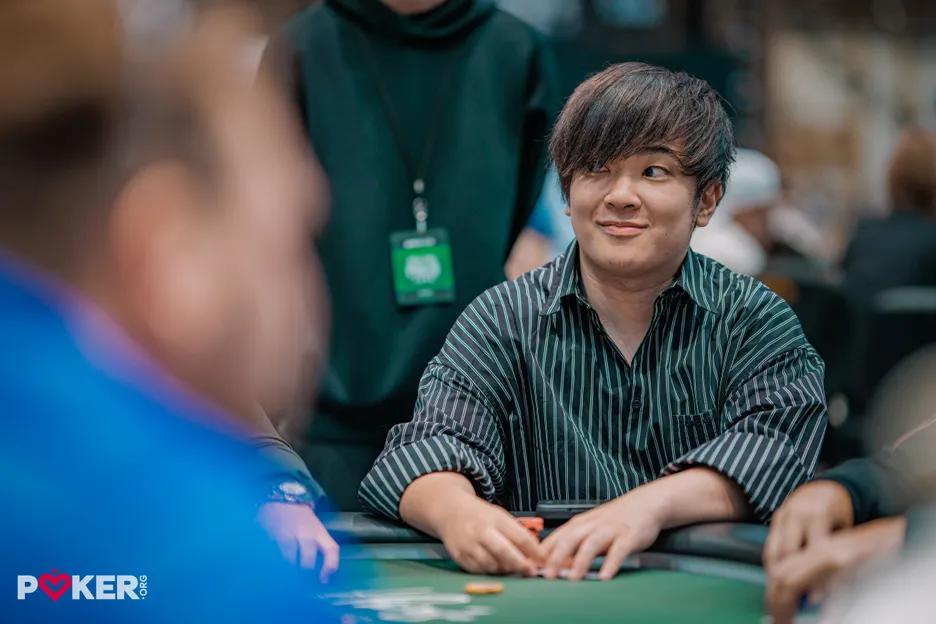









Soon to be 5% of the Main Event field?
This year’s WSOP Main Event alone drew over 300 Japanese players, with six advancing into Day 6 of the Main Event, including Yokosawa, in his second deep Main Event run after a 45th-place finish in 2023.
He believes that the number of Japanese players in the Main Event could continue to grow exponentially in the coming years.
“Next year, maybe 400 or 500. So, I would say every year we will get a 20% increase or something like that. Maybe Japan is going to become the second biggest country in the Main Event.”


Kihara’s influence
In terms of WSOP success, no one is more decorated than Kihara with three bracelets, after winning two this summer. With two each, Shiina Okamoto and Ryutaro Suzuki are the only other Japanese players with more than one bracelet.
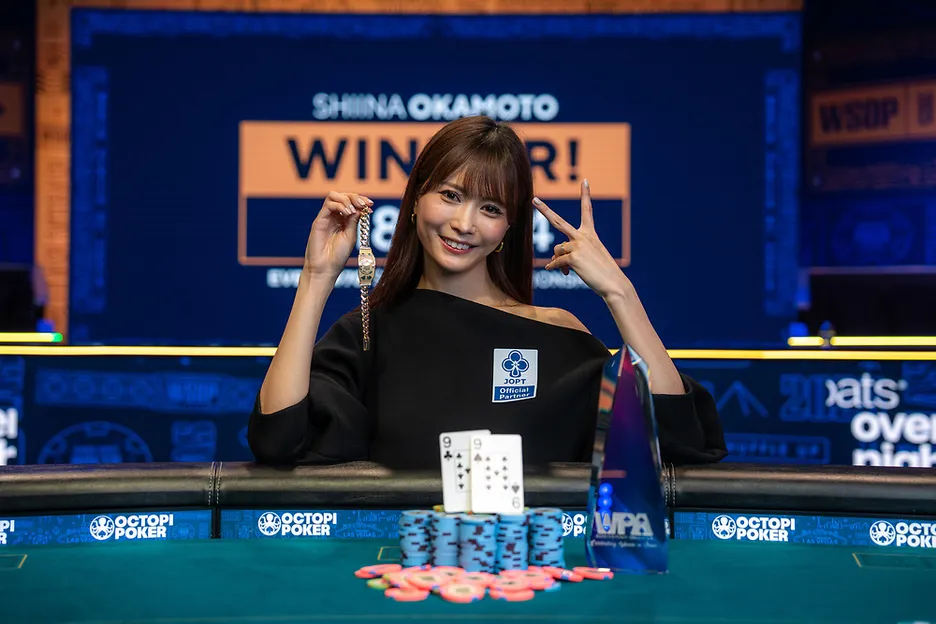
Japan’s 16 WSOP bracelets
- 3 - Naoya Kihara – 2026 (x2), 2012
- 2 - Ryutaro Suzuki – 2025, 2023
- 2 - Shiina Okamoto – 2025, 2024
- Koji Fujimoto – 2026
- Daisuke Ogita – 2026
- Masashi Oya – 2023
- Satoshi Tanaka - 2023
- Shota Nakanishi – 2022
- Kazuki Ikeuchi – 2021
- Motoyoshi Okamura – 2021
- Ishikawa Shoma – 2020
- Takahiro Nakai – 2015
Kihara was also the first player from Japan to win a bracelet in 2012, when he won the $5,000 6-Max Pot-Limit Omaha event.
Kihara’s 2026 performance has returned his name to the forefront, especially in mixed games, an area many Japanese players are turning to. As with Kihara’s three, both of Suzuki’s bracelets are in non-Hold ‘em events.
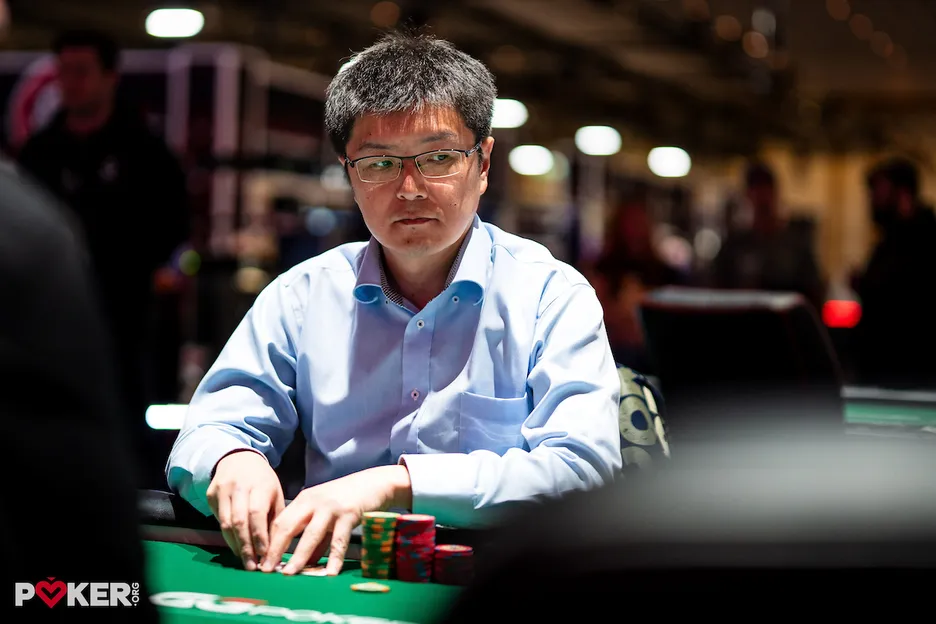
His influence on many poker players in Japan is undeniable, including Yokosawa, who thinks of him as one of the pioneers of the game there.
“When I started to play poker, he was already kind of like poker famous in Japan. He already had a bracelet. So, he's one of the legendary poker players in Japan, and I respect him a lot.”
Kihara, though, credits Yokosawa and his audience for growing the Japanese poker boom.
“It’s got to be Masato," said Kihara. “Now it’s Masato’s turn, and I can just focus on my playing.”
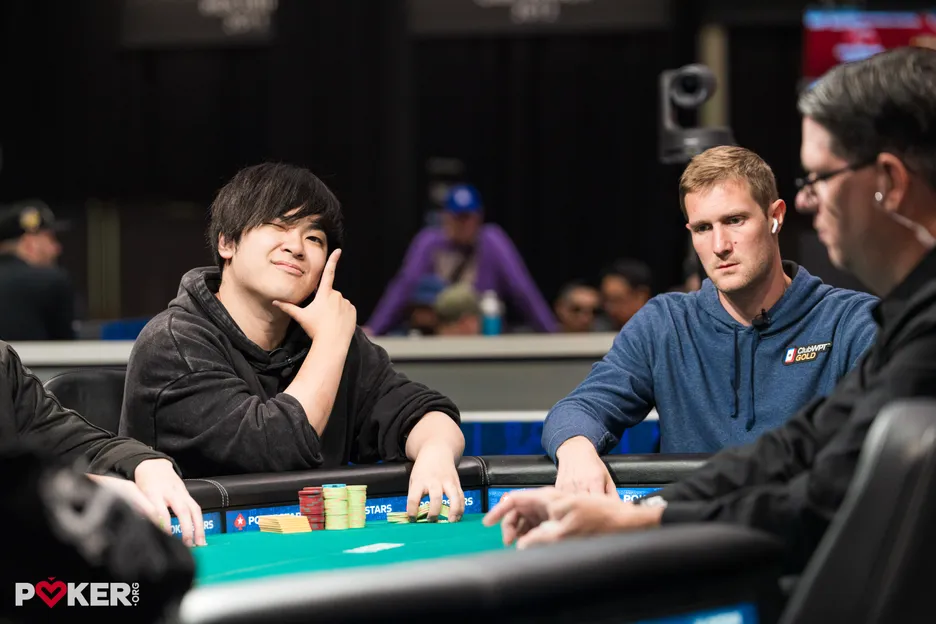
Kihara has certainly been focused on playing with his POY push, and while humble about the level of influence that his success this year would have on the Japanese poker community, he would be thrilled if it could have a bit of impact back home.
“I hope that a lot of Japanese poker players are watching me here. No Japanese player has done it before. If I did it, Japanese people might think, ‘I also might try.’ This is the thing I can do for the Japanese poker community.”