

How many WSOP bracelets per year are too many?
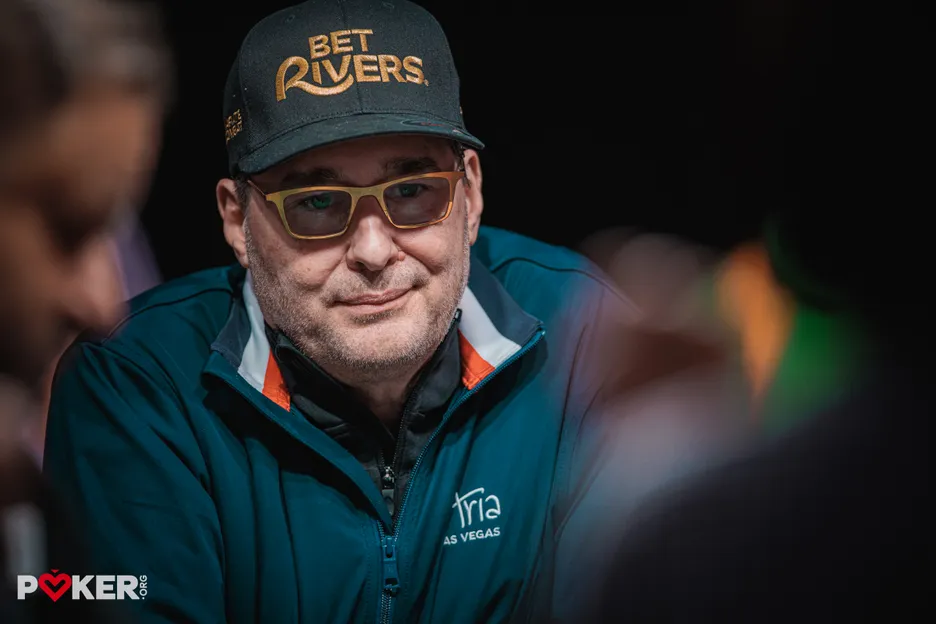
The answer to this depends on who you ask, but one player who has a very strong opinion is Phil Hellmuth — the player who has won, by far, the most.
He’s long been an advocate for not cheapening the bracelet, and, on the No Gamble, No Future livestream on Thursday evening, Hellmuth claimed a plan was being hatched to limit the number of bracelets awarded to 100 per year.
That would see just 50 handed out at the summer WSOP in Las Vegas.
'Negreanu told me he's supporting it'
Standing and reading from his phone for dramatic effect, Hellmuth said, “Ready? This is what we’re thinking. The WSOP has had way too many bracelets out there – Daniel Negreanu agrees with me, although he’ll probably scramble to tweet and say he doesn’t.
"And I’ve spoken with Michael Kim (GGPoker’s owner) about this. We want to do 100 bracelets a year. Not 10,000 bracelets a year – 300 bracelets, whatever it is.”
“50 in Vegas, 10 in Paradise, 10 in Europe, 10 in Asia, and 20 online. We want to do 100 bracelets a year. I think it’s ridiculous that there are all these bracelets. If you keep giving out 300 bracelets a year, you’re cheapening the bracelets horrendously.
“I’m supporting this initiative. I believe Negreanu will see this and go crazy. He told me he’s supporting it. A lot of us think the World Series is not worth what it used to be. And if you give away 300 bracelets a year, it’s going to be worth nothing eventually.”
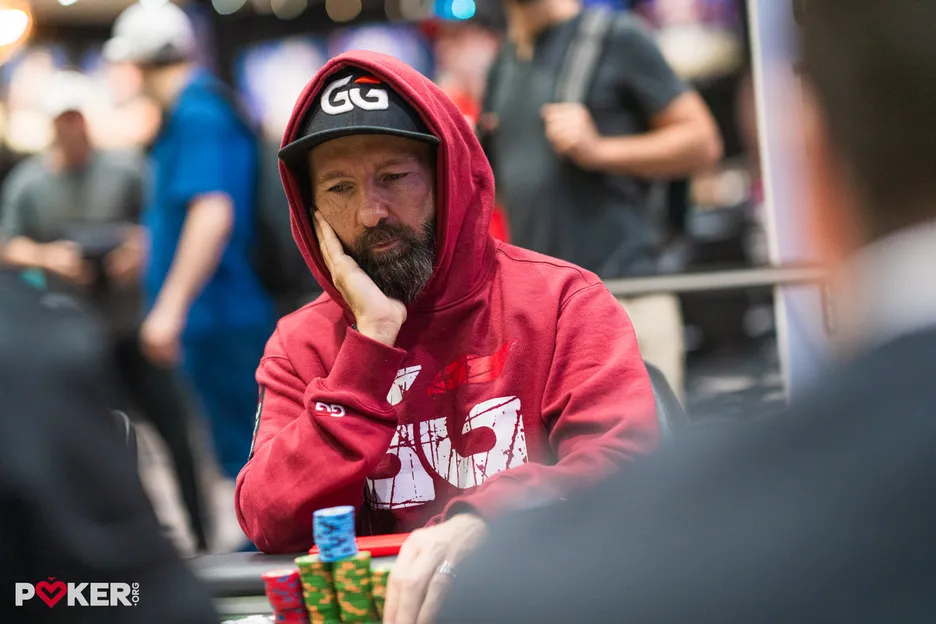
“Does that mean Player of the Year will be more important?” Shaun Deeb asked.
“Probably,” Hellmuth replied.
Deeb went on to say that he hated the idea, while Jennifer Tilly said, “The World Series of Poker will never agree to that, as it’s a huge money maker. Everyone wants a bracelet.”
“But I just said, the guy who bought the World Series likes the idea,” Hellmuth replied.
“Oh, he did, did he?” said Tilly.
“He paid $450 million. The assets are in decline, Jennifer,” Hellmuth said.








Hellmuth fights to protect his bracelet legacy
It’s not surprising to see Hellmuth step up here.
He has won 17 WSOP bracelets, more than anyone else in poker history, and six more than Phil Ivey in second. Bracelets are his legacy, and the more bracelets that are awarded, the more chance someone will have of beating his record. We’re sure that if the WSOP decided to award just one bracelet a year, Hellmuth would be all for it.
But there is a valid debate around the perfect number.
While money might be the main reason people play poker, the WSOP bracelet remains the most coveted non-cash prize in the game.
The first one was awarded at the WSOP in 1976 – before this, players were given cups or plates. There were eight events in 1976, with Howard Andrew winning the first (and the second!), and Doyle Brunson winning the Main Event.
Some people have complained about low buy-in events (sub-$1,000) cheapening the bracelet, but the lowest-ever buy-in for a bracelet event was the $100 Women’s 7-Card Stud event in 1977, won by Jackie McDaniel.
By 1993, the number of bracelets awarded had been increased to 21. In 2007, Thomas Bihl won the first WSOP bracelet awarded outside of Las Vegas, in the £2,500 HORSE event at the inaugural WSOP Europe.

WSOP bracelets go online
In 2015, Anthony Spinella won the first online bracelet, to go with the 78 live bracelets that were won.
In 2019, the total number of bracelets awarded hit three figures for the first time, with 97 live and nine online. That number dipped in 2020 because of COVID but almost doubled in 2021.
Fast forward to 2024, and a total of 245 bracelets were awarded – 130 of them live at the WSOP (99), WSOP Europe (15) and WSOP Paradise (15), with the final one coming in the Tournament of Champions. 115 bracelets were awarded online, across GGPoker and WSOP.com, with some only open for players in specific North American territories.
Would the WSOP slash this number dramatically?
Like Tilly, we doubt the WSOP would ever reduce the total to 100. Cutting Vegas bracelets to 50 would have halved 2025's planned schedule, and the allure of winning a bracelet is what draws many players. Remove that, and numbers for non-bracelet events could plummet.
We also doubt Hellmuth would be the one to break the news if there were any real chance of it happening.
Could the WSOP introduce a two-tier system — one that preserves the prestige of the bracelet while introducing something new for players to chase? If Hellmuth is right, it's an idea the WSOP is at least considering.


