


Nour Sever is a Slovenian physicist turned cash-game poker player, working her way through the stakes.
Online poker has a truth winning players understand but rarely say (not out of dishonesty, but out of tact): every winrate graph, coaching biz, and high-stakes reg tweeting solver screenshots is subsidized by someone who clicked 'deposit' after work, hoping today’s their lucky day.
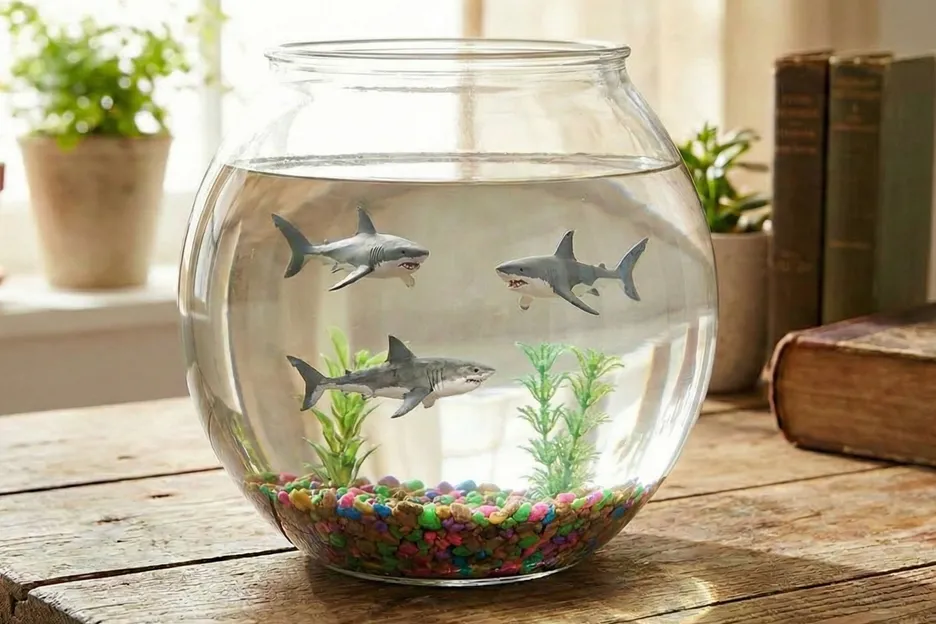
Yet somehow, in public, we pretend we’re all brave warriors fighting a noble battle: no table selection, no hunting, no circling a bad player (fish) like a pack of starving pros quietly counting how much each mistake is worth. It’s not always skill vs. skill; it’s an ecosystem.
This article isn’t about morality, it’s about reality. The online poker world is built and protected around the only group the industry truly cares about: the losing player.

How a fish changes everything
It’s accurate to say that making money in poker has less to do with outsmarting the best players and more to do with exploiting the worst ones. Any serious grinder naturally hunts for the softest possible games — bigger edge, bigger profit. Most days, having just one genuine disaster of a player at the table can be the difference between booking a win and giving it away.
The end goal for poker pros, if we’re being honest, is to make money. Consistently. That usually means cutting losses and avoiding unnecessary expenses. One of those expenses, the necessary evil we all pretend not to hate, is rake.
This is exactly why bad players are so valuable: they let you extract the most value in the least amount of time, especially in cash games. Your profit isn’t the same if you stack someone in 10 hands versus 100. The more 'resilient' the opponent, the more rake you bleed and the more hours it burns.

An interesting phenomenon with fish is how they change the action dynamic at the table. They enter pots with absurdly wide ranges, which automatically gives any tighter player a statistical advantage. Even the nittiest regs suddenly discover 'creativity' and widen their ranges to squeeze every possible dollar from them.
A 'reg vs. reg' table with tight ranges can be a cold war for small pots: everyone staring, nobody shooting. Add one loose player, and suddenly everyone gets involved. Pots get bigger, action increases and money actually moves.








The great pretense: Sharks pretend they don't hunt
We constantly hear winning players brag about their genius, sportsmanship, and ability to play 'anyone'. And win. Reality couldn’t be further from that. Some opponents are ridiculously easy to exploit, and some are painfully tough.
Even players with average skill and basic awareness table-select in cash games. Everyone hunts positional edges against the clueless fish. The moral high ground is empty because everyone’s too busy clicking 'sit here' on the softest seat available. (Anyone arguing against it has one of two motives: protecting their ego or their coaching course revenue).
Admitting you depend on fish feels like admitting you’re not the genius you tell yourself you are. Even the hardcore solver monsters — the ones who seem to have a solution for every spot — are at best break-even when they’re battling equally tough opponents.
Sharks pretend they don’t hunt because the truth is terrible PR in a game that’s already inherently predatory. Publicly targeting weaker players makes you look like a bully, an unethical pro, a beginner-crusher. Not exactly the image you want when you’re chasing sponsorships or trying to appear noble, fearless, and willing to 'play anyone.' In fact, the real edge in online cash games is quite simple: studying the lobby. Table selection.
From a pro perspective, you’re there to earn, like any other job and your hourly isn’t determined purely by your brilliance, but just as much by the skill level of the people sitting around you. Surround yourself with killers, you break even. Surround yourself with chaos, you print.
And for many, poker isn’t only about profit. It’s about the thrill of outmaneuvering friends, foes, and fate itself. Not everyone plays to win money and sometimes it’s the lessons that matter: patience, risk, people skills, resilience. Lose your stack? Fine. The game rewards cleverness and the rare thrill of outsmarting life.
The invisible walls: Fish have to stay alive
Every poker platform is quietly in the business of keeping losing players entertained, hopeful, and liquid. Fish create action and inflate pots, and the longer they survive, the more rake they pump into the system.
Sites know this, and design everything around dopamine and hope. High rake at the low stakes feels harmless ('just a few cents'), while gamified rakeback in the form of treasure chests, fish buffets, mystery prizes, and random bonuses reward the loose-passive, casino-style players who reload nonstop. In tournaments mystery bounties let anyone bink $100K while playing trash.
Algorithms quietly protect fish: smart seat scripts prevent bumhunting, randomize seating, remove waiting lists, hide table stats, and use anonymous tables.
Fast turbos, unlimited re-entries, casino crossover promos, gamified nonsense, and emotional pain-reducers like insurance or run-it-multiple-times keep fish alive far longer than nature intended, while hand reveals ('Ahh I KNEW IT!') boost confidence. The result: losing feels less like losing and more like 'almost winning.' Rake even increases in spots where regs print too easily. The system isn’t broken. It’s brilliant, and we’re the product.
Poker sites are experts at selling one thing: the chance to be lucky today. That’s the appeal: anyone can hit big… once. Maybe few times. Have a good streak. But statistically, luck and bad luck even out, and over time, long-term losses are inevitable for most players.
It’s also worth remembering that every winning player began as a losing one. Today, however, aspiring players have access to educational resources like coaching, training platforms, solvers, and hand analysis tools, making improvement more achievable than ever. From that perspective, protecting game health while offering clear paths to skill development ultimately benefits the entire poker economy.
It's ironic how those measures limit good players short term, but without them the games would die faster. A sustainable poker ecosystem depends on casual players enjoying the games long enough to keep playing; without them liquidity dries up. Regs stay, but recreational players don't, so the entire ecosystem is built around protecting the people who leave quickly.
The day bad players stop showing up is the day poker stops being a profession. Until then, let's drop the act: we are all feeding from the same ecosystem, and we all know who fuels it.
For unfiltered poker takes and life updates, follow Nour Sever on X, Instagram, YouTube and Twitch.


