

In part one of our series, we explored how crypto has moved from the fringe to the mainstream and how poker players have always been early adopters in this space.
Crypto poker sites like SwC Poker have been around since 2011. Today, Phenom Poker and CoinPoker are pushing the boundaries of online poker with faster payouts, borderless play, and greater transparency.
But while crypto is becoming more mainstream, it still presents a considerable barrier for many players.
In this piece, we’re going to break down the tech behind it.
How do you buy crypto?
The easiest way to buy crypto is to sign up for an account on an established exchange such as Coinbase or Crypto.com, verify your identity, and then deposit using a debit/credit card or bank transfer. Then you can buy any of the cryptos that are supported by that exchange.
When you buy your crypto, it will be stored in a wallet on that exchange.





What is a crypto wallet?
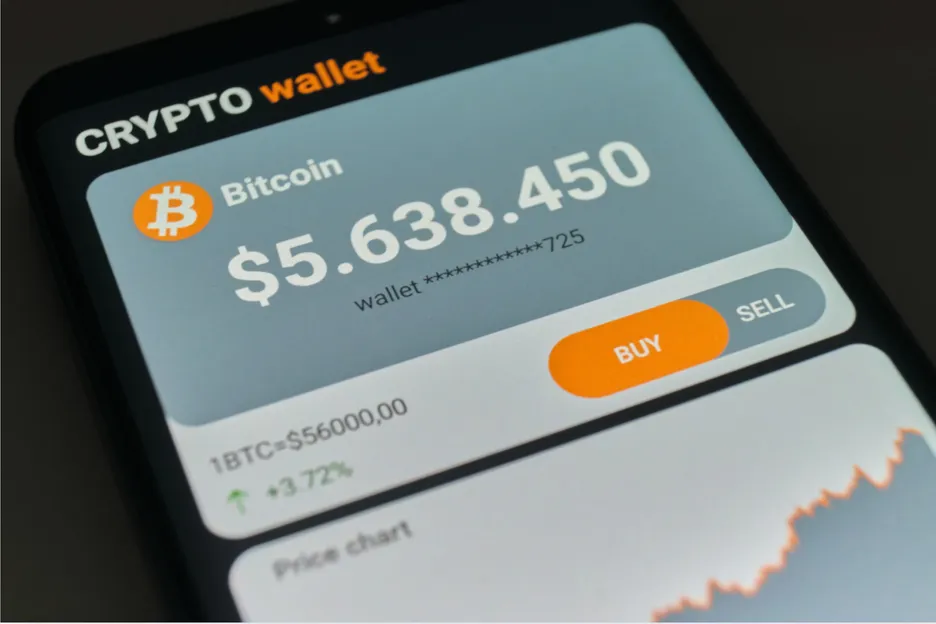
A wallet is where you store your crypto – think of it like online banking for your bitcoin, ethereum, or whatever crypto you want to access.
The wallet itself doesn’t store the coins or tokens. Instead, it provides access to your assets on the blockchain using a special key, effectively a PIN that gives you access to your crypto reserves, along with the ability to send funds to other wallets.
There are two main types of crypto wallets:
Custodial wallets
This is where a company, usually an exchange like Coinbase or Crypto.com, holds the keys for you. You access your wallet by logging into the exchange, where you can transfer funds to other wallets or platforms.
The advantage of a custodial wallet is that it’s a lot easier to hold and manage multiple crypto assets in one place, with one log-in.
The disadvantage is that you don’t control your own crypto – leading to the commonly used phrase, “Not your keys, not your crypto.”
If the exchange goes bankrupt, you could lose access to your crypto. If the exchange is hacked, you could lose your assets.
Non-custodial wallets
This is where you directly control your own crypto assets, accessing your funds through a seed phrase. Common seed phrases are 12 or 24 words long and are just a sequence of words that you can use to access your wallet if you ever lose access to it.
One of the most common is MetaMask, which can run as a Chrome extension. Once installed, you can access it using a standard password.
If you lose access to it or want to use it on a different device, you can re-install via the seed phrase.
If you lose your seed phrase or someone else has access to it, you could lose all your assets.
MetaMask is what’s known as a hot wallet: it stays connected to the internet for easy access, but that also makes it more vulnerable to hacking.
A cold wallet stores your private keys offline and is accessed via a USB device or similar hardware. This makes it much more secure, as no transactions can be made without physical approval on the device.
One of the most popular examples is the Ledger. If you lose your Ledger, you can buy another and access your old wallet with – you guessed it – a seed phrase.
When you first use your Ledger, it will ask you to record your seed phrase in a safe place where it can’t be accessed by anyone else. If you lose it, there’s no way back in if you lose your device.
How do you transfer crypto to a poker site?
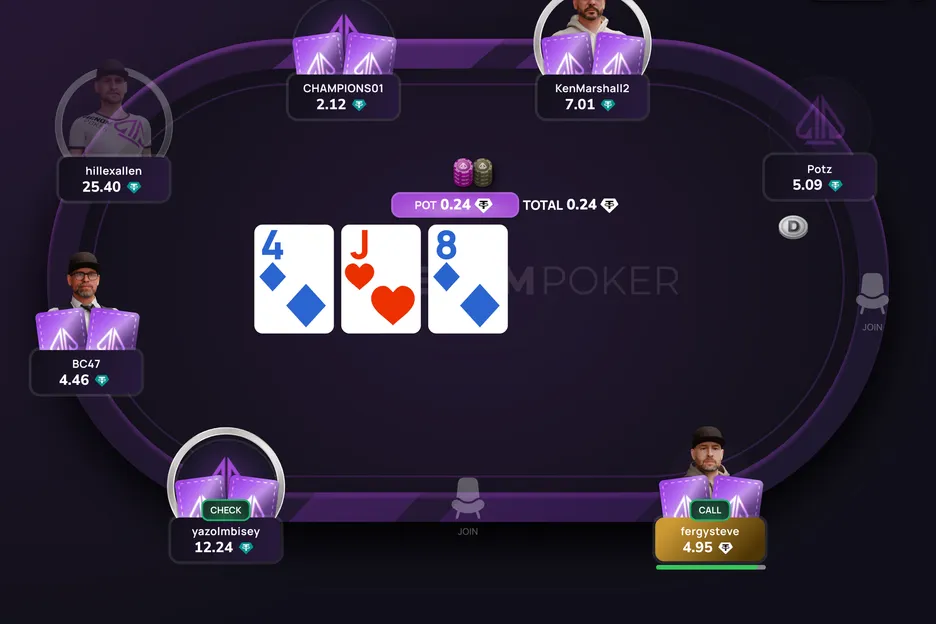
With a site like Phenom Poker, it’s quick and easy, and one of the big advantages is that you retain control of your funds.
You can transfer using a number of different cryptos, such as Bitcoin, Ethereum, or Solana, for a small fee, or USDT via the Polygon network for free.
You generate an address within Phenom and use your external wallet to transfer your funds, which will arrive almost instantly on a lot of networks.
Your funds remain in your control at all times, except when you enter a game. Then they’re temporarily held in self-executing smart contracts.
A smart contract is a piece of code that runs on a blockchain and executes automatically when certain conditions are met. No human involvement is required, and that brings a new level of trust to online poker.
You can verify this transaction on a block explorer like PolygonScan.
Once you’ve finished playing, your funds move back from the smart contract to your wallet.
How crypto tokens work on poker sites
Not all crypto is created equal.
Most crypto tokens are publicly traded, like Bitcoin. It’s speculative (and volatile), and you can buy or sell it on public exchanges, like any other asset.
CoinPoker’s token (CHP) is publicly tradable.
Phenom Poker’s token works differently. You can’t buy it – instead, you earn it by playing. It works like a form of rakeback, and it gives you ‘ownership’ of the site. If the site grows, the value of your tokens will grow.
You can sell the Phenom tokens back to the site whenever you want, at the current price listed, but you can’t trade them on a public exchange. Find out more about the Phenom token in our explainer feature.

What does all of this mean to you?
Why should you jump through these crypto hoops? There are pros and cons, but if you like the idea of power being held in the hands of the players, crypto poker sites offer some unique advantages over traditional FIAT-based sites.
Pros of crypto poker
- Fast withdrawals: You don’t need to wait for a bank transfer. Withdrawals should be as quick as the blockchain you’re using, and many networks deliver instant transactions or settle within minutes.
- Global access: If you’re in a restricted or gray-market territory, you can still play.
- Control: In some cases you hold your own funds, and you don’t have to worry about the site confiscating them or going bankrupt.
- Transparency: You can verify your own funds and more on the blockchain.
Cons of crypto poker
- Complicated: Crypto adds a new layer of complexity, and if you make a mistake, your funds could be gone for good.
- Volatility: Crypto can be volatile, unless you hold your funds in stablecoins (coins that maintain a steady price by being pegged to something stable in the real world, such as the US dollar).
- Regulation: There is less regulation than traditional poker sites.
In part 3 of our series, we’ll explore the real-world benefits of crypto poker today and where the technology could be headed next.


