


A provision in the Trump administration's One Big Beautiful Bill is dealing out big changes to United States tax law, especially for gamblers. And depending on who you ask, there could be a destructive ripple effect ahead for the professional poker industry.
The new tax laws would adjust a taxpayer's ability to deduct 100% of their gambling losses, limiting it at 90%. Losses still include expenses, but the extra 10% will be taxed.
For example, if a player wins $1,000,000 in 2026 and incurs $1,000,000 in buy-ins and expenses, they would only be able to deduct 90% of those expenses. That leaves $100,000 treated as taxable income, even though they broke even.
Now, the industry and its lobby are pushing back in an effort to repeal the changes before the 2026 tax year starts to tick. Proponents within poker have circulated a petition, and lawmakers are pressing their luck on Capitol Hill. Nevada Rep. Dina Titus introduced the FAIR BET Act to restore the deduction to 100%, and lobbyists and casino operators have met with the House's Ways and Means Committee's Chair, Jason Smith, to get an expedited hearing on the bill.
Taxes on gambling in the United States generally operate at the federal and state levels, with all winnings treated as taxable income. The regular tax rate for income can range anywhere from 10% to the high 30s, and losses can be deducted up to the breakeven point. State taxes vary, with some adding an additional income tax on winnings and others, like Nevada, not taxing income at all.
President dodges, players react
The issue was presented publicly to President Trump, at least in part, by a reporter who asked him about the potential for a repeal on gambling taxes altogether. The president avoided a direct answer.
“I haven’t been asked that question in a long time. No tax on gambling? We have no tax on tips, we have no tax on Social Security, we have no tax on overtime. No tax on gambling winnings? I don’t know about that," the President told reporters when asked about the full repeal on Air Force One on Wednesday. “I’m going to have to think about that.”
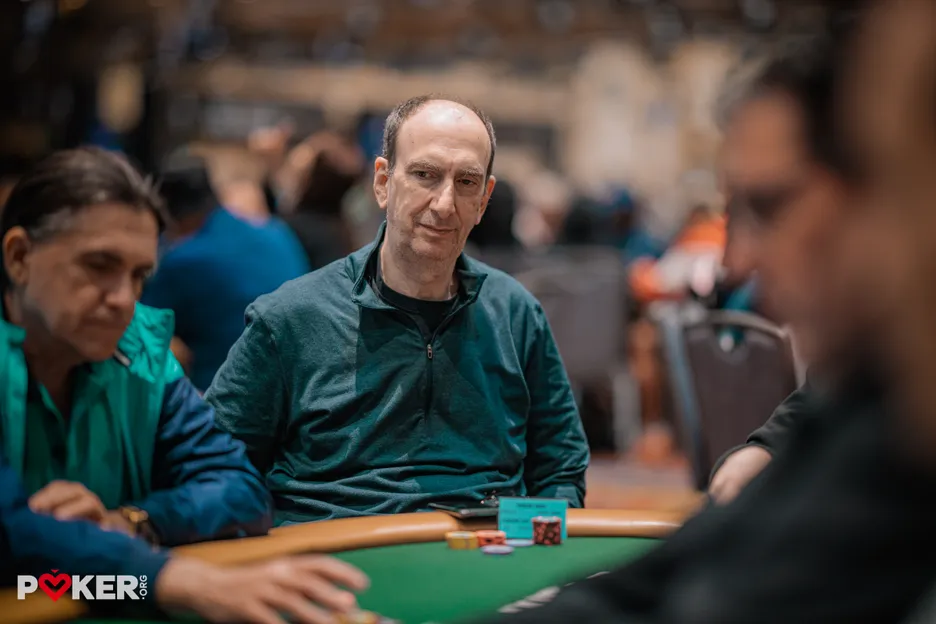
The reaction within poker has been one of confusion, with players wondering what the future will hold for those who play professionally. Erik Seidel posted on X, saying he was "very concerned" and that the changes may force semi-retirement. Seidel's thread filled up with other concerned players, like Jeremy Ausmus, who said his high-stakes volume will be way down or nonexistent.
Daniel Negreanu called the issue "as big as it gets" and predicted a widespread negative impact when it was signed in July. Phil Galfond called it "very scary for poker," and Phil Hellmuth called it a "death tax."
Most recently, WPT commentator and longtime pro Tony Dunst committed his thoughts to X, throwing doubt on the idea that the bill will be amended this year. His long thread laid out several possibilities after talking to his circle of poker-playing friends.
Starting with the high rollers, Dunst says the edges were "already thin" and the results are public, so opportunities to game the system are tough to find. "It would be easy for a high roller with a small edge to end up accumulating so much in buy-ins that they wind up owing considerable taxes on a break even-ish year."
Online players suffer a similar fate, Dunst says, with many saying they'll shut down their play on American sites altogether. Mid-stakes players, meanwhile, may see fewer players, but they're less concerned about the issue. Live cash, however, will be "business as usual," with the tracking of results being difficult to manage.





Crunch time
It's hard to find supporters of the provision within the poker community, but little progress has been made in convincing those outside the gambling bubble that it is important. Senator Mike Crapo of Idaho and the Senate Finance Committee added the provision during the late stages of negotiations for the bill, which confused gamblers and sent the industry scrambling. The American Gaming Association, a major lobbying group, initially supported the measure before flipping to back the repeal effort.
The provision would generate more revenue, likely in the billions over the next ten years. It would also disincentivize gambling as a profession, an idea that can always gain steam among politicians who regularly push against the rapid proliferation of legal betting.
Lawmakers will likely call it quits on or around December 19, which makes this the crunch time for getting any changes done before everyone moves on to other issues in 2026. The PokerGO Tour will also kick off its first series of the year on January 5 with the PGT Last Chance, offering up the first sign of the health of poker's high roller community for the PGT Championship later in the month.


