


Alan Longo is a high-performance psychologist with five years of experience coaching high-stakes poker players. Passionate about sports, he educates and empowers players with the tools to build their mental foundations, professional routines, and competitive planning for consistent, high-level performance. Find out more at his website.
There is one massive, invisible leak that many dedicated players — regardless of their time zone, stake level, or format — continue to ignore.
It isn't a tilt problem, and it isn't a bankroll management issue. It is a simple lifestyle habit that acts as a cognitive handbrake, causing you to play your sessions with a processor that hasn't fully booted up.
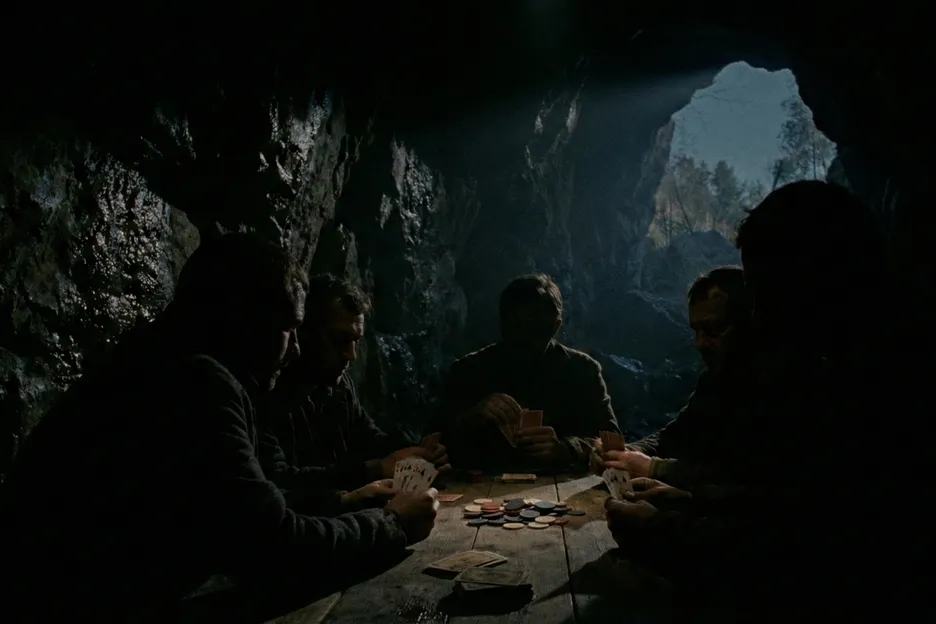
I call it the 'Cave Effect'.
Whether you are a live pro spending 12 hours inside a windowless casino, or an online grinder who wakes up and immediately sits in front of a screen with the curtains drawn, the result is the same. You are starving your brain of the one signal it needs to function effectively.
The biology of timing: Why you feel 'out of sync'
In our previous discussion on the neurobiology of sleep, we established that sleep is the brain's recovery process. But while sleep recharges the battery, sunlight sets the clock.
Your body is not a single unit; it is a collection of systems (digestion, hormonal release, cognitive focus, emotional regulation) that all need to work in perfect harmony. To do this, they rely on a master rhythm.
When you view morning sunlight, you are essentially calibrating this rhythm. You are synchronizing all your internal systems to the same time zone.

The chaos of desynchronization
When you wake up and stay in the dark (the 'Cave Effect'), you miss this calibration event.
The result is desynchronization. Your internal clocks start to drift apart. Your 'cognitive clock' might think it's time to work, but your 'metabolic clock' thinks it's still time to rest. This creates internal friction.
You feel sluggish and inefficient not because you lack energy, but because your biological systems are fighting each other rather than working together.
The problem with indoor light
Most players assume that turning on the room lights or staring at a bright monitor is enough to calibrate this rhythm. It isn't.
To trigger this synchronization, your brain needs a specific intensity of light, measured in 'lux'.
- A typical well-lit room: ~500 lux.
- A cloudy day outside: ~10,000+ lux.
- Direct sunlight: ~100,000 lux.
From your brain's perspective, being indoors (even with the lights on) provides an insufficient signal. 500 lux is not enough to set the clock. Unless you get that specific input from natural light, your neurochemistry lingers in a twilight state, leaving you to play with a system that is fundamentally out of sync.





The cost of the cave vs. the power of sync
Many players attribute their fatigue or tilt to 'running bad' or simply 'not sleeping enough', when the reality is they are biologically desynchronized.
Here is what happens to your poker game when you stay in the dark versus when you anchor your rhythm with sunlight exposure.
1. Cognitive impact (The processor)
The Cave: Without a clear synchronization signal, you are more prone to prolonged 'brain fog'. Your processing speed often lags, making multi-tabling feel more mentally taxing. You become more susceptible to decision fatigue early in the session, increasing the risk of auto-piloting spots you usually crush.
The Sync: Sunlight exposure helps trigger the neurotransmitters that sharpen focus. It supports faster reaction times and creates a better environment for working memory. This makes it easier to hold complex ranges in your head without feeling mentally drained by hour two.
2. Emotional impact (The tilt control)
The Cave: When your clock is drifting, emotional regulation becomes more difficult. Your brain's threat-detection center can become more reactive, meaning a bad beat might sting more than usual, or a 3-bet might feel more personal. Your baseline for patience is lower, leaving you more vulnerable to tilt.
The Sync: A synchronized clock provides a stronger foundation for the emotional system. It helps regulate mood-related neurochemistry, making it easier to remain calm and grounded. You are better positioned to handle the natural variance of the game because your biology isn't adding unnecessary friction.
3. Physical impact (The engine)
The Cave: Your energy levels are likely to fluctuate, often leading to erratic spikes and crashes. Because your body isn't sure it's 'daytime', it may process food less efficiently, contributing to sugar cravings and the post-meal slump. Worse, without a clear morning signal, your body doesn't know when to sleep at night, which can fuel insomnia.
The Sync: Sunlight exposure promotes a steadier, natural alertness. Crucially, morning light sets a timer for your sleep hormone (melatonin) to release 12-14 hours later. This facilitates falling asleep faster after your grind, supporting better recovery for the next day.
How to set your clock (no matter when you wake up)
The goal isn't to force you into a '5am Club' lifestyle. The goal is to synchronize your body to your schedule. Whether you wake up at 7am or 2pm, the protocol is the same.
1. The 60-minute rule
Try to view sunlight within the first 30 to 60 minutes of waking up. This signals to your brain that the 'day' has begun. Do this before you look at your phone or check your graph.
2. Get outside (glass doesn't count)
Windows filter out too much of the light intensity your brain needs. Step onto the balcony or go for a short walk.
- Sunny day: Aim for 15-20 minutes.
- Cloudy day: Aim for 30-40 minutes.
- Very overcast: Aim for 60 minutes.
Note: Never look directly at the sun. It is dangerous and unnecessary; simply being outside and looking toward the light is enough.
3. The strategy for the night shift
If you are a tournament player waking up at 4pm in winter when it is already dark, natural light isn't an option. In this specific case, invest in a 'light therapy lamp' (10,000 lux). Sit in front of it for 20 minutes while you have your coffee to simulate the sun.
Your biological bankroll
Poker is a game of small edges. We spend hours studying to gain a 1% EV advantage. Yet, many players sit down to play with a brain that is operating significantly below its full potential because it thinks it is still night.
The 'Poker Cave' is comfortable, but it is a performance leak.
Tomorrow, when you wake up, step outside. It is the simplest, highest-ROI adjustment you can make to clear the fog, stabilize your mood, and bring your A-game to the tables.
Featured image created using AI.


