

With the WSOP drawing huge numbers, the APT breaking attendance records and online poker in the US starting to reclaim some of the ground lost 15 years ago on Black Friday, real-money poker is experiencing something of a boom.
How big? The biggest tournament ever just took place at GGPoker.
But what about play-money poker?
GGPoker, the world’s largest online poker room, generally draws daily peak concurrent user numbers around the 350K-500K mark. For one of the biggest social gaming options, Zynga Poker, that number is reported to be as many as 6 million.
There are booms, then, and there are booms. David Pomroy is someone who has extensive experience across all of them, and now he’s put that background into action with a new mobile game, PowerSuit.
The former pro behind the idea
As a player, Pomroy went pro in 2001, playing online and live throughout poker’s period of rapid growth following Chris Moneymaker’s WSOP Main Event win in 2003.
After a decade of playing for a living, he moved into a series of industry roles including Head of Poker at Unibet and iPoker, before moving into the social gaming side of the business.

“I went from being a winning player to struggling to beat the games over the last few years of my poker career, and kind of decided that it was getting too hard,” recalls Pomroy, “and I was having to spend half my time studying and half the time playing, and I didn't really want to spend half my time studying, so…”
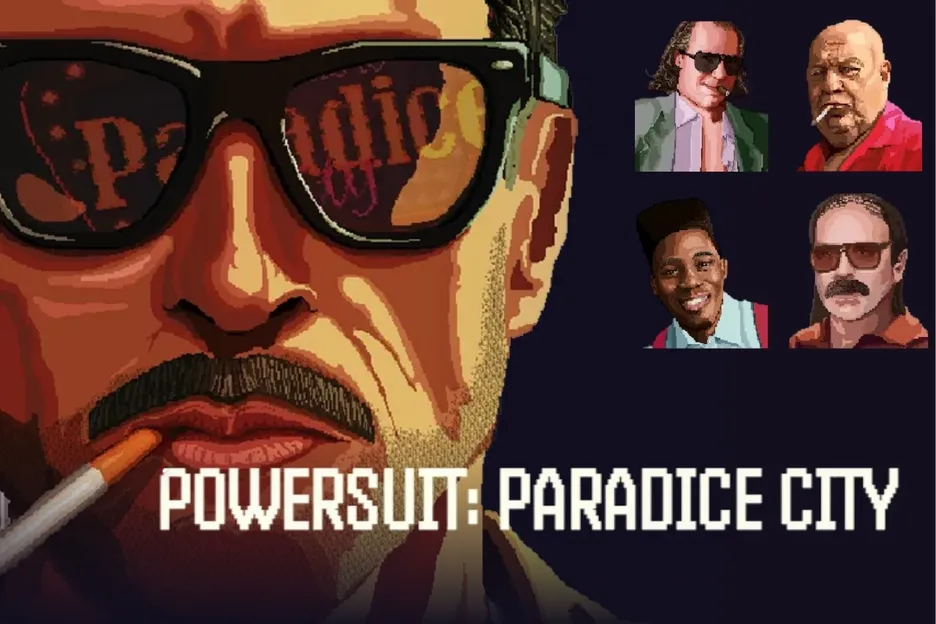
Fast forward to the creation of his new passion project, PowerSuit. A free-to-play poker and casino game with no ads, no AI art, and a distinctly 1980s pixel art vibe, the game is a prime example of an idea seen through to fruition by hand.
The path from a concept in your head to a fully realized, downloadable and — albeit gently — monetized app is one that many will surely aspire to follow.
So, what does it take to bring an idea like this to life?









A satirical spin
Firstly, what exactly is PowerSuit?
“It's a free-to play-poker and casino game,” Pomroy explains. “It’s similar to Zynga, Governor of Poker, stuff like that, but it's quite satirical.
“I feel like the real money landscape is difficult, with all the regulation and the hoops for people to jump through, whereas it's quite easy to get into a free-to-play game. So many people lose money playing poker, I think the prospect of buying chips in a free-to-play app and spending the same amount you would on, like, a Netflix or Spotify subscription, is naturally a lot more appealing for some people.”
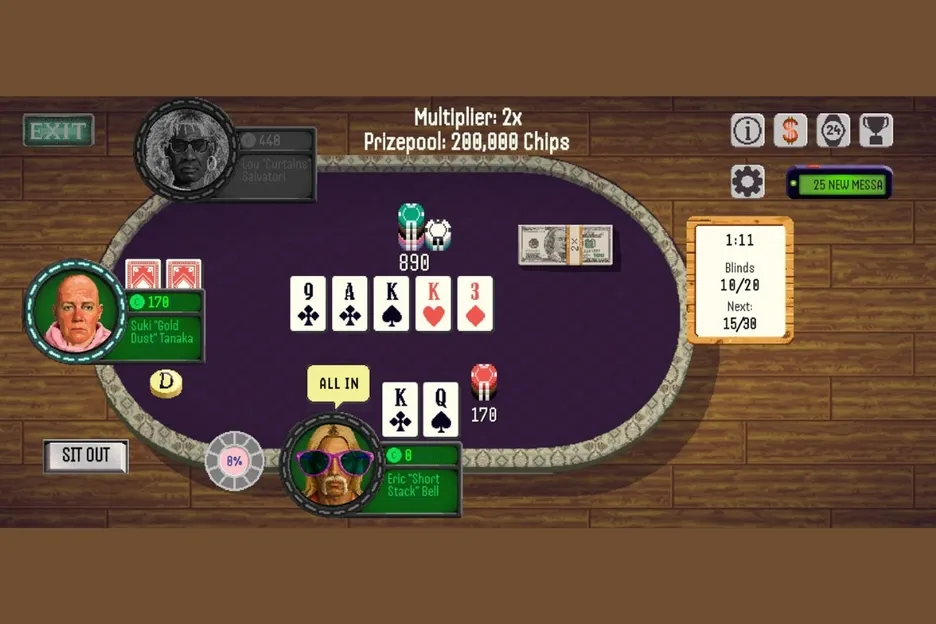
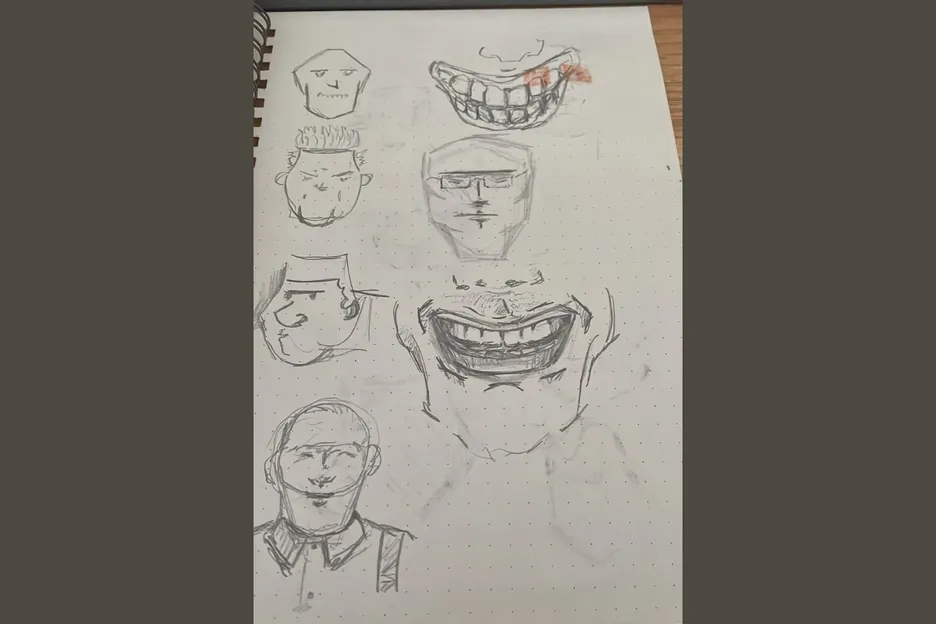
The first thing that hits you about PowerSuit is the visual presentation, with a hand-drawn pixel-art style that meshes well with the game’s other standout aesthetic choice: its setting.
‘Paradice City’ in the 1980s is a seedy locale with some not-so-subtle similarities to certain other American desert-based entertainment capitals.
“That changed a bit over time,” says Pomroy. “When we first started working on it, we didn't know exactly what it was going to be, and eventually we felt like it just looked like every other app, a bit too slick and a bit too shiny.
“So we thought about what’s interesting about poker to us. And a lot of that went back to WSOP final tables from the 80s and 90s, when I first got into poker. I read about Stu Ungar and all those characters, and that was what was really interesting to me."
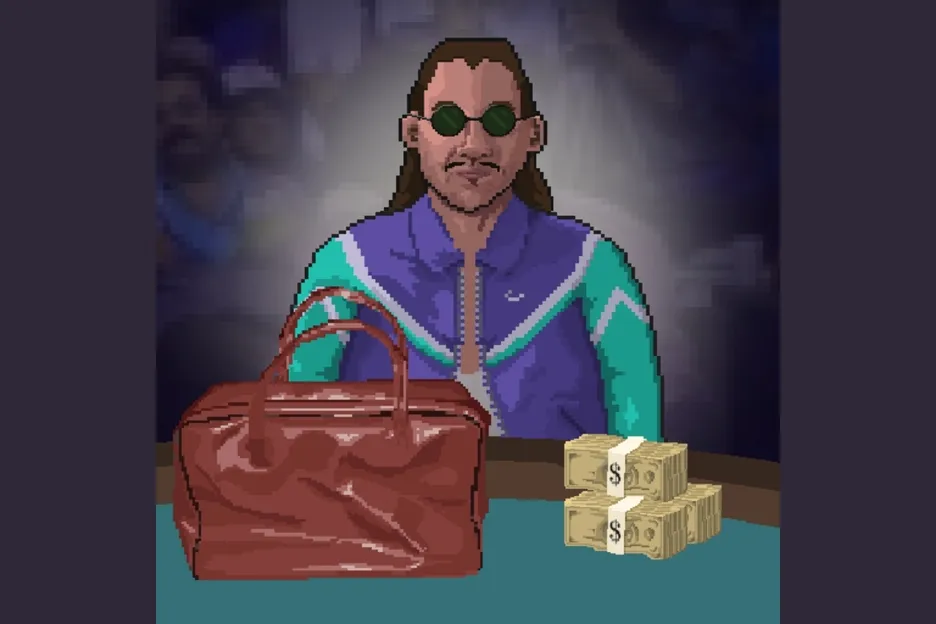
“A lot of those characters were massively flawed, including Stu Ungar himself, but that was also part of the attraction. So then we landed on a pixel art approach, and it's going to be in the 80s, and it's going to be a kind of alternative version of Vegas, but satirical. It has quite a lot of dark humor.”
That humor brings to mind another, larger gaming franchise which happens to be high on the news agenda at the moment: the launch of Grand Theft Auto VI is now just a few weeks away.
“One of the things I always loved the most about GTA was the radio, and all the dark humor and satirical jokes you’d find there. A lot of that's probably quite similar, although I think at this point we haven't been able to get as much of the narrative into the game as we want.
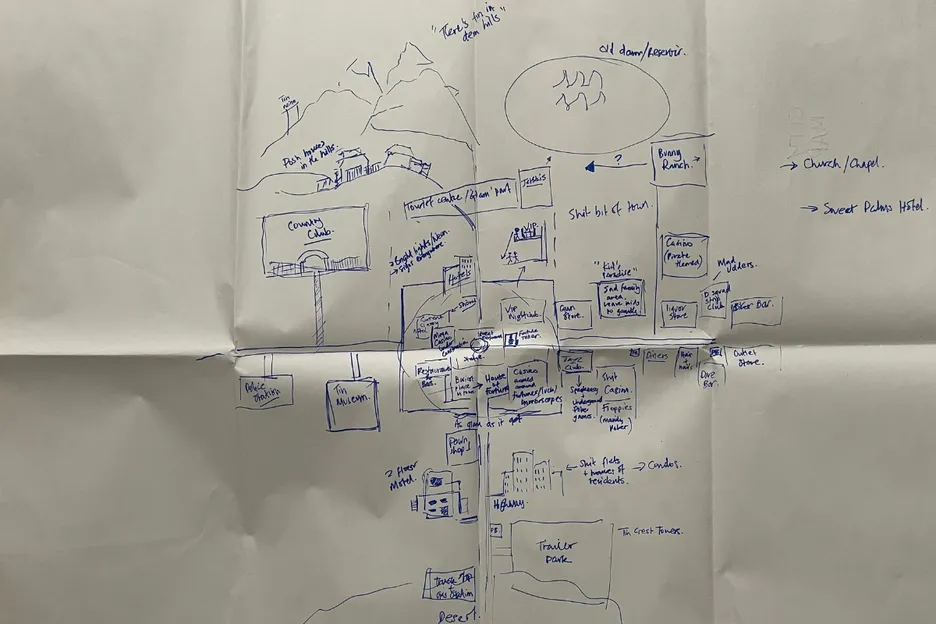
“Obviously, the core game is the games themselves, and so far there's only been so much narrative and RPG elements we've been able to build around it. But the lore exists, and there's a wider map that exists, and it's just a case of getting that into the game more over time.”
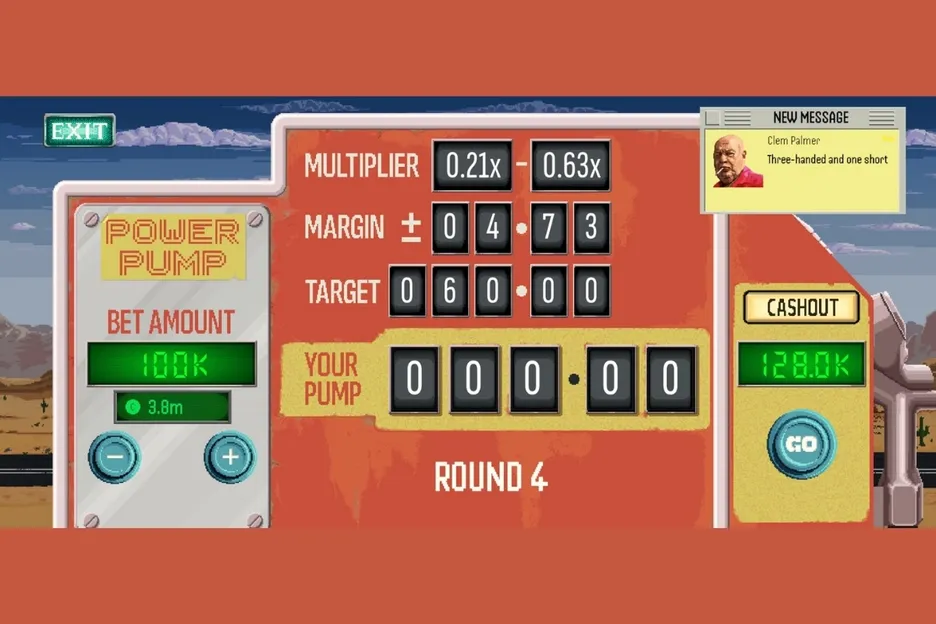
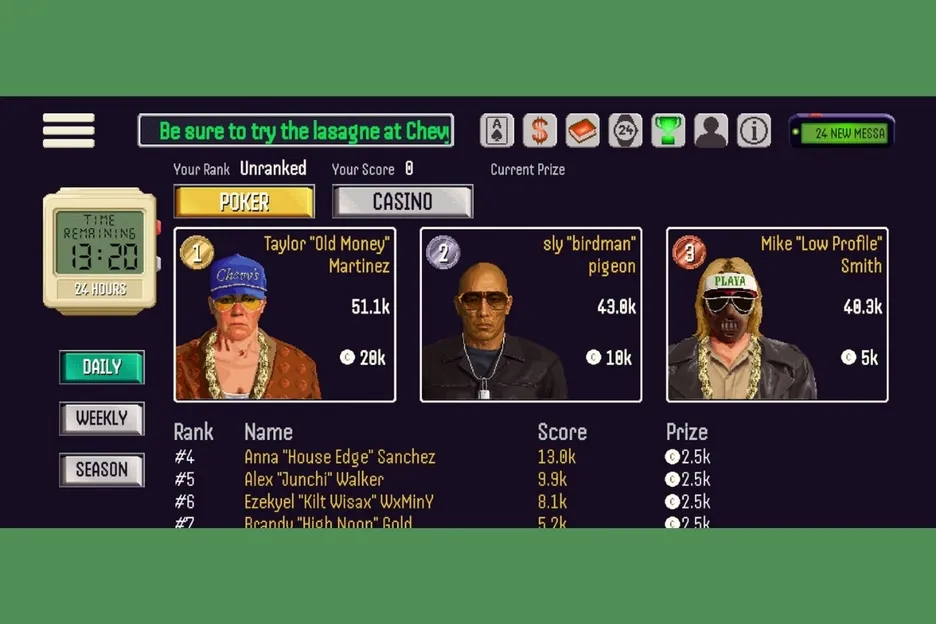
What is there right now is a suite of games including no-limit hold’em, blackjack, slots and plinko, with some interesting twists such as 'Power Pump', and more games lined up as future additions.
Then there are missions, extensive character customization options, and an overarching story that unfolds as you play.
With an Android app available since April, and iOS launching last month, PowerSuit has now made it from the imagination phase all the way into users’ hands.
So, we ask — on behalf of every dreamer who’s imagined doing something similar — what does it take to actually realize this vision?
Catching the coding bug
The genesis of PowerSuit came about when, as part of his day job working in free-to-play gaming, Pomroy asked his dev team how long it would take to add a new blackjack game. The answer came back: six months.
To gain a better understanding of why this was the case, he decided to teach himself to code in his spare time. It soon became an obsession.
“I found a course online and started learning, and really just fell in love with it. I played around building a poker engine, a craps engine, started building some little deck-building games, just doing that for fun, just to learn.
“The first couple of years when I was learning, I think I probably had about 25 little projects that I'd started, and then just got bored of at some point. I think it’s the same for a lot of people that are trying to make games, you end up with loads of unfinished little projects, and getting over the last part is always the hardest bit.”
What came next is, according to Pomroy, one of the keys to getting a project over the line: creating a team.
In the case of PowerSuit, he teamed up with two of his oldest friends: James Wilson, who handles design, and Ashley Salek, who handles marketing.
All poker fans, they looked at the current crop of poker-related free-to-play games and decided there was room for a product with a little more personality.
“It felt like a lot of the games out there were very similar, but that poker itself was having a bit of a renaissance, at least in terms of content and characters and that kind of thing, like there were more interesting people in poker again.
“So we worked on it for about 4 or 5 months, and then we decided in November last year to run a small beta test to see if other people actually enjoy playing it. And that came back way more positive than we expected.”
Having a team not only allows you to spread the workload, says Pomroy — who still hasn’t given up the day job just yet — but also helps with accountability and actually seeing things through.
“I think the key is being ultra-disciplined with it, and having other people, like the three of us, to hold each other accountable. Because we know each other very well, we can be very direct, and we can call each other out.”
Another pointer that Pomroy shares is the benefit of setting a deadline.
“At one point we just said, ‘Let's draw a line in the sand: let's mark a date when we are going to release this into the App Store, regardless of what state it's in’, because otherwise we'd just spend another year or two polishing it and iterating on it further.”
Do try this at home
That self-imposed deadline was April, and now that the app is up and running with a growing player base, the challenges have shifted. Handling customer queries on Discord, or via direct comms, is a new priority, alongside the continuous development of new content to expand the world and its wider narrative.
The app is monetized via the availability of chip purchases, but Pomroy stresses that monetization is not aggressive. From his time spent on both sides of the gaming tables, he appreciates the need to create and nurture a sustainable ecosystem.
“Monetization is quite predatory in a lot of free-to-play apps, to the extent that it can basically ruin the player experience just to try and squeeze some more money out of you. Obviously you can buy chips in the app, but we don't ever want it to be shoved down people's throats. And even for the monetization that's there, to try and give more value outside of just chips to play poker and casino with.”
Now that the app is starting to earn its keep, we asked Pomroy what advice he’d give others starting out down a similar road.
“In hindsight, I would take a bit more time off. I also think I was quite naive around the investment side of things. I was definitely quite green in terms of how long that would take, and what that process would be like.
“I'm very disorganized by nature, as well. If I could, I'd go back and force myself to be organized from the beginning. When we're trying to go back to iterate on something that we've done in the past, and it's not really documented properly, it takes a lot more time to dig into those things. Document it early on.”
Finally, he underlines the need not to lose sight of the original vision, which in his case was to create something as fun to play as it was to build.
“I've had more fun working on this than playing games myself, especially because one thing we tried to be mindful of in the beginning is to try to enjoy all the little wins that we have, and not let them eventually become ‘not a big deal’.
“For example, I remember the first few players that we saw come through on the Play Store, and how consequential that felt to us. The first time we saw a keyword rank go up on the Play Store, or the first time that someone purchased a season pass, and thinking ‘Sh*t, what if this person's not enjoying it?’. And we still have it now. All these little things still give you a buzz.
“We can see the excitement that people have playing it, and that's what makes it really, really enjoyable.”
You can download Powersuit at the App Store or Play Store, check out the Discord, and find out more at the website.