


Wladimir Taschner is a former high-stakes online poker player who coached for DeucesCracked and PokerStrategy. He also appeared in the television series 'Two Months, Two Million' and is the author of The History of Online Poker.
When Chris Moneymaker won the World Series of Poker Main Event in 2003, online poker was still a young business.
Planet Poker had opened its real-money tables five years earlier, and Paradise Poker had helped introduce a small audience to the idea of playing cards for money over the internet.
Moneymaker's victory gave that business something no advertising campaign could have produced quite so convincingly. Millions of television viewers watched a man who had qualified online beat some of the best-known players in the game.
The excitement reached people who had never played a hand of poker and made them want to try it for themselves. Online poker sites that had spent years attracting relatively small groups of enthusiasts suddenly found themselves welcoming a much broader public. There were experienced players among the newcomers, but also countless people for whom poker was an evening's entertainment and who were happy to learn as they went.

Defining the boom
Over the next several years, PartyPoker, PokerStars and Full Tilt Poker would come to define the boom, each cultivating a different following while competing for the same rapidly expanding audience.
PartyPoker built enormous cash-game traffic. PokerStars turned online tournaments into regular events with increasingly ambitious guarantees. Full Tilt Poker placed famous professionals at the center of its identity and gave fans a chance to watch them play some of the biggest games in the world. By 2006, the Sunday Million had become a weekly fixture, and the lobbies offered action at almost any hour.
The boom also created opportunities far beyond the tables.
Affiliates earned commissions for referring new players, while rakeback deals, advertising, poker media and coaching supported a growing economy around the sites themselves.
A pastime that had once occupied a small corner of the internet was becoming a billion-dollar industry.

The most extraordinary opportunities belonged to a relatively small group of young players who discovered they were exceptionally good at the game.
Some had barely finished school when they began earning more than their parents. Others postponed university or abandoned conventional jobs as their bankrolls grew.
Tom Dwan, known online as 'durrrr', would become perhaps the most recognizable face of that generation.
His rise through the nosebleed games, the audacity of the Durrrr Challenge and his appearances on television brought the world of online poker to an audience far beyond the people playing it.
Similar stories traveled through poker forums, accompanied by tales of spectacular sessions and sudden reversals. Plenty of aspiring professionals went broke along the way and quit the game, and very few experienced the kind of success that made headlines. But during the boom, there was enough new money entering the games to make the dream feel plausible. Online poker had acquired the atmosphere of a gold rush.









'Celebrities of its own'
Much of the knowledge that made those careers possible circulated in public. The Two Plus Two forum became the gathering place where players argued over hands, compared results and occasionally turned anonymous screen names into lasting friendships. CardRunners, LeggoPoker, DeucesCracked and other training sites built on that appetite for improvement, offering lessons and videos by players who were succeeding at the tables.
A hand that took a minute to play could occupy an entire evening of discussion, and the next day's session offered an immediate chance to put a new idea to work. The exchange of knowledge was one of the boom's great attractions. It also contained the seeds of a much tougher game. Every successful strategy taught to another generation of players eventually had to be reckoned with by the professionals who had helped spread it.
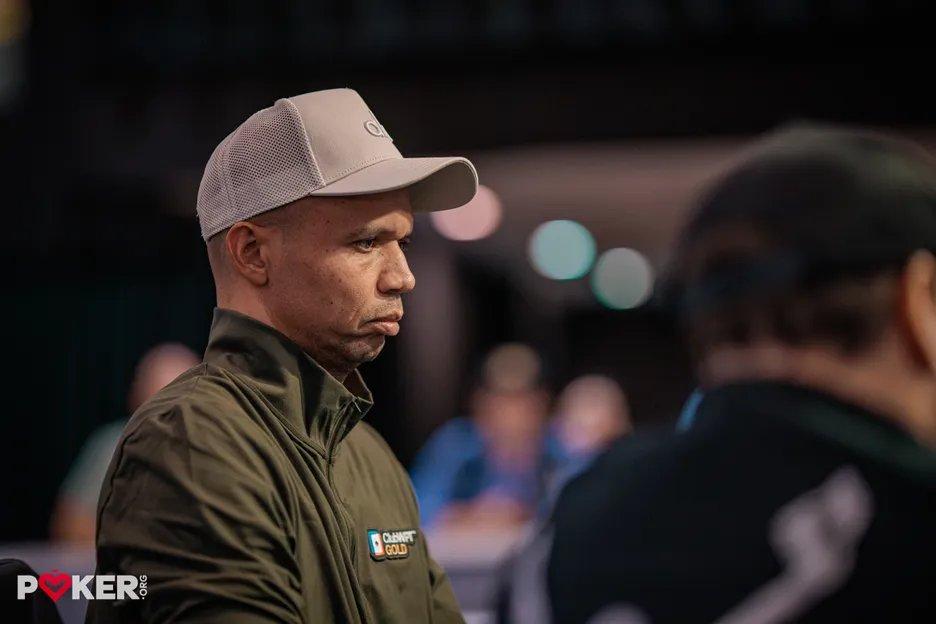
The highest-stakes tables provided their own running drama. On Full Tilt Poker, spectators gathered to watch Dwan, Phil Ivey, Patrik Antonius and other familiar names contest pots worth hundreds of thousands of dollars.
That clash of generations also played out on High Stakes Poker and Poker After Dark, where Dwan sat across from established stars whose reputations had been made long before the online boom.
In 2009, another player arrived at the nosebleeds and briefly seemed to consume the attention of the entire poker world.
'Isildur1', later revealed to be Viktor Blom, took on elite opponents at breathtaking stakes and endured swings of millions of dollars. His identity remained a mystery at the time, and the sessions were followed almost like sporting events, with forum threads updating as the action unfolded. A generation that had learned poker in bedrooms and student apartments had produced celebrities of its own, sometimes without anyone knowing what they looked like.

Black Friday
There were signs, even during those extraordinary years, that the boom could not continue indefinitely.
The United States had passed the UIGEA in 2006, prompting PartyPoker to leave the American market. Neteller, one of the main payment services used by online poker players, would follow in early 2007 by withdrawing from US gambling transactions. With a major online poker site gone and a widely used payment channel no longer available, the disruption extended well beyond the tables.
Meanwhile, the competitive balance was shifting. Poker strategy had grown more sophisticated, hand-history databases more powerful and regulars more selective about whom they played. By 2010, a waiting list might form around one particularly attractive opponent and disappear as soon as that player left. For a professional trying to protect a bankroll, careful game selection made sense.
For someone who simply wanted to enjoy an evening of poker, the experience could be considerably less appealing. The crowds were still there, but the easy games that had supported so many quick rises were becoming harder to find.
Then came April 15, 2011.
American players trying to reach some of the biggest online poker sites encountered federal seizure notices, and the industry entered the crisis that became known as Black Friday. The immediate consequences were bewildering.
Professionals who had built their careers around online games in the United States were suddenly cut off, while others worried about bankrolls they had left on the sites.
The worst revelations concerned Full Tilt Poker, which could not repay the balances it owed its customers. PokerStars returned money to American players and would later acquire Full Tilt's assets, but the damage to confidence was enormous.
For years the sites had encouraged players to treat their accounts as the natural place to keep money for the next session. Black Friday showed how fragile that assumption could be. The gold rush had created fortunes, but it had also left some players dangerously exposed to the companies behind their screens.
The solvers are coming
Online poker survived the crisis, though many of its old assumptions did not.
Some American professionals moved abroad to keep playing. National regulations divided a player pool that had once seemed to belong to a single worldwide game.
Meanwhile, the technological arms race was gathering pace. PokerTracker, Hold'em Manager and HUDs had already changed how regulars prepared for opponents.
Solvers would take that process to another level, allowing players to examine theoretically balanced strategies in a detail that would have astonished the early generation of online professionals.
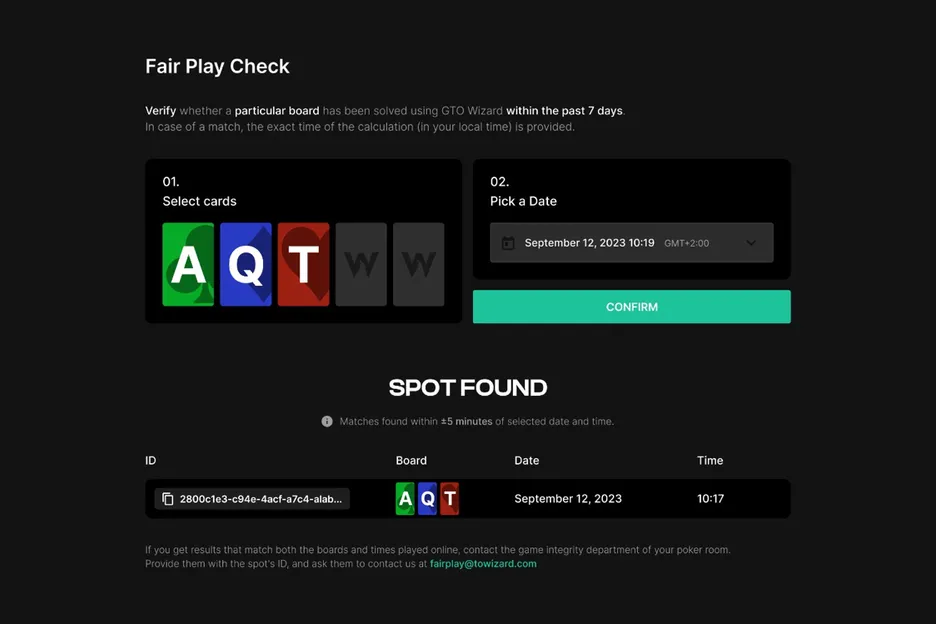
The tools made serious study more precise, while the gap between a well-prepared regular and a casual player could become even harder to bridge. Bots and the misuse of real-time assistance brought a different problem, forcing the sites to distinguish legitimate study from software making decisions during play.
The game had become more sophisticated, but keeping it fair and enjoyable was becoming more complicated.
Where to next?
Looking back, it is tempting to remember only the astonishing sums, the famous online poker players and the freedom of a time when the next big game was usually a click away.
Those memories are real, but so are the industry's failures and the increasing difficulty faced by recreational players. Online poker gained a generation of extraordinary competitors, an international culture of learning and analytical tools more powerful than its pioneers could have imagined. Along the way, some of the spontaneity that drew people to the tables was worn down by professional competition and the relentless search for an edge.
The game continues to find new audiences, from streaming communities to a revived interest in live poker.
Whether those players stay will depend on more than how much the strongest professionals know. They will need games they actually want to play.
The History of Online Poker: The Players, the Money, and the Making of a Billion Dollar Game by Wladimir Taschner is available now at Amazon.
Feature image created using AI.