

Ratings are in for the first episodes of the World Series of Poker on ESPN, and we now have a good idea of how many people watched the debut.
The results are modest, but so are the cable viewing habits of a rapidly changing world. Poker, like everything else on TV, is trying to find its place in a very wide and complicated slate of streaming services and other on-demand content.
ESPN is the WSOP's oldest ally, and its central role in the poker boom played out over more than two decades. The network jumped on board in 1987 with a documentary special, and then expanded the coverage in 2003.
The ESPN partnership grew the humble summer series into the massive exposition it is today until a mutual parting of ways in 2019. Now, poker is back on the network, and primed for a shot at its place in the mainstream.
But is cable TV still the mainstream?
Viewing habits change
A lot has changed about how we watch TV since 2003. We don't really flip through channels anymore, and most of our content is on demand. If we are watching something live, it's probably a sports game or a TV show that we don't want spoiled.
ESPN has changed, too. The sports giant is no longer in search of an endless supply of cheap programming. Between live sports and shows that talk about live sports, they've got most of the schedule covered on their own.

Simply put, very few people are flipping through channels in 2026, and that's how most of us discovered the story of Chris Moneymaker.
But the ESPN brand remains strong, and WSOP content is a proven concept for its viewers, so another shot makes a lot of sense.
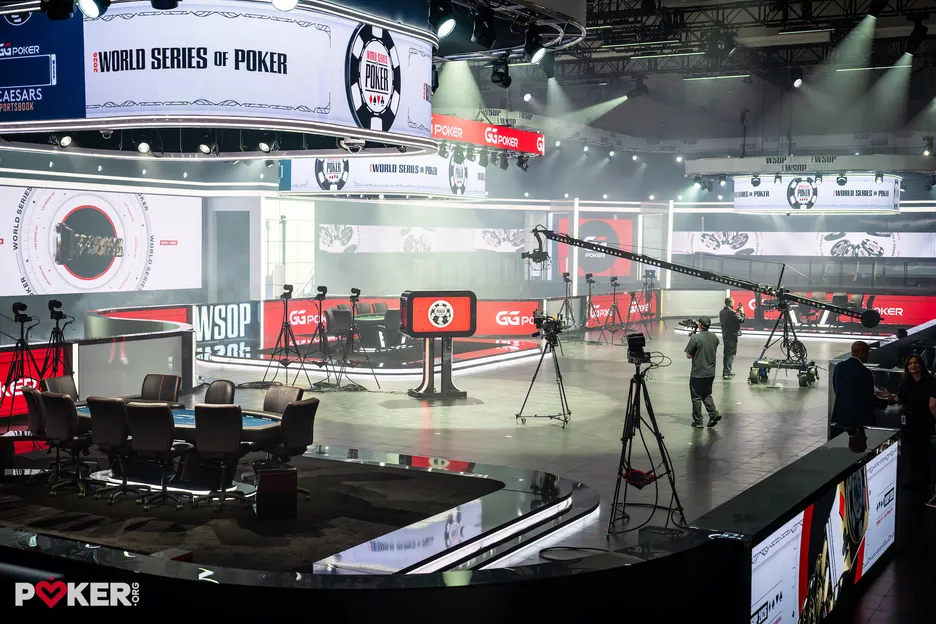
WSOP returned to ESPN with a unique approach for 2026. The first eight days of the Main Event were broadcast live on ESPN's streaming platform, with hour-long episodes to debut on the cable network in the gap before a live final table on ESPN/ESPN2 in early August.









WSOP TV ratings
The first two documentary-style episodes aired on ESPN2 on Tuesday night, and the reaction among poker fans was mostly positive. The primary complaint was that there would not be enough of it, with only four episodes planned to tell the story of over 9,000 entrants.
Ratings for the first two episodes were somewhat low, and outside the top-100 programs on cable. An estimated 173,000 viewers tuned in on average for the first hour and around 186,000 watched the second hour.
There are plenty of reasons for low ratings that would have nothing to do with the quality of the production. ESPN did not devote much marketing to the premiere, and competition was heavy. Live news is king of cable, and a block of Family Guy reruns on Comedy Central dominated the rest of the slate. WSOP also trailed the Dunkman World Championship, a tour for professional basketball dunkers on TNT.

Approximately .09% of households were tuned in for the first hour of the WSOP, according to Nielsen, the company that tracks TV ratings. It ranked as the 82nd best program of the evening among adults aged 18-49, the most important demographic for advertisers.
WSOP on ESPN2 ratings Hour 1 (7/21)
- Overall Household Rating: 0.09 (Rank 119)
- Adults 18-34: 0.03 (Rank 28)
- Adults 18-49: 0.04 (Rank 82)
- Adults 25-54: 0.04 (Rank 82)
The second hour improved slightly, with .11% of households tuned in, and a rank inside the top 100 cable programs. Both hours tracked slightly better with the younger demographic of adults 18-34.
WSOP on ESPN2 ratings Hour 2 (7/21)
- Overall Household Rating: 0.11 (Rank 98)
- Adults 18-34: 0.02 (Rank 45)
- Adults 18-49: 0.03 (Rank 117)
- Adults 25-54: 0.03 (Rank 117)
How are TV ratings measured?
It has long been anyone's guess how TV ratings might work, but the Nielsen Company has been a trusted provider of them since the very beginning.
Ratings are measured with a combination of electronic metering and data from our smart TVs. Households throughout the country have signed up to attach a device to their TV that records their viewing habits, and this data is combined with streaming devices, smart TVs, and other set-top boxes to create a sample of the entire US population.
A lot has changed about the process after a major update in 2025, and more reliance is now placed on the millions of smart TVs around the country for accurate data. The change has been big for live sports, and networks like ESPN have seen an increase in their ratings with the change.
The shift in methodology and viewing habits makes it hard to compare ratings from the modern ESPN broadcasts to those of yesteryear. ESPN is also struggling to retain households in the streaming era, with around 60 million homes carrying the network in 2026 and fewer every day. The overall drop in ESPN carriage is around 30% since the beginning of COVID.
Do TV ratings matter?
The number of people who still have cable TV is way down from 2003, when around 85 million American homes had ESPN. Massive growth would push that over 100 million in 2011, and WSOP broadcasts enjoyed a direct benefit.
According to press reports from the time, episodes in 2003 would average more than 500,000 viewers, and they were played multiple times throughout the week. The 2008 finale was a big spike with over 2.4 million viewers, and episodes from that year often averaged between 1-2 million viewers.
Ratings would decline as the country started cord-cutting in 2010 and beyond. As ESPN ratings fell, so did those of the WSOP, until the two parted in 2019.
Interest in the WSOP Main Event didn't decline, however, and the draw pushed beyond the 10,000-entry level four years later. It's reasonable to think that television was a great help in creating the poker boom, but it's not essential in a world where we can get poker content whenever we want on YouTube.

Ratings for the live broadcast of the final table will matter the most, but there's no reason to expect they will turn that many heads in the middle of the week in August. But maybe that doesn't matter. Maybe cable TV isn't where new poker players are going to find the game in 2026.
Regardless of how many people watch, a live final table on ESPN is a massive improvement to the WSOP experience for poker fans, and they are just as important as casual fans.
Data courtesy of Nielsen.