

As 2025 turns into 2026, we’re talking to some of the biggest names in the poker world and reflecting on the year’s most interesting stories and events.
Here we present some strategic continuation-betting concepts shared in our exclusive ‘Pro Tip Series’ earlier this year by Alex Fitzgerald and Kasey Mills.
The turn bet is the true c-bet
Alex Fitzgerald: One mistake that many newer players, and even some intermediate players, make when they first start playing tournament poker is that they don't recognize what boards people do not want to fold on.
A good example is when you're deep in the tournament and are 30 to 50 big blinds deep. It's just before the money bubble bursts, and the rebuy period has ended.
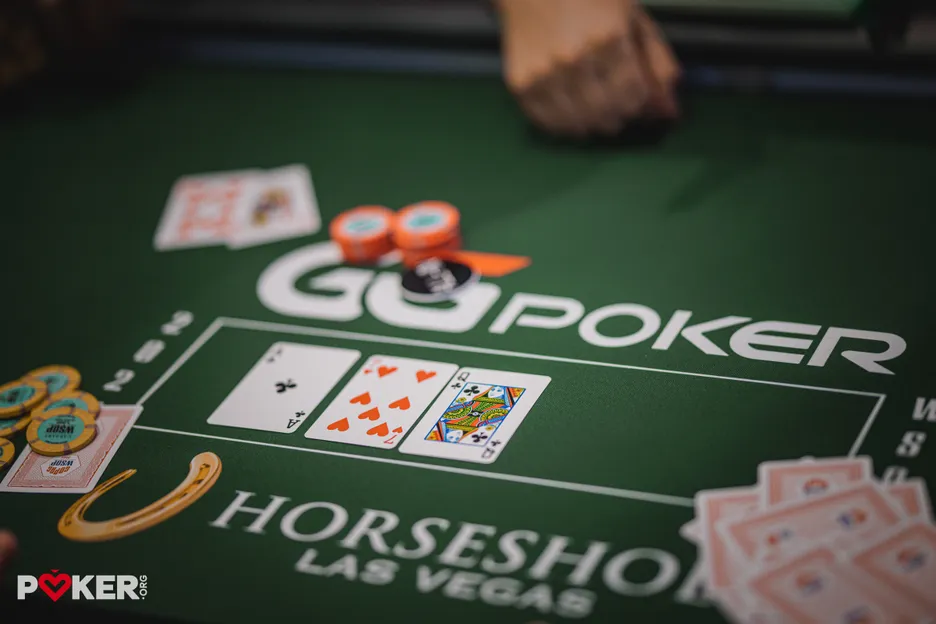
You raise from the button, and the big blind calls. The board comes with something like 

 or
or 
 – a bunch of low cards. The big blind checks to you, you bet, and the big blind calls.

Many intermediate players here give up on the turn, but they should fire again. They don't understand that many low-stakes and even middle-stakes players do not believe that you have hit anything on that board most of the time. They see that it's a low card type of board. They assume you're not opening with low cards.
Therefore, they call to see if you will check the turn. If you check the turn, they're going to lead the river. At that point, they think they'll get you to fold most of your hands, and they'll pick up the pot.
If you fire the turn instead, they will likely go, 'Okay, okay. I guess you do have it this time.’ Then they let their hand go.
But, in these situations, the turn bet is the true continuation bet. The flop bet is more of a formality. The other opponent is not taking your flop bet that seriously. Therefore, you can't give them credibility for a real hand.









Understanding c-betting OOP
Kasey Lyn Mills: A frequent situation we encounter in both cash and tournament play is raising from under the gun (UTG) or early position (EP) and getting flatted by a player on the button. For these examples, let's assume we are around 100bb deep.
There are certain board textures where c-betting is highly profitable, and most experienced players get these right. However, many recreational players make the mistake of c-betting too often in unfavorable situations, leading to unnecessary complications. You don’t always want to bloat the pot when out of position.
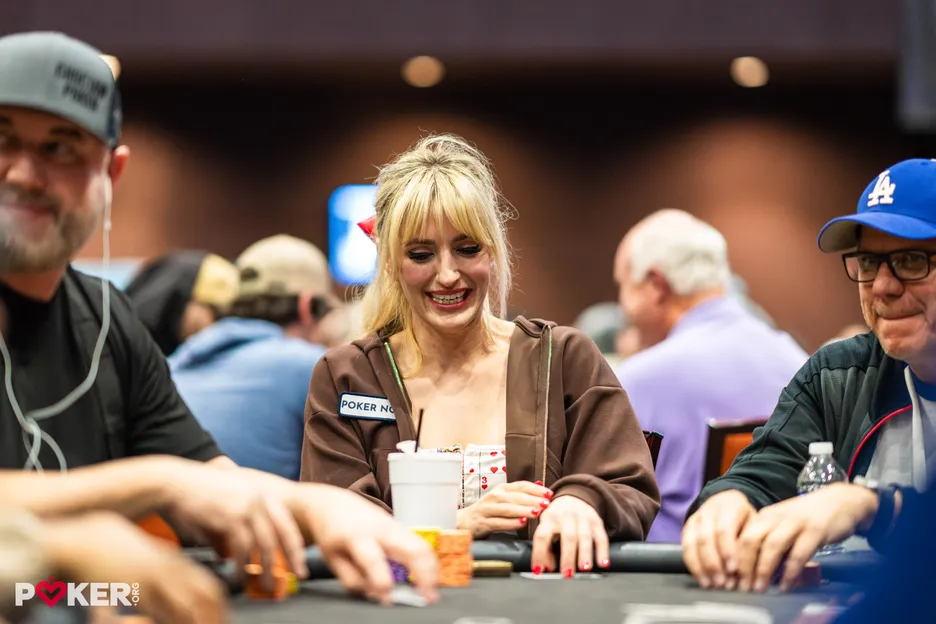
A board texture where c-betting is generally correct is A-Q-6, whether it’s rainbow or two-tone. As the early position opener, you hold the range advantage here, meaning you can comfortably c-bet at a high frequency. In fact, this is a board you should be c-betting around 80-82% of the time, and to simplify, you can even range bet it at 100% frequency without it being a mistake.
Another board that many players handle well when out of position is a 5-6-7 board after opening from UTG and getting called by the button. Unlike the A-Q-6 board, this board favors the in-position caller more since their range includes more suited connectors and middle pocket pairs. The best strategy here is to check at a very high frequency. To simplify, range-checking this board is typically the optimal play.
For more, check out the full articles below.



Alex Fitzgerald is a best-selling author published by D&B Poker. Check out Alex’s most recent offering, ‘How to Beat Players Who Never Fold.’
Visit pokerheadrush.com and subscribe to Alex's free strategy newsletter. Follow Alex on X and Instagram.
Kasey Lynn Mills, aka 'Pokermommaa', is an ambassador for PokerNow. She has won four WSOP-C rings and finished 7th at the 2023 WPT Voyage Main Event.
Follow Kasey on Instagram and X for more poker insights and strategy tips.