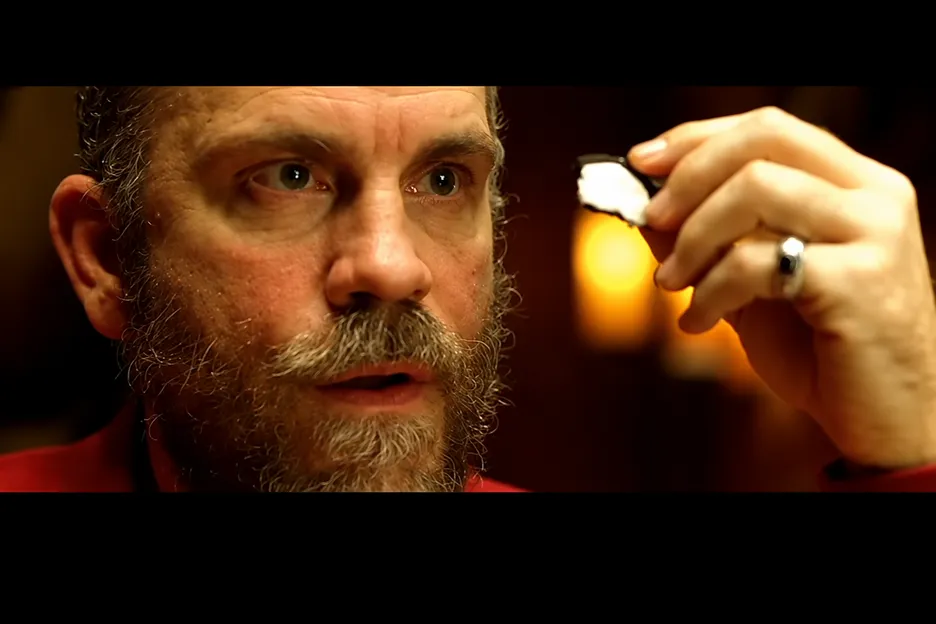


Today, we're going to talk about information you might be giving away at the poker table that has nothing to do with how you actually play a hand.
Oftentimes, you don’t even need to say a word to give off these tells, and observant players can learn quite a bit just by watching how you behave between decisions.
1. You struggle to fold
One of the biggest tells I see at the poker table is when someone is visibly uncomfortable with folding. They hem and haw over the decision almost every time they’re about to let a hand go, and the earlier in a hand this happens, the more likely they are to be inexperienced.
Solid players, including very aggressive ones, understand that they’re going to fold a large percentage of the hands they’re dealt. If you watch experienced players in televised poker games, you’ll notice that many of them fold fairly quickly in routine spots because they already know which hands aren’t worth continuing with and they don’t want to waste everyone else’s time.
Recreational players, on the other hand, often hate folding because they know they may spend the next few minutes sitting around without anything to do. As a result, they sometimes agonize over whether they can find any excuse to keep playing, even when the decision should be straightforward.
That doesn’t mean taking your time is always a sign of inexperience. Difficult turn and river decisions can legitimately require plenty of thought, and someone who routinely thinks through close spots on later streets may actually be a player who has logged a lot of hours.
The bigger warning sign is the player who struggles to fold constantly, particularly before the flop. If someone is also holding a 'funeral for their cards' by checking them again and again before finally tossing them into the muck, there is a good chance you’re looking at one of the less experienced players at the table.
I didn’t come up with the phrase 'funeral for their cards,' but I love it because it creates the perfect visual. When somebody goes through that ceremony every time they fold preflop, they’re often telling you that they’re emotionally attached to seeing flops, and that can make them an excellent player to target.










2. You show off advanced chip tricks
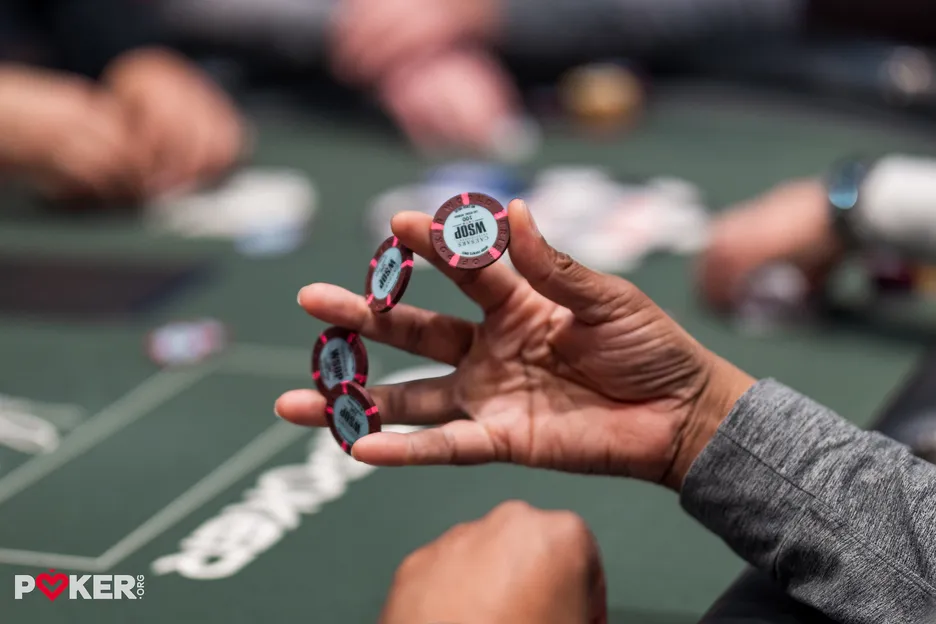
On the opposite end of the spectrum, advanced chip tricks can reveal that you’ve spent a lot of time around poker tables. I’ve spent far more time in casinos than most people ever will, so I can do several chip tricks that probably 99.9% of the general population can’t do.
Sometimes I’ll sit down in a game where nobody knows who I am and absentmindedly start doing those tricks with my chips. That doesn’t automatically tell anyone that I’m a good poker player, but it definitely tells them that I’ve spent a significant amount of time in casinos.
That may be exactly the information you don’t want to give away. If your goal is to look like you’re just in town having fun and playing a little poker, confidently riffling chips or performing complicated tricks can immediately undermine that image.
This is a mistake I still catch myself making from time to time. The larger lesson is that seemingly meaningless habits can communicate your level of experience before you’ve even played a meaningful pot.
3. You throw your cards away in disgust
If you’ve been card-dead for 40 minutes and suddenly start throwing your cards into the muck in disgust, you’re telling everyone exactly how you feel. You’re announcing to the table that you believe you’re running badly and that you’re frustrated about not being dealt anything playable.
First, this can be a sign of a newer player because going 40 minutes without picking up a premium hand is nothing unusual. Anyone who has played serious volume understands that long stretches of unplayable hands are simply part of poker.
More importantly, that frustration can reveal what you’re likely to do next. A player who has been disgustedly folding hand after hand may eventually decide they’ve had enough and try to force the action with a hand they normally wouldn’t play aggressively.
I’ve won a number of big pots from players shortly after watching them become visibly irritated by a long stretch of folding. Once somebody starts broadcasting impatience, pay close attention because they may be getting ready to manufacture action rather than waiting for a good opportunity.

4. You obsess over flops after you fold
Another common tell is staring at the flop and muttering to yourself every time you fold a hand that would have connected with the board. This can be a strong indication that someone is thinking about poker in terms of results rather than whether their original decision was correct.
Experienced players often barely pay attention to what the flop would have been after they fold a routine hand. They know that if folding was the correct decision based on the information available at the time, it doesn’t suddenly become a bad fold just because the next three cards would have given them a monster.
Suppose you correctly fold a mediocre hand preflop and would have flopped two pair. That doesn’t mean you should have played the hand, because poker decisions should be judged by their long-term expected value rather than by what happened on one particular runout.
Players who constantly torture themselves over what they would have had are giving you information about how they approach the game. They may be overly results-oriented, emotionally attached to missed opportunities, or more likely to widen their ranges in future hands because they’re afraid of missing another big flop.
5. You blame or glare at the dealer
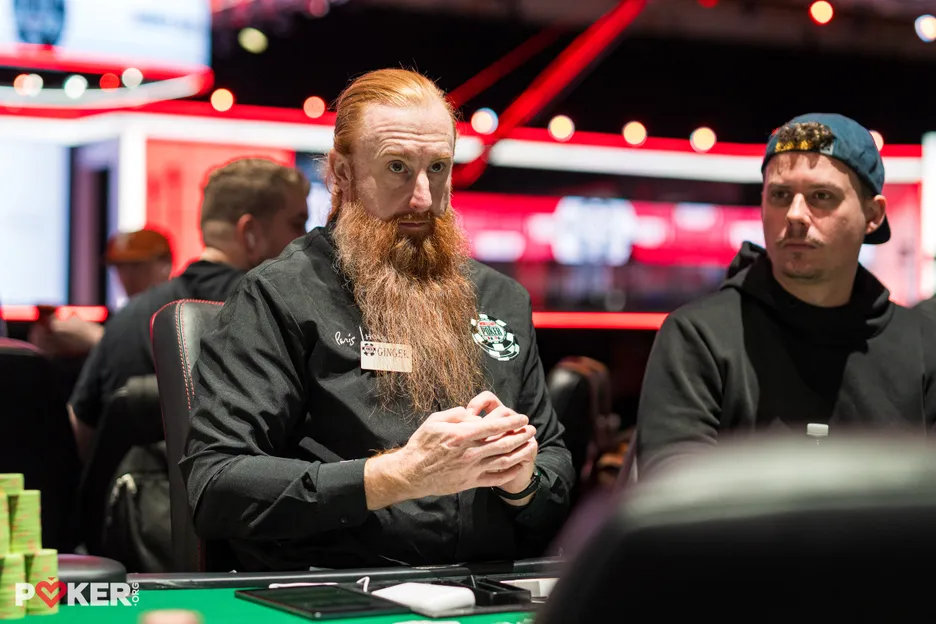
Finally, pay attention to players who glare at the dealer after receiving a few bad hands or after losing a painful pot. Their reaction may suggest that, at least emotionally, they believe the dealer somehow has something to do with which cards are coming their way.
Obviously, the dealer doesn’t control whether you get dealt pocket aces or seven-deuce. Acting as though they do is the kind of superstition that often comes from a gambling mindset rather than a disciplined poker mindset.
That makes this behavior another potential tell that someone is a more casual player. It doesn’t guarantee they’re bad at poker, but combined with other signs, it can help you identify players who may be approaching the game emotionally rather than analytically.
Those are the players you should be paying attention to and, when the right situations arise, looking to play pots against.
Pay attention to what happens between hands
A lot of the information available at a poker table has nothing to do with betting patterns, bet sizing, or hand ranges. The way someone folds, handles their chips, reacts to bad cards, watches boards after folding, and interacts with the dealer can tell you quite a bit about their experience level and mindset.
At the same time, remember that other players can collect the exact same information about you. The more aware you become of these behaviors, the better you can get at recognizing them in your opponents while avoiding unnecessary tells of your own.
I hope these tips help you spot some of the information players give away through body language and behavior outside of the hands themselves.
Alex Fitzgerald is a best-selling author published by D&B Poker. Check out Alex’s most recent book, ‘How to Beat Players Who Never Fold.’
Visit pokerheadrush.com and subscribe to Alex's FREE strategy newsletter to receive three FREE training video packs. Follow Alex on X and Instagram.