Today we’re going to try something a little different.
We’re going to talk about when you should leave a cash game, but we’re going to focus specifically on monitoring things that most people do not monitor when making that decision.
1. How many bad beats can you handle?
Every cash game player should know how many bad beats they can handle. Typically, it takes a long time to develop that toughness.
When I first started playing poker, if I took one bad beat, I would be a whiny little mess for the rest of the night.
Once I became a professional cash game player, there were times online where I would lose 10 buy-ins in the first hour and completely ignore it. A lot of those losses were just bad beats.
You can build up that toughness.
Live poker can be rougher, though, because you have to physically watch the other person take your chips. That is why you need to know your number.
Some people cannot keep playing well after one bad beat. For me, it is about three large ones. After that, I start losing interest in the game, so I usually leave.
What is your number?










2. How long can you stand an annoying person?
As I have gotten older, my patience at the poker table has gone down to zero.
I do not have much patience for obnoxious people anymore. If there is one of them at the table, I will typically leave.
I understand being obnoxious is a tactic. It's like someone talking to you while you're trying to read. It's effective, and it is allowed. That doesn't mean I have to put up with it.
That is actually a leak in my game because there are plenty of times when you will be at a table with annoying people, but the action is amazing.
So you need to know your own tolerance. How many annoying people is too many for you? Is there a certain amount of time you can deal with them before they start affecting your decisions?
If the game is great but your patience is gone, you need to be honest with yourself.
3. How many buy-ins can you lose before you start freaking out?
How many buy-ins can you lose before you stop playing your best?
For some people, it is one buy-in. They lose one stack, they cannot focus anymore, and they need to leave right then.
Other players I know can lose five buy-ins and genuinely let it go.
It also tends to be different online versus live. Online, you have more volume and more opportunities to get it back. For me, it is around 10 buy-ins online and about five buy-ins live.
But if I am not feeling it, sometimes the number is three.
You need to know your number before you sit down. Do not wait until you are already tilted to find out.

4. How many failed bluffs does it take to tilt you?
If you are one of those people who gets a bluff called, has to show it, and then goes on flaming tilt for the rest of the night, you need to leave.
I actually have a bigger problem with getting caught bluffing than I do with taking bad beats.
Why? Because I am always suspicious that I missed something. I start thinking, “That was my fault. I should not have bluffed there.”
Bad beats do not tilt me nearly as much, but when I bluff someone I should not have bluffed, it sends me into a level of anger that very few things can reach.
Because I know I am better than that.
I have sat down in private games, run one bluff in the first five minutes, donated all my chips, and then just walked out because I knew I was going to play terribly for the rest of the night.
You need to know whether failed bluffs affect you like that.
If they do, protect yourself.
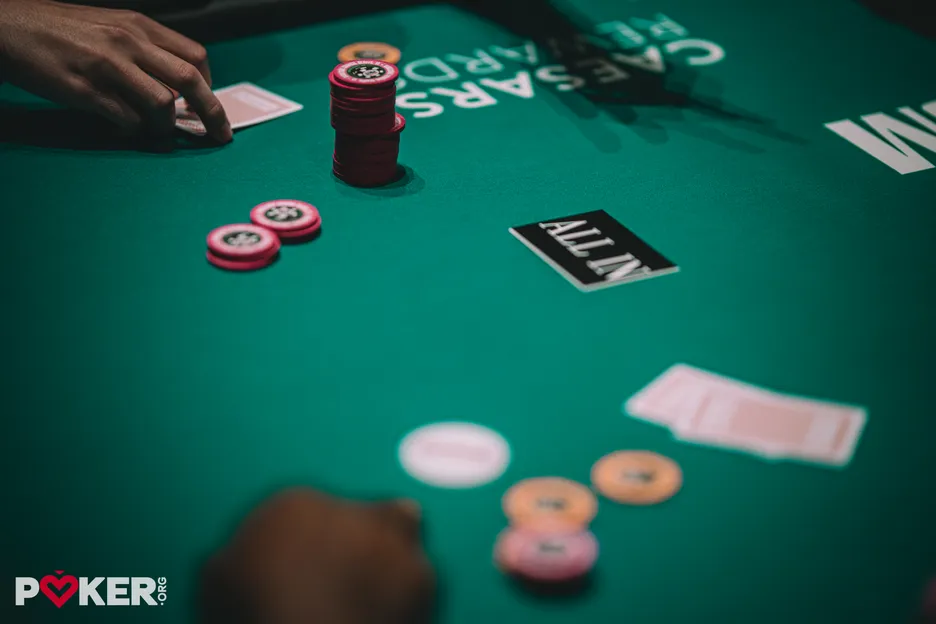
5. How long can you go without a playable hand?
How long can you go without a playable hand before you start getting annoyed that you are not being dealt anything?
One of the funniest things to me at the poker table is how quickly people complain about not getting hands. I once sat down at a table, five hands went by, and three guys were already talking about how they never get dealt anything.
I could not stop laughing hysterically. I never knew the human mind could be so feeble.
I have played a lot of hours in my life, and I know there are many cash game sessions where you simply are not going to be able to do much of anything.
In fact, one sign that a player is not prepared to go pro is that they never have a boring session.
If you never have a boring session, it is likely because you played disciplined poker for four hours, got annoyed that you were breaking even, and then tried one big bluff or one big call-down just to entertain yourself.
Most professionals can have boring sessions that do not really mean anything because there weren't many spots available.
Remember, if you are playing $1/$3 no-limit hold’em, each hand only costs you about 45 cents to see. Your implied odds on any one hand, especially in match-the-stack games, can be insane.
You can sit there for hours like a sniper, waiting for your spot, and it can still be effective.
6. What tells you that you are tilting?
Finally, look for anything that tells you you are tilting.
Let me give you mine. When I am playing my best, I am paying attention to the situation. The stacks. The players. The positions. The tendencies.
When I am playing poorly, I start caring way too much about my hole cards and how they might interact with the flop. I start focusing on how bad I am running or how bored I am.
That is usually the time to leave.
You need to know your own warning signs. Do you start forcing bluffs? Do you stop checking stack sizes? Do you start calling just to see it? Do you start thinking every pot is personal?
Whatever your signs are, write them down and respect them.
Would you add anything to this list?
Alex Fitzgerald is a best-selling author published by D&B Poker. Check out Alex’s most recent book, ‘How to Beat Players Who Never Fold.’
Visit pokerheadrush.com and subscribe to Alex's FREE strategy newsletter to receive three FREE training video packs. Follow Alex on X and Instagram.