

Hey everybody, today we’re going to talk about how you can barrel the turn more effectively in heads-up pots during your next session.
A lot of players fire the flop automatically and then have no real plan for what they’re going to do when they get called.
The turn is where you need to start thinking more carefully about what your opponent’s flop call actually represents. Let’s get right into it.
1. Start with position
The first thing you want to pay attention to is whether your opponent is in position on you or out of position against you. That simple detail can make a big difference in how often their flop call represents a real hand.
When players are out of position, they’re generally less likely to call the flop with complete nothing and hope to take the pot away later. Floating is simply harder when you have to act first on the next street.
Players in position can be much more willing to peel the flop lightly. They know they’ll get to see what you do on the turn before committing more money, so some of them call with high cards, backdoor draws, gutshots, and all kinds of marginal holdings.
That means you should pay close attention to opponents who float too much in position.
Against those players, your second barrel can become much more effective because their flop calling range contains plenty of hands that were never planning to withstand another bet.









2. Pay attention to rainbow flops
If the flop comes rainbow, meaning all three cards are different suits, players are often more willing to call with weak holdings. There are fewer obvious draws available, so people frequently convince themselves that nobody has much of anything.
That can lead to calls with overcards, gutshots, backdoor straight draws, and backdoor flush possibilities. A lot of players simply want to see what you do on the next street.
This tendency is especially common when they have position on you. They know they can call once and then evaluate your turn action with the informational advantage of acting last.
When you recognize that someone likes floating these dry rainbow boards, be prepared to follow through more often. A flop continuation bet by itself may not accomplish much against them, but a second barrel can force them to finally release all of those weak calls.
3. Be careful when the flop has two high cards
Now suppose the board comes with two cards higher than a nine. You should be much more cautious about automatically assuming your opponent missed.
Most recreational players love playing high cards before the flop. Hands containing aces, kings, queens, jacks, and tens make up a large percentage of the ranges they voluntarily enter pots with.
That means a flop like 

 is much more likely to connect with somebody’s preflop calling range than a flop like


 . Even when they don’t make a strong hand, they can easily have top pair, second pair, a gutshot, or two overcards with additional equity.

You can still take a shot on the flop, especially against somebody who plays far too many hands preflop. But after you get called, you generally want a better reason before firing the turn again.
The mistake is assuming that every flop call is just a float. On high-card boards, your opponent simply has more natural hands that can continue. And while you may have the range advantage, they might have a pretty pair that they do not want to fold.
4. Treat ace-high flops with even more caution
The ace is arguably the most important card on the board because so many players love entering pots with any ace they can justify playing. That makes ace-high flops particularly dangerous places to blindly fire multiple barrels.
Yes, you may have better aces in your range. No, they do not care. They didn't drive to the cardroom to fold top pair.
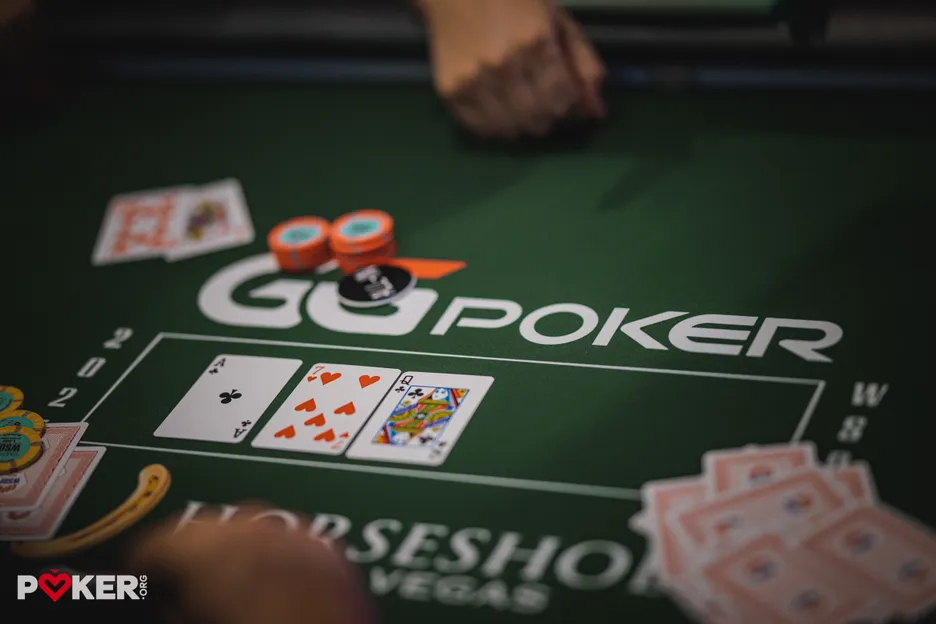
You can certainly continuation bet these boards because the ace is also a powerful card for many preflop raisers to represent. But once your opponent calls, you should be careful about automatically firing again without additional information.
A lot of recreational players are simply not folding an ace to one or two reasonable bets. Some will even call three barrels with very weak aces because they’ve spent the entire hand waiting to hit that card.
You need to know who you’re dealing with. If the player is sticky with top pair, save yourself the unnecessary bluff and wait for a better situation.
5. One non-ace high card can be a great barreling board
Boards with only one high card can be much better candidates for double barreling, especially when that high card is not an ace. Your opponent simply has fewer obvious combinations that connected strongly with the flop.
Take a rainbow flop like 

 . A lot of players are going to call once with hands like ace-jack, king-jack, jack-ten, pocket pairs, gutshots, or other weak backdoor possibilities.
If the turn doesn’t improve those hands, many of them are going to have a difficult time facing another bet. This is especially true against someone who you already know likes to float the flop.
These are the situations where you want to think about what their range looks like after calling once. If that range contains a large amount of weak one-pair hands and complete floats, the turn can be an excellent place to continue applying pressure.
6. Use the turn card against capped pair-and-draw ranges
Suppose the flop contains a flush draw and your opponent simply calls your continuation bet. Depending on the player, that call can tell you quite a bit about what they probably don’t have.
Many players would raise at least some of their sets and two-pair combinations on a draw-heavy board. They may also have 3-bet large overpairs before the flop, which removes some of the strongest one-pair hands from their range.
That can leave them with a lot of top pairs, second pairs, third pairs, and draws. In other words, they often arrive at the turn with plenty of medium-strength hands that hate facing more pressure.
Now look at the turn card.
If the turn is an overcard to many of the likely pairs in their range, that can be a great card to bluff. A player who called the flop with second pair or third pair now has to wonder whether you just improved or whether your original value range was already stronger than theirs.
If the turn pairs the board, however, those mediocre pairs may become more comfortable. They can convince themselves that the card changed very little and that you may simply be continuing with the same bluff you started on the flop.
An undercard can also be less effective because it doesn’t put much additional pressure on their existing pairs. You can still bluff those turns against very tight or skittish players, but you shouldn’t assume that everybody is going to release second pair just because you bet again.
7. Attack monotone boards intelligently
Monotone flops create some very interesting turn-barreling opportunities. If all three flop cards are the same suit and you hold the ace of that suit, you can sometimes apply a lot of pressure because you block the nut flush.
That blocker can become extremely valuable.
Many players will raise at least some smaller made flushes on the flop because they’re worried about another card of the suit killing their action. They may also raise sets because they’re uncomfortable letting a fourth flush card arrive cheaply.
When those hands raise earlier, a simple flop call can become weighted toward mediocre pairs, weaker made hands, and draws. If you hold the ace of the suit, you also know your opponent cannot have the nut flush, which makes continued aggression much more attractive.
In those spots, I often like a substantial turn bet. You’re putting pressure on exactly the kinds of hands that called the flop but don’t want to keep investing money.
There is another interesting situation when you have virtually nothing yourself. Suppose your opponent called the flop with a lot of one-pair hands and the turn brings a fourth card of the same suit.
Now many of those pairs have suddenly become extremely uncomfortable.
You don’t necessarily need to make some gigantic bet to take advantage of that fear. If you bet half the pot, your bluff only needs to work about one-third of the time to break even before considering any remaining equity your hand may have.
That can make a small second barrel extremely effective when you believe your opponent’s range contains a lot of pairs without a flush. You’re using the board to create the pressure for you instead of trying to accomplish everything with bet size.
Make your second barrel tell a convincing story
The biggest mistake you can make on the turn is firing again simply because you already bet the flop.
A good second barrel should be based on what your opponent’s call means and whether the turn card makes their range stronger or weaker.

Start with position, then look at the flop texture and the kinds of hands your opponent is likely to continue with. From there, ask whether the turn creates additional pressure on those hands.
Dry rainbow boards can contain plenty of floats. High-card boards connect more frequently with preflop ranges, ace-high boards deserve extra caution, and changing board textures can give you excellent opportunities to attack capped one-pair holdings.
The more accurately you identify what your opponent arrived at the turn with, the easier it becomes to know when you should keep firing and when you should simply give up.
Wishing you the best of luck on the felt.
Alex Fitzgerald is a best-selling author published by D&B Poker. Check out Alex’s most recent book, ‘How to Beat Players Who Never Fold.’
Visit pokerheadrush.com and subscribe to Alex's FREE strategy newsletter to receive three FREE training video packs. Follow Alex on X and Instagram.