

This article is about how to create a standardized poker face. I’ve been playing a lot of low-stakes poker recently, and some of you are getting pretty damn good at the GTO concepts you’re studying and the exploitative strategies you’re picking up from training videos and YouTube.
Unfortunately, some players are learning sophisticated strategy while still giving away incredibly basic physical tells. At lower limits, nobody may be calling you out on these mistakes, so you can continue making them for years without realizing how much information an experienced player is collecting.
Let’s fix that today.
1. Wait until it’s your turn to look at your cards
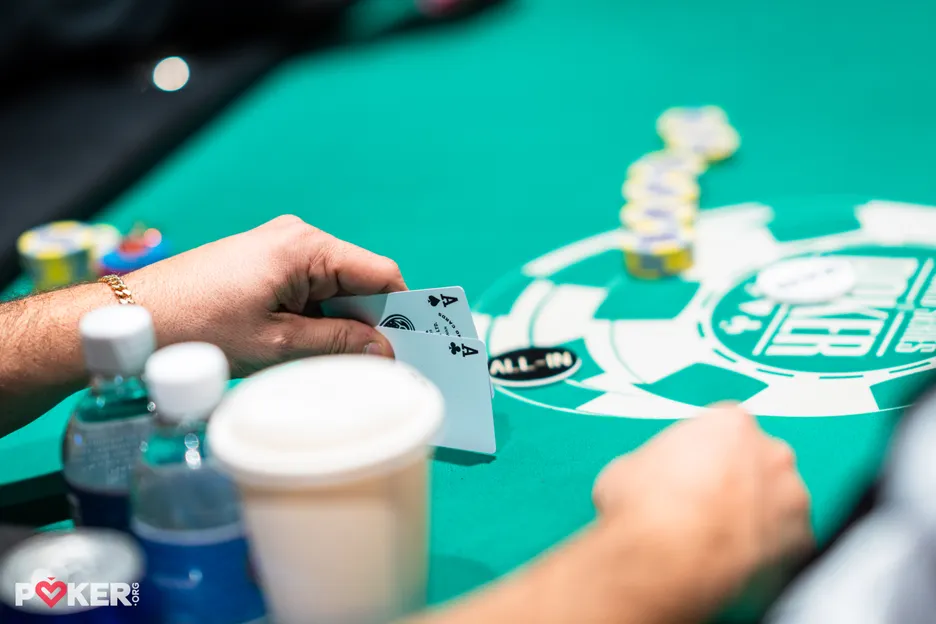
One of the easiest ways to stop giving away information is to wait until the action reaches you before looking at your cards. This prevents you from unconsciously signaling what you intend to do before the players ahead of you have acted.
I was playing in a low-stakes game in upstate New York recently, and I kept effectively moving up three or four positions because players were looking at their cards early and preparing to fold. Before the action even reached me, I sometimes knew that several players behind me had no intention of entering the pot.
That is incredibly useful information for an experienced player. If I know the players behind me are folding, I can open more hands, attack blinds more aggressively, and take spots I otherwise might have passed on.
It got even worse because some players were reacting to my movements. If I shifted in my seat as though I were preparing to fold, I could occasionally see somebody behind me getting their cards ready for the muck because they assumed the action was about to move to them.
Don’t give observant opponents that information. Wait until it is actually your turn, look at your cards, and then make your decision.









2. Create the same physical posture every time
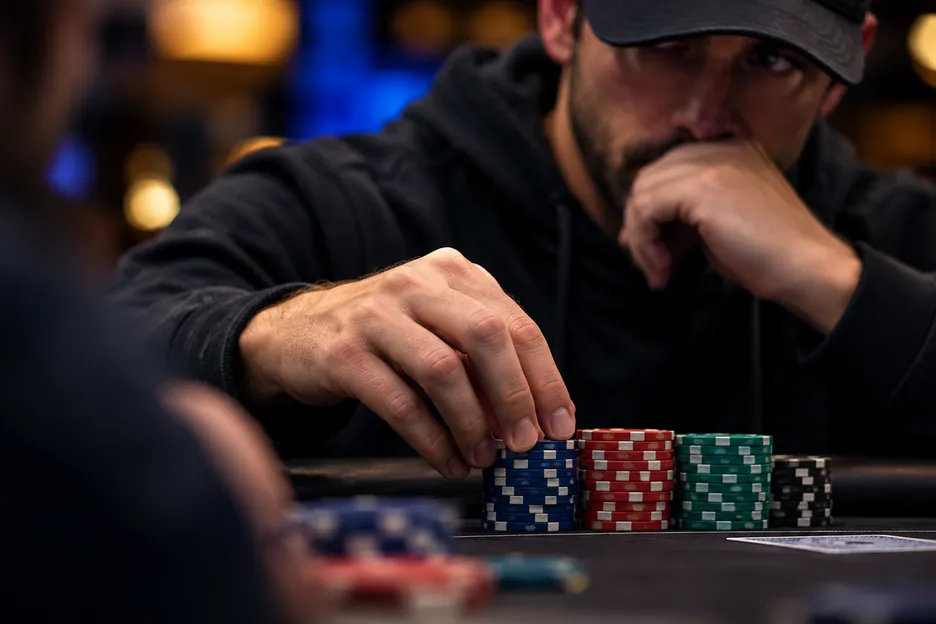
A friend of mine recently told me that he doesn’t completely trust his poker face, so he came up with a simple solution. Whenever he was involved in a pot, he adopted basically the same posture with his hands resting near his face and his baseball cap limiting how much of his expression opponents could see.
I couldn’t get anything from him.
That approach can be surprisingly effective because you don’t need to become an expert actor if you simply reduce how much information is available. If you have subtle facial reactions when you bluff, make a huge hand, or see a scary river card, a consistent posture can make those microexpressions much harder to detect.
The important part is consistency. If you suddenly cover your mouth only when you’re bluffing, congratulations — you’ve just created another tell.
Find a comfortable posture you can use regardless of whether you have the nuts, complete air, or something in between.

3. Take the same amount of time before betting
Timing tells are everywhere in low-stakes poker. One of the simplest ways to eliminate them is to develop a consistent pause before putting chips into the pot.
You can count to three in your head. You can count to five, or you can use some other short routine that feels natural.
The exact number isn’t important. What matters is that your timing doesn’t suddenly change based on how difficult or exciting your decision feels.
A lot of players act instantly when they have an obvious value bet but suddenly become extremely deliberate when bluffing. Other players do the reverse because they’re trying so hard to make their value bets look casual.
Either way, experienced opponents start noticing the pattern. A standardized routine makes it much harder for them to determine whether your decision was automatic or whether you just spent 15 seconds convincing yourself to pull the trigger.
4. Don’t get your chips ready before the action reaches you
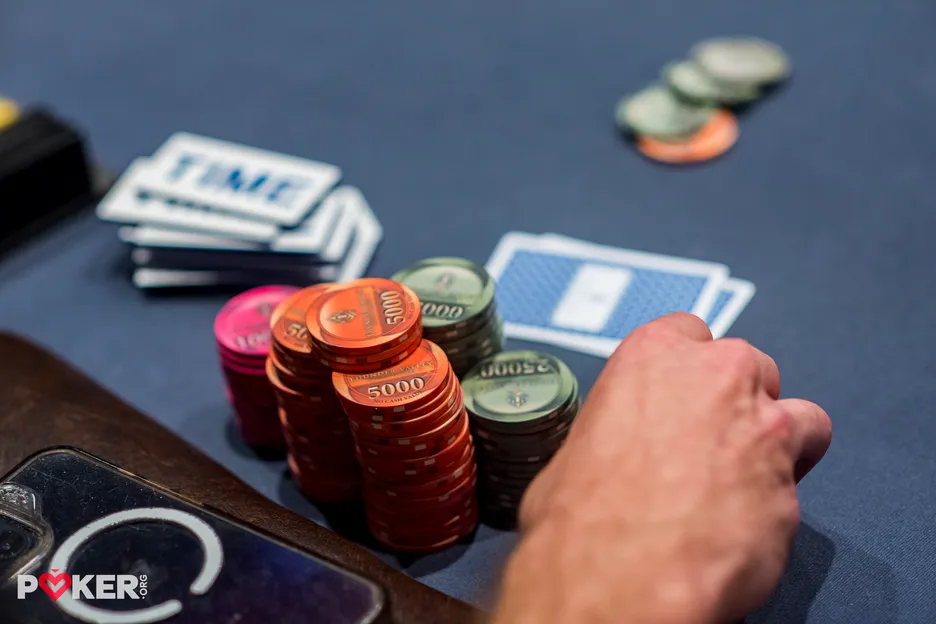
This is another tell I see constantly. Players look at their cards before it’s their turn and immediately start separating chips because they already know they’re going to call or raise.
That gives away an enormous amount of information, especially in multiway pots.
If I’m considering betting and see that somebody behind me already has calling chips prepared, I know they’re interested in continuing regardless of what I do. That can change whether I attempt a thin bluff, make a marginal value bet, or simply check and give up.
The same problem happens preflop. If you start cutting out raising chips before two other players have acted, everyone paying attention knows that you have a hand you intend to play.
Keep your hands away from your betting chips until the action reaches you. Decide what you’re doing first and then move the chips.
5. Handle your value bets and bluffs the same way
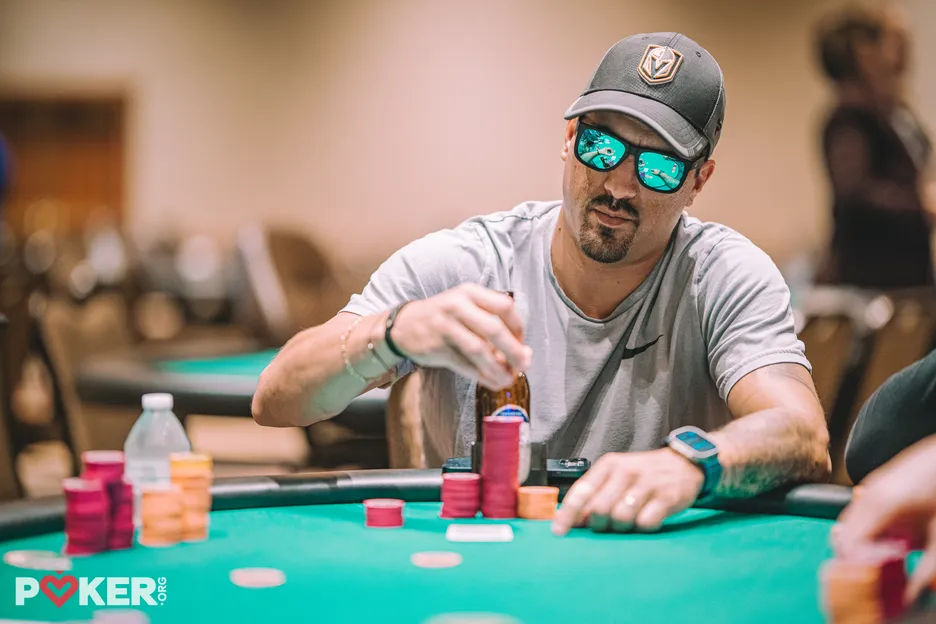
Watch how people physically construct their bets and you’ll notice another common pattern. Many players handle chips very differently when they’re bluffing than when they’re betting a strong hand.
When bluffing, people sometimes freeze, stare at the pot, and carefully count out an exact number of chips. They’re trying so hard to appear controlled that the precision itself becomes suspicious.
Then they make a big hand and everything changes. Suddenly they grab a stack or handful of chips and casually toss the bet forward because they aren’t nearly as worried about what happens next.
Psychologically, that makes sense. When you have a monster, you expect those chips to come back to you along with some of your opponent’s chips, so putting them into the pot doesn’t feel particularly threatening. That's why you're not counting.
When you’re bluffing, those chips suddenly feel a lot more valuable. You know there’s a real possibility that somebody says 'call' and the money is gone.
Don’t let your chip handling reveal that emotional difference. Pick a consistent way to count and place your bets, then use it whether you’re bluffing or value betting.
6. Standardize your calling time too
Betting isn’t the only place where timing gives away information. Calling speed is one of the most obvious tells I see at low-stakes tables.
Players with mediocre pairs or medium-strength draws will often call a flop bet almost instantly. They already know they’re not raising, and they have no intention of folding, so there appears to be nothing to think about.
But give those same players complete air and suddenly they need a few seconds to consider whether they should bluff. Give them a monster and they may also pause because they’re deciding whether to call, raise immediately, or slow-play.
That creates an extremely useful pattern. The instant call begins to represent a capped collection of medium-strength hands while a longer decision becomes more polarized toward very weak or very strong holdings.
This was probably the most obvious recurring timing tell I noticed during some of my recent live sessions. People were practically announcing their hand strength simply through how quickly they called.
Use the same short pause before calling that you use for your other decisions. You don’t need to tank over an obvious call, but a consistent few seconds can prevent an opponent from distinguishing your automatic decisions from your difficult ones.
7. Be very careful about talking on the river
The river is the worst possible time to discover that you aren’t good at acting. If you’re facing a major decision or putting an opponent to one, silence is often your safest option.
I recently played a large pot against a gentleman who started talking to me while I was considering a hero call on the river. As he spoke, it became clear to me that he was having difficulty breathing and talking as naturally as he had earlier.
That additional information pushed me toward believing he was bluffing. I made the call, and he lost a substantial pot.
If he had simply maintained the same posture and said nothing, I would have had much less information to work with. His cards and betting line would have been almost all I had.
Some players are excellent at table talk and deliberately use it as part of their game. But if you don’t have a lot of experience doing that, the river probably isn’t the place to start improvising.
Talking requires breathing, facial movement, eye contact, voice control, and the ability to respond naturally under pressure. Every one of those creates another opportunity to accidentally reveal what you’re feeling.
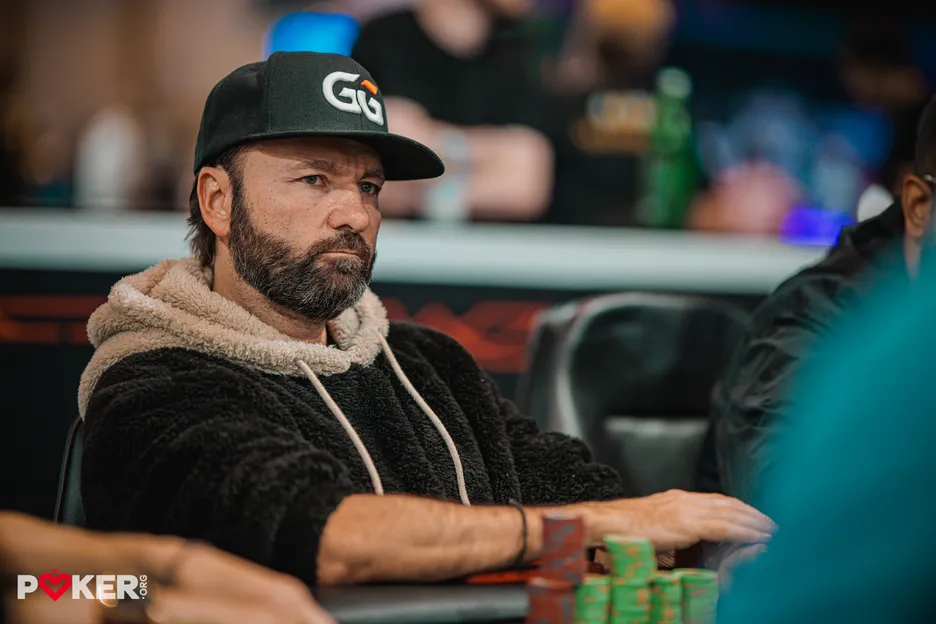
8. Don’t show your opponents that they’ve frustrated you
Your poker face extends beyond the individual hand. Emotional reactions from an hour ago can influence the way somebody plays against you later.
The same player I mentioned earlier had shown me a bluff in a previous hand. I didn’t think I had done anything to warrant the show, so it made me wonder whether I had irritated him somehow and whether beating me specifically had become important to him.
That information mattered later.
When he made the big river bluff against me, I already had reason to believe he might be more motivated than usual to run something against me. Combined with his behavior while talking, that helped push me toward the hero call.
If he hadn’t shown me the earlier bluff, I might never have suspected any of this. He could have been successfully working me all night and I would have had no idea.
Showing frustration, revenge, excitement, or a desire to beat one particular player gives your opponents information about the decisions you’re likely to make later. The best poker face isn’t simply a blank expression while the cards are out—it’s emotional consistency throughout the entire session.
Make yourself boring to read
This isn’t an exhaustive list of every physical or timing tell you can eliminate at a poker table. But fixing these eight areas will take you a long way toward becoming much harder to read.
The goal isn’t to sit perfectly still like a statue or turn every decision into a theatrical routine. The goal is to make the way you look, move, handle chips, and take time as similar as reasonably possible across different hand strengths.
Your strategy might be getting more sophisticated every year, but that doesn’t help as much as it should if your body is telling experienced opponents what your cards are. Standardize your behavior, make yourself boring to read, and force your opponents to make decisions based on your actual poker strategy instead of information you’re accidentally giving away.
Wishing you the best of luck on the felt.
Alex Fitzgerald is a best-selling author published by D&B Poker. Check out Alex’s most recent book, ‘How to Beat Players Who Never Fold.’
Visit pokerheadrush.com and subscribe to Alex's FREE strategy newsletter to receive three FREE training video packs. Follow Alex on X and Instagram.
Feature image created with AI.