Today we’re going to talk about flops that have a flush draw.
A lot of players get confused on these boards. They do not know how often someone actually has a flush draw, and they are not sure what they are supposed to do about it.
Today, we’re going to untangle that.
Here are four things you need to know about flush draw flops.
1. They do not have the flush draw as often as you think
Even if somebody calls you out of the big blind and has pretty much all suited combinations, they are only going to have the flush draw when they call you on the flop about 20% of the time.
If you concoct some Frankenstein range where they are folding mediocre pairs and calling with all flush draws, the highest you would get is around 30%.
But in general, it is usually somewhere between 10% and 20%.
That means you should not become obsessed with the flush draw every time someone calls you on a two-tone flop.
Yes, they can have it.
But they are not going to have it nearly as often as most people think.









2. They are more likely to have pairs than flush draws
It is much easier to make a pair. Let me illustrate that with an example.
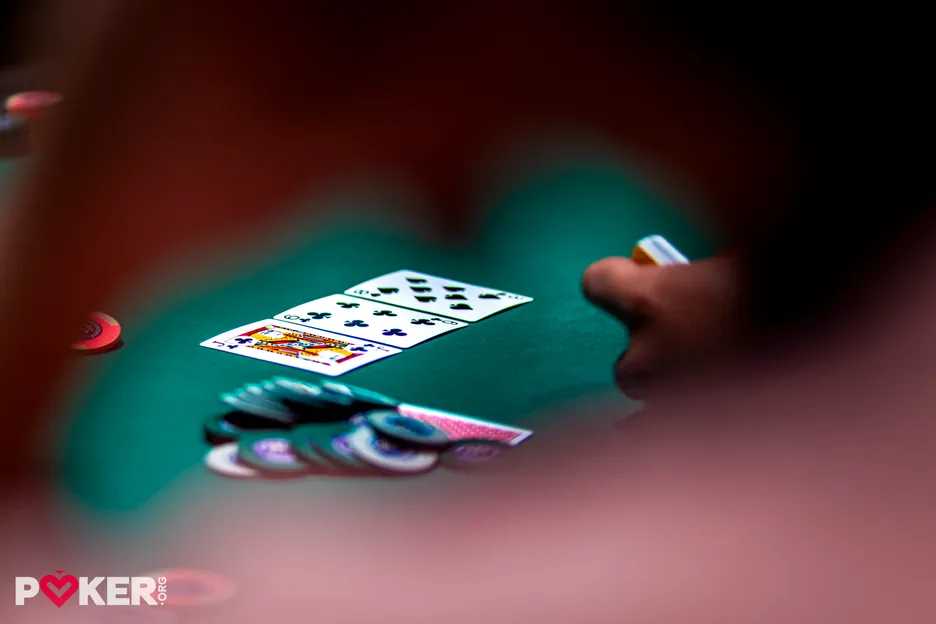
Let’s say the board comes king-high with a flush draw.
Preflop, before the flop comes out there, there are 16 different ways to make king-jack. But there is only one way to make queen-jack suited of the suit on the board.
Do you see why it is much more likely that someone has a pair?
And that is just one pair combination we are talking about. You would have to multiply that across every possible pair combination in their range.
So when you bet a flop with a flush draw and someone calls you, they usually have mostly pairs and some draws.
How many draws do they have?
That depends on how loose your opponent is and how often they want to continue with backdoors and gutshots.


3. Most opponents fast-play sets and two pair on flush draw boards
I have played overseas extensively in my life and spent 10 years outside the United States. I can tell you that overseas, people will set more traps on boards with flush draws.
But in America, and North America in general, that happens a lot less often.
First of all, there are not that many combinations of sets and two pair to begin with. On most boards, all the sets and two pairs together will only be around 10% of the possible combinations.
Then, a lot of the time, your opponent is going to raise with some or all of those hands because they are worried about the flush draw coming in and creating a huge losing pot for them.
Overseas, people may be more willing to set traps.
But North Americans really hate seeing that flush draw come in. I am not sure why, but it seems to send them into a rage.
That means when many North American players just call you on a flush draw board, they often do not have the very strongest hands.
4. Your turn bets should usually be larger
Since your opponent likely would have raised many sets and two pairs on the flop, and since they are calling with a lot of mediocre pairs and draws, you should apply pressure on the turn.
When you have value, bet bigger.
Pairs and draws are much more likely to call a 75% pot-sized bet on these boards.
That is different from dry boards, where you are sometimes trying to get high cards to call when you value bet. High cards will usually not call 75% pot, so you often bet smaller there.
But on flush draw boards, people have more hands that can justify calling larger bets.
Now, you might be asking, 'How big should I bet when I bluff?'
The bet that works best for me when I am bluffing is the overbet. A lot of people do not want to call an overbet with a weak draw or weak pair.
Now, you might be asking, 'If I overbet when I’m bluffing and bet 75% pot when I’m value betting, won’t people notice?'
Online, almost nobody will notice because nobody is paying attention. Live, it is very likely your opponents will not see you run this play enough times to develop a read. They probably are not paying much attention either.
So try it a few times before you worry too much about balance.
Those are all my tips for today.
Wishing you the best of luck on the felt.
Alex Fitzgerald is a best-selling author published by D&B Poker. Check out Alex’s most recent book, ‘How to Beat Players Who Never Fold.’
Visit pokerheadrush.com and subscribe to Alex's FREE strategy newsletter to receive three FREE training video packs. Follow Alex on X and Instagram.