

Alan Longo is a High Performance Psychologist with five years of experience coaching high-stakes poker players. Passionate about sports, he educates and empowers players with the tools to build their mental foundations, professional routines, and competitive planning for consistent, high-level performance. Find out more at his website.
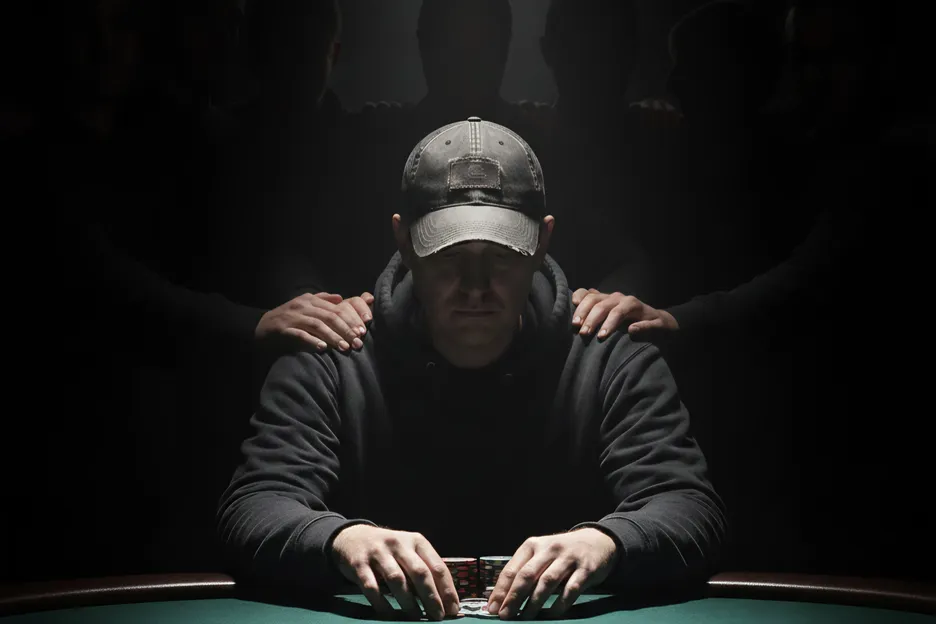
The image of the dedicated poker player often involves working alone: an individual battling opponents and the full force of variance, relying entirely on technical skill and mental strength. It’s an attractive narrative of independence, but from a psychological perspective, it limits your potential.
While the technical aspect of the game is non-negotiable, the challenges that truly derail promising careers are usually structural and emotional issues.
Inconsistency, the serious impact of downswings, and professional burnout often surface when a player lacks effective support.
This is why group collaboration is changing from an optional study method to a key part of a professional career. This article explores the dual benefits of a structured work group, focusing on how it protects your mental energy and helps you grow your strategy faster.
The psychological buffer: Building resilience against variance
Poker is one of the few professions where the quality of your work can go unrewarded for extended periods. This environment creates a psychological strain that no solo study session can alleviate.
Countering isolation and emotional strain
Every professional needs connection. When a player feels isolated, bad moments become internal. This can quickly fuel feelings of inadequacy and anxiety, as there is no reference point outside of one’s own mind.
A dedicated work group counteracts this by providing a safe, objective space. Simply sharing a bad beat or discussing a long losing streak with peers who understand the professional reality of the game offers strong support against emotional fallout.
It makes the struggle feel normal, preventing small setbacks from becoming big identity issues.
Working with emotional strain
When frustration or tilt appears, the internal response is often chaotic. The best way to handle intense emotions is not by holding them in, but by talking about them.
When you are accountable to a group, you are required to present and discuss a challenging situation with clarity and objectivity.
This simple act of verbalizing the event — explaining why you chose a specific line and how you felt — forces you to work through the emotion rather than simply react to it.
It shifts the discussion from impulsive feeling to clear analysis, which is the foundation of solid emotional regulation.









The performance edge: Accelerating strategic growth
While the mental game benefits are essential for career longevity, the strategic advantages offered by collaboration are what truly drive accelerated development.
Building confidence through shared success
Confidence is key for making complex, high-pressure decisions consistently. One of the most effective ways to develop it is through personal achievements. However, another powerful source is observing others succeed: seeing people similar to you achieve success.
In a group setting, when you watch a peer use a plan and get a positive result, it reinforces your belief that you can do the same. This is much more potent than watching general training videos. The shared learning environment makes challenging concepts feel achievable, which helps you approach the table with greater confidence in your strategies.
Different perspectives — fix your blind spots
As an individual, your experience is fundamentally limited by your own thinking biases and blind spots. You are naturally inclined to search for information that validates your current approach.
A group of competent, committed players introduces the necessary diversity of thinking. They will inevitably approach the same problem from different angles, challenging your assumptions and forcing you to defend your reasoning. This method of presenting, debating, and defending strategic concepts leads to:
- Deeper understanding: You must master a concept to teach it or defend it.
- Faster correction: Blind spots, tilt patterns, or strategic leaks are often immediately obvious to an outside observer but invisible to the player.
- Innovation: The fusion of different ideas can lead to new, groundbreaking strategies faster than working alone.
Structured discipline and process orientation
For many professional players, the biggest problem is not skill, but a lack of consistent, structured discipline. A dedicated work group shifts the focus from volatile results to consistent processes.
When you know you have a group meeting where you must present a session, review hands, or discuss your study plan, it builds disciplined study habits outside of the group setting.
This external accountability is a strong force for maintaining high-performance habits.
Building the right high-performance group
The benefits described depend on the quality of the group. A casual chat among friends, while enjoyable, will not produce the same professional outcomes. An effective high-performance group requires:
- A 'growth mindset': A commitment to seeing mistakes as valuable information for improvement, not as personal failings.
- Professional commitment: Treating the group as a professional engagement with clear goals, confidentiality, and respect for others' time and expertise.
- Willingness to be vulnerable: Real progress requires honest self-assessment and a willingness to discuss emotional challenges and strategic errors without fear.
The next step: Building your professional structure
Sustained success in modern poker requires players to be both smart strategists and mentally strong athletes. The solo player model struggles to meet this complex requirement, especially during periods of high variance or pressure.
Building a peer group that offers this level of professionalism and expert focus is often the hardest step. For those committed to achieving long-term growth and consistency — by mastering the mental side of their game — a structured Group Coaching program provides the exact expert guidance, accountability, and clear plan needed for sustained top-level performance.
For dedicated players ready to take this crucial step, I am currently launching my new Group Coaching program designed specifically to help you master the mental side of the game. Ready to commit to your long-term consistency? Learn more and explore the details here.


