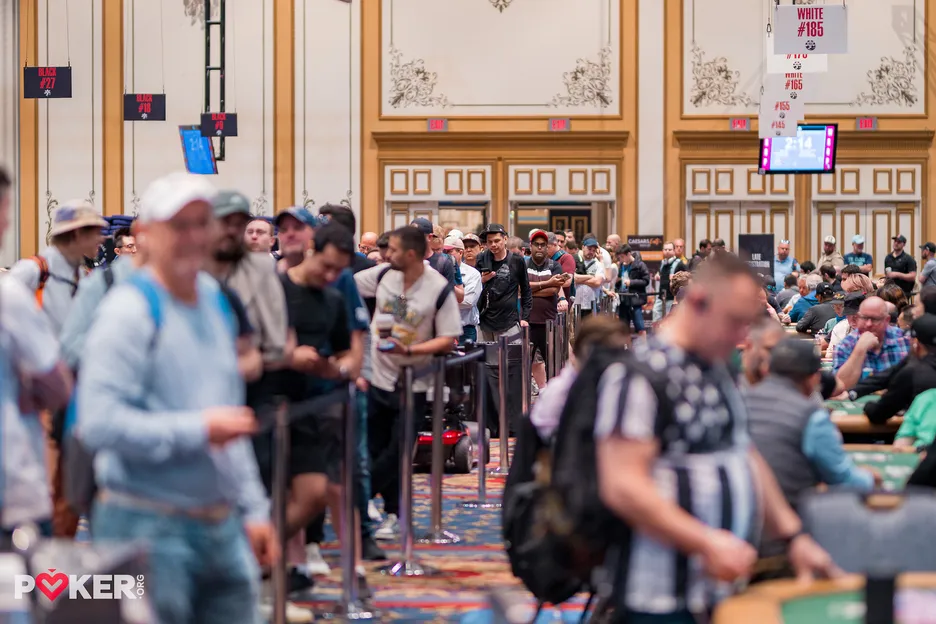


By day three you’re not sure what’s wrong exactly.
You’re not sick. You’re not tilting. The cards have been fine. But something is off and you can’t put your finger on it. Your patience is shorter than it was on day one. You’re folding spots you should be playing and playing spots you should be folding.
You tell yourself it’s variance. It’s the grind. It’s just how a long series feels.
Here’s what’s actually happening.
You flew in two days ago and went straight to the casino. You ate whatever was closest to the tournament floor that first night. Day two you grabbed something from the food court between sessions.
Last night you got back to the hotel at midnight, ordered room service because you were too tired to think, and ate something heavy that wrecked your sleep. You woke up this morning with nothing in the room, no plan, grabbed a coffee and a granola bar from the lobby on the way out.
You’ve been running your brain at full capacity for three straight days on casino food and broken sleep. And you’re wondering why level eight feels harder than level two.
That’s not variance. That’s accumulated damage from three days of treating your body like an afterthought.
The hardest environment to get right
You have a hotel room, a casino food court, and a schedule that changes every day. Most players use that as an excuse to do nothing.
They figure it out on the fly, which means they don’t figure it out at all. They eat whatever’s convenient, sleep whenever they can, and chalk up the cognitive decline by day four to the natural wear of a long series.
It isn’t natural. It’s preventable. And the players who have figured this out are operating in a completely different gear by level eight of a deep run.
The environment is genuinely hard, but you have more control than you think. You just have to decide to use it before you land.






The room sets up everything else
When you book your hotel, book one with a microwave and a fridge. Not a preference. A non-negotiable. For a series running a week or longer, a short-term rental or extended stay with a full kitchen is worth the extra cost and the extra distance from the casino.

When you land, do a grocery run before anything else. 20 minutes at the store, or order through Instacart or Walmart delivery while you’re still in the air. Either way, you walk into that room with food in it.
Here’s what you’re stocking. Instant oatmeal and protein powder for breakfast. Greek yogurt and berries. Low-carb wraps and deli turkey. String cheese. Almonds. Protein bars.
You’re not meal prepping. You’re not weighing anything. You’re just making sure the right food is the path of least resistance when you wake up with an hour before registration.
The mindset shift is simple. Stock your room like you planned to be there. Because you did.
Most players walk into a hotel room and treat it like a layover. They live out of their suitcase and eat like they’re at the airport. The players who treat the room like a performance base, even a basic one, are set up differently from the moment they wake up.
Before you play: Move your body
This is the part most players skip entirely and it’s the one that pays off the most quietly.
You don’t need an hour. You don’t need a full gym session. 15-20 minutes before breakfast is enough to wake your nervous system up, sharpen your focus, and set a completely different tone for the day.
If the hotel has a gym, use it. A quick session on the bike or treadmill, some light lifting, done. If it doesn’t, your room works fine. 10 minutes of bodyweight squats, push-ups, and lunges is not glamorous but it gets blood moving in a way that sitting in a poker chair for 10 hours simply does not.
The players who do this consistently report feeling sharper in the early levels. Less fog. More patience when the session gets long. The investment is 20 minutes. The return shows up at level seven when everyone else is starting to fade and you’re still locked in.
Move first. Then eat your protein rich breakfast. Then go play. In that order.
The backpack is your edge on the floor
Leave your hotel room loaded every single tournament day. Two protein bars with around 20 grams of protein each. A couple servings of beef jerky, low sugar. A handful of almonds. A bag of Quest protein chips if you want something that feels like a snack. A turkey wrap in an insulated bag if you have one.
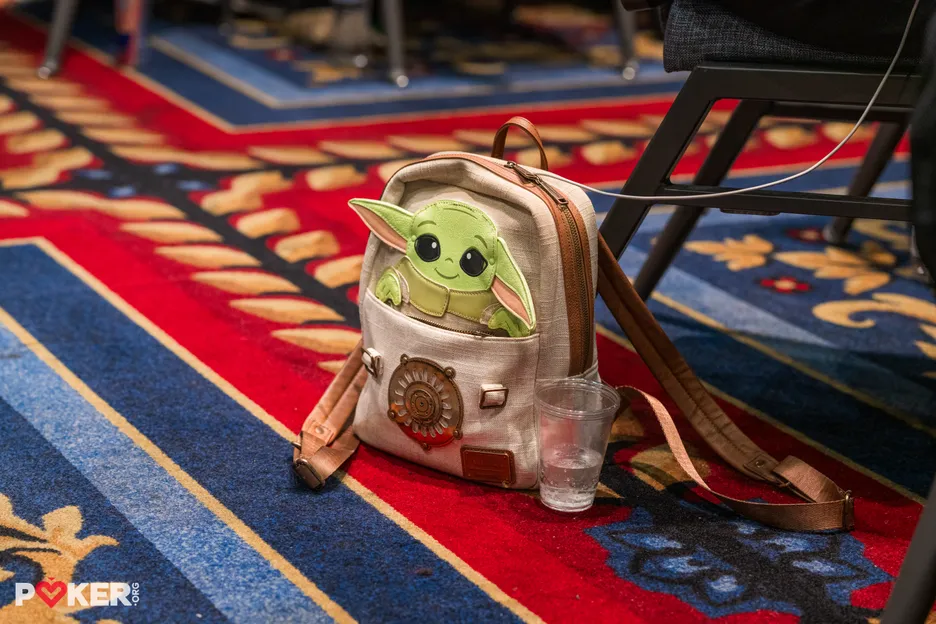
You don’t need to leave the floor on break. You don’t need to fight the food court line with 400 other players while the clock runs. You have what you need in your backpack and you can walk and eat on the 15-minute break instead of standing in line stressed about making it back in time.
The players who have this dialed in are never making food decisions from hunger during the session. They arrive at the dinner break hungry but not desperate. And that’s a completely different decision than the one most players are making when they pour out of the tournament room and head straight for whatever’s closest and smells the best.
What you’re actually competing against
Every player in that tournament room is dealing with the same environment. The casino food. The weird hours. The unpredictable schedule. The late nights and early registration times. None of it is easy for anyone.
The difference is who thought about it before they landed.
Most players are reactive. They eat what’s there, sleep when they can, and hope their poker game is good enough to overcome the physical drag they’re running under.
You already know how to play. You’ve put in the work on the game. The question is whether your body is going to let your brain execute what you’ve learned when it matters most. In level 18 of a day three deep run, when the pressure is high and your patience needs to be at its peak.
That edge isn’t in a solver. It’s in the grocery run you do when you land.
The full system for eating around a tournament series, including a foolproof grocery guide, a restaurant cheat sheet covering 96 restaurants with specific orders, and a session snack system organized by break format, is all free at thefitnessjurk.com/fittoexecute.
Built for poker players. Not generic fitness advice with a poker hat on.


