


Action clocks were a hot topic at the end of the 2026 World Series of Poker Main Event when introduced in response to a player tanking for upwards of 15 minutes on a pay jump during Day 6.
WSOP organizers introduced the clocks and time banks at the start of Day 7, as a direct reaction to the stalling. The decision was met with plenty of reaction – most of it negative.
The overwhelming majority of the negative takes came in regard to the reactive nature and timing of the introduction of the time banks, not the actual implementation.
The WSOP then removed them before the start of the final table in another abrupt alteration of the rules, stirring further backlash.
Fast forward to September, and with plenty of notice and a bit of a test run in some side events, the world's biggest poker brand has introduced action clocks and time banks into select Main Events on the WSOP Circuit.
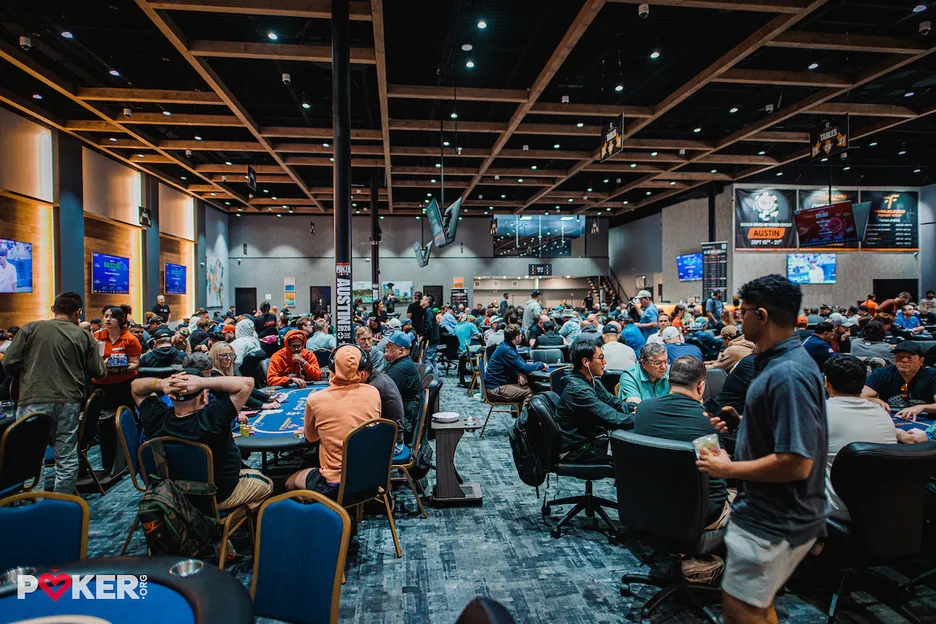
The recent series at TCH Social Austin served as the tour's guinea pig.
How WSOP Circuit action clocks work
In their Circuit Main Event debut, the WSOP action clocks were introduced at the beginning of Level 16, the penultimate level of Day 1s, with players allowed 15 seconds to make a preflop decision and 30 seconds for each subsequent action.
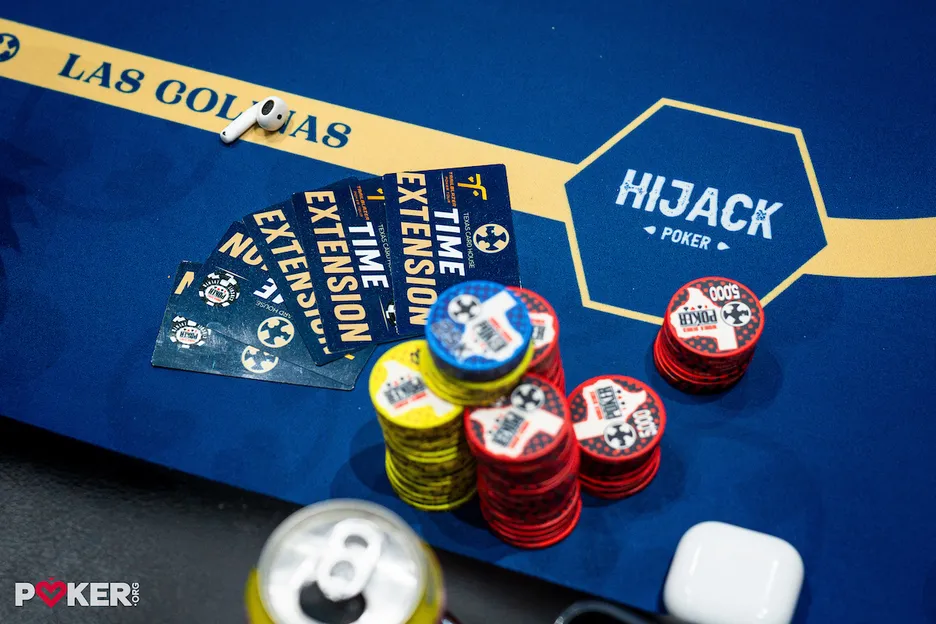
Players were also given five 30-second time-extensions at that point, along with five more once play reached the final three tables of the tournament, and an additional five for the final table.
Should a player’s allotted time expire without any time extensions available, their hand would be declared dead.
For the most part, these are essentially industry-standard rules – and are widely employed by tournament organizations that have utilized these time management tools.









Near unanimous positive reaction
Knowing that the shot clocks were to be used, as explained in the WSOP tournament rules, left none of the surprise that was one of the main reasons for online vitriol and criticism in the summer.
They were there for the benefit of the players, to prevent tanking in monetarily significant spots such as the money bubble and the sizable pay jumps of the biggest $1,700 Main Event in Circuit history.
And before they receive another run at the upcoming WSOPC Thunder Valley Main Event, initial reviews are in from players we spoke to in Austin.
The action clocks are a hit, albeit with the understanding that everything new might take a bit of getting used to.
2025 WSOPC Council Bluffs Main Event champion Ryan Brown: “The shot clock is a great thing for the players. I realize it's kind of tough on the operators and definitely a little harder on the dealers, but for the players it greatly improves the experience, especially around the bubble and final table time.”

4-time WSOP Circuit finalist Debbie Lee: “I am 100% pro shot clock! I think that anytime you implement a new system, there could be some people that are a little bit confused or wary of how to do it, but once you do it, once everybody does it, just like when we added the big blind ante now instead of all the antes before, some people complained about it, but it’s such an easier system now.”
2026 WSOP Main Event champion Lucas Jumalon: “I think it’s wonderful, and more Circuits need to do it. I think people need to start getting used to it.”

13-time WSOP Circuit ring winner John Holley: “I love ‘em. In a big field like [at TCH Social Austin], if they didn’t have them, we might still have 40 players left at 2am [for Day 2].”
3-time WSOP Circuit ring winner and MSPT Main Event champion Aaron Massey: “It seems normal. They’ve got shot clocks in most tournaments these days, so it seems necessary.”
Ironing out wrinkles before becoming a Circuit standard
Some minor concerns were expressed, including suggestions that more time preflop should be allowed, more time banks be offered later in the tournament, and that the timing of the clocks' implementation could be adjusted as to discourage players from using their 15/30 seconds to purposely stall when too far from the bubble.
These are all things that WSOP staff will consider as they move toward making the clocks a standard practice at all Circuit Main Events.
“We decided to experiment with action clocks this season to gauge player feedback and how it affected some of our marquee events,” said WSOP US Circuit Manager, Terrance Reid.

“This year, we're using them at least at TCH Austin and Thunder Valley. There are always pros and cons to action clocks, but overall feedback has been very positive. Using them at the Circuit also gives some low-to-mid-stakes players their first chance at playing with action clocks. We're always looking at ways to improve player experience on the Circuit, and action clocks at all stops is a possibility in 2027."