


Jared Bleznick has never been afraid to speak his mind, and now he's taking aim at one of poker's most respected voices.
He believes that poker commentary is failing to attract new audiences – and even Nick Schulman, widely regarded as one of the best in the business, isn't immune to his criticism.
Speaking on the Late Reg poker podcast with hosts Phil Laak and Brian Rast, Bleznick defended his own unfiltered approach while questioning the current style of high-level analysis.
"Poker commentary is horrible, across the board," he said.
The way he does commentary, Bleznick goes on to argue, is far more likely to attract new viewers to the game.
'It's about the entertainment'
As Bleznick sees it, his style in the booth is more entertaining, more accessible, and more authentic to non-professional audiences.
During the conversation with Laak and Rast, he quickly pivots to a question to illustrate his point.
"Who's the best commentator in poker?" he asks.
They respond, nearly simultaneously, with the same answer: Nick Schulman. You'd be hard-pressed to find many in the poker community who would say otherwise.
Even Bleznick agrees. His grievance isn't specific to Schulman, but rather to the standardization of a particular commentary style that he believes limits poker's appeal to wider audiences.
"The problem with poker commentary is that everyone that's doing it is all focused on the poker," he says. "They're all doing it wrong, every one of them. It's not about the poker, it's about the entertainment."
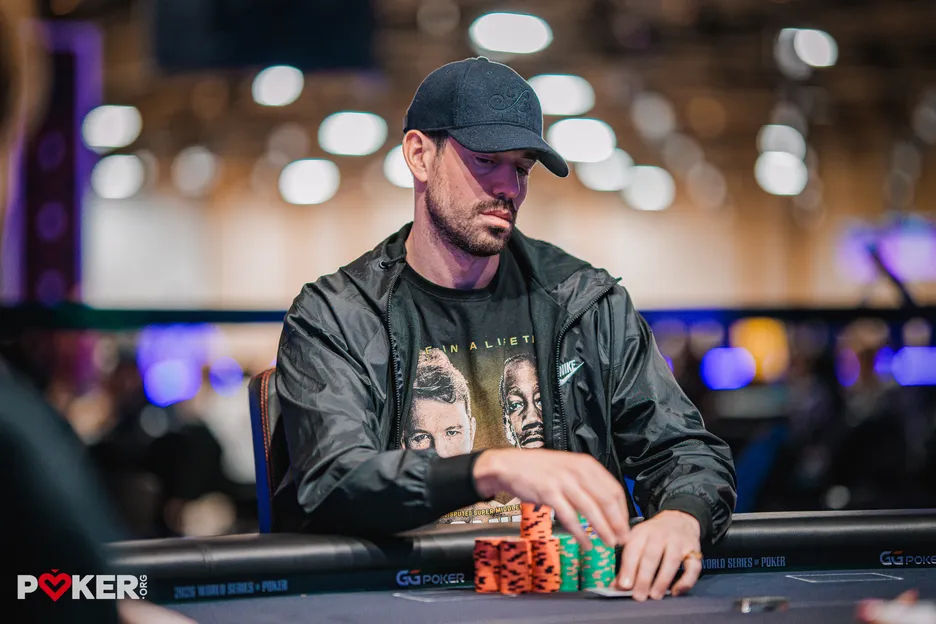
While the analytical approach to commentary is generally appreciated by like-minded poker players who already have a vested interest in the game, Bleznick thinks that in order to grow the game, commentators need to put entertainment first.
He believes the key to attracting new viewers is using the action at the table to entertain them, rather than focusing on theoretical concepts and hand ranges.









Why Bleznick thinks Schulman is too technical
Bleznick hammers home his belief in the value of entertainment over analysis.
"My point is that to poker players Nick Schulman is the best. I love Nick, I don't want to be disrespectful... what makes Nick great is that he's one of the best players in the world and he's a good speaker and he knows what he's talking about, but you're not going to watch Nick and be like 'Holy f**k, I was so entertained' as a non-poker guy."
The existing audience shouldn't be a commentator's target, Bleznick continues: "You've already captured all the poker players. It doesn't matter who's commentating, they're already watching."
Bleznick's argument raises an interesting question: can poker attract a mainstream audience when its broadcasts increasingly cater to viewers who already understand the game?
"Nick Schulman is not good for a guy that doesn't know poker, you know why? Because he talks on too high a level... when he's talking about ranges and spots, an amateur player has no idea what the hell he's talking about."
Bleznick finishes by making his pitch.
"How do you bring in the amateur player that doesn't know poker? What do you do? You do what I do. It's not about the poker, it's about entertainment and getting people engaged. That's what I do."
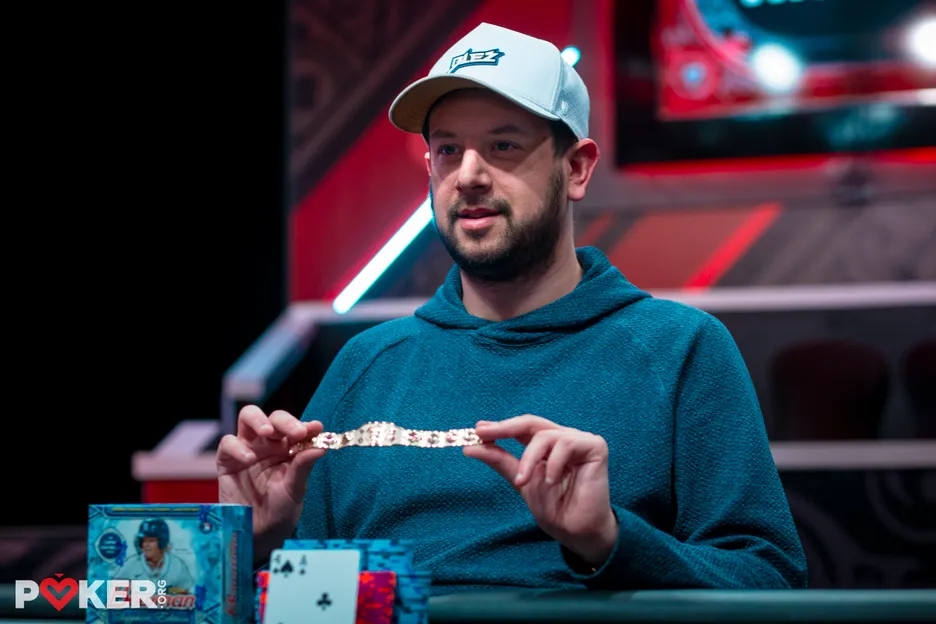
The Bleznick divide
While he believes he's part of the solution to poker's outreach problem, Bleznick's approach to commentary isn't for everyone.
During the $250K Super High Roller at the 2026 World Series of Poker, Bleznick drew criticism from parts of the poker community after repeatedly questioning the broadcast team's decision to switch coverage to the Seniors High Roller.
Bleznick's commentary that day struck many as disrespectful – but there were others who found his authenticity refreshing.
"He's not polished. He’s not politically correct. He’s not always right. But he’s real and that counts for something," wrote recreational player Mathew Cusson in an opinion piece for PokerOrg.
In an interview with PokerOrg's Craig Tapscott recorded just a few days prior to Cusson's article and weeks after his controversial moment in the booth, Bleznick remained confident in his abilities behind the microphone.
"This may sound cocky, but I could be the best commentator in the history of poker," he said at the time.
Is Bleznick right that poker needs more entertainment and less analysis – or is Schulman's approach exactly what the game needs?