

Name: Often a cool phrase relating to poker but with another meaning, like No Limit, Nosebleed or One of a Kind.
Age: 52.
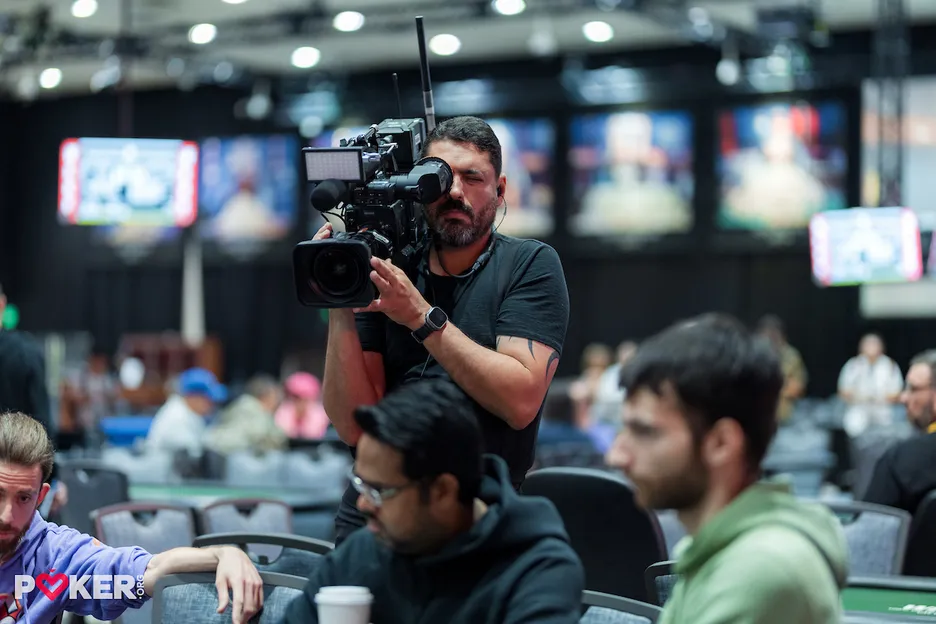
Appearance: People playing poker, shoving stacks, doing chip-tricks in slow-motion and speaking to off-camera interviewers in a room that appears to contain only a single chair.
Wait, there were poker documentaries over 50 years ago? Indeed there were, or at the very least, was. Sports Spectacular: World Series of Poker is generally believed to be the first poker documentary, and that came out way back in 1973.
Who was the narrator, Abraham Lincoln? Now, now, it’s not that long ago. The narrator was Jimmy ‘The Greek’ Snyder, and it covered Puggy Pearson’s win in the Main Event. It’s under an hour long, was produced in association with Binion’s Horseshoe Casino, and you can watch it now on YouTube.
That sounds… not that different from a lot of other poker documentaries? If there’s a problem with poker docs, that’s pretty much it. It’s great that they’re generally short and snappy, and available for free at YouTube, but there’s a reason that’s where you’ll usually find them.
Because traditional TV is dying? Well, yeah, but also because big streaming services aren’t funding these shows.
So, who is funding them? Just like how Binion’s Horseshoe helped produce that early documentary on the WSOP (which, in case you didn’t know, happened to be organized and held at Binion’s Horseshoe), a lot of the current crop of shows are backed by big operators in the poker industry. Two big new ones have launched in the last couple of weeks, one with the cooperation of the WSOP and one from GGPoker. GGPoker owns the WSOP, by the way.
Is that relationship a good thing, or a bad thing? It’s great in that it helps the filmmakers gain access to a lot of high profile players, as well as letting them cover the action at the tables up close with the blessings of the tournament organizers.
There’s a ‘but’ coming , isn’t there... The trouble is, that relationship with the organizers can potentially paint you into a bit of a corner when it comes to criticism, accusations of promotion, pretending other brands don’t exist, or depicting the company in anything other than a positive light. Some have accused recent documentaries of being little more than commercials for the poker companies that worked with them.
That sounds a little harsh. I thought so too, but it turns out some of them have real, actual commercials in there, mixed in with all the interviews, bad beats and table talk.
Commercials? That’s not what I expect from YouTube Premium! But it’s what we should expect from a lot of content these days, wherever we watch it. Coca-Cola paid for characters to drink it in The Bear, General Motors provided the cars to be driven by Barbie, while Emily In Paris on Netflix had an estimated 37 different brands getting in on the action.
So what’s the answer? Forget the close-up access and film from outside the casino with a super-long lens? If there was an easy answer — like just filming poker content on your phone, for example — then everyone would be doing it. (Actually, come to think of it, maybe everyone already is…)
Sure, but can they break through to the mainstream? That’s surely the goal for pretty much anyone in poker media. After all, growing poker is good for all of us — it means more players, more games, and more places to play them. Operators want that just as much as the players do. Paradoxically, they may need to be prepared to show a little more of the ugly truth to really sell it, though.
Do say: “Coming up: The most exciting poker hand you’ve ever seen in your life…”
Don’t say: “...but first, a word from our sponsors.”


