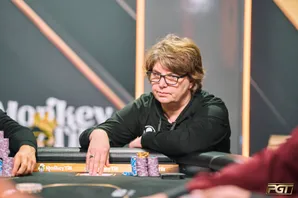
A controversial ruling involving Victoria Livschitz at the APT Championship 2026 Main Event Freezeout this week highlighted exactly why we introduced a new TDA rule governing all-ins.
Facing a bet on the river, Livschitz put in a small amount of chips and said 'all-in'. Her opponent nodded at the dealer and turned over his cards.
Livschitz said that she checked with the dealer to confirm her opponent had called before exposing her own hand. However, the floor subsequently ruled that her opponent had never called the all-in.
Livschitz explained her frustration in a lengthy post on X, but did the floor get it right?
What happened at the table?
Livschitz announced all-in and put in all of her lower-denomination chips. From what I can see, those chips weren't even enough to cover the bet.
Her opponent appeared to assume he was being called and flipped his cards over.
Livschitz herself said that she did everything she could to confirm it was a call before exposing her cards – which is exactly what you should do.
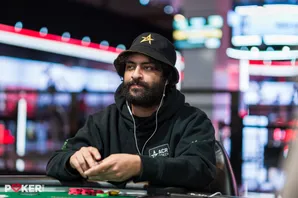
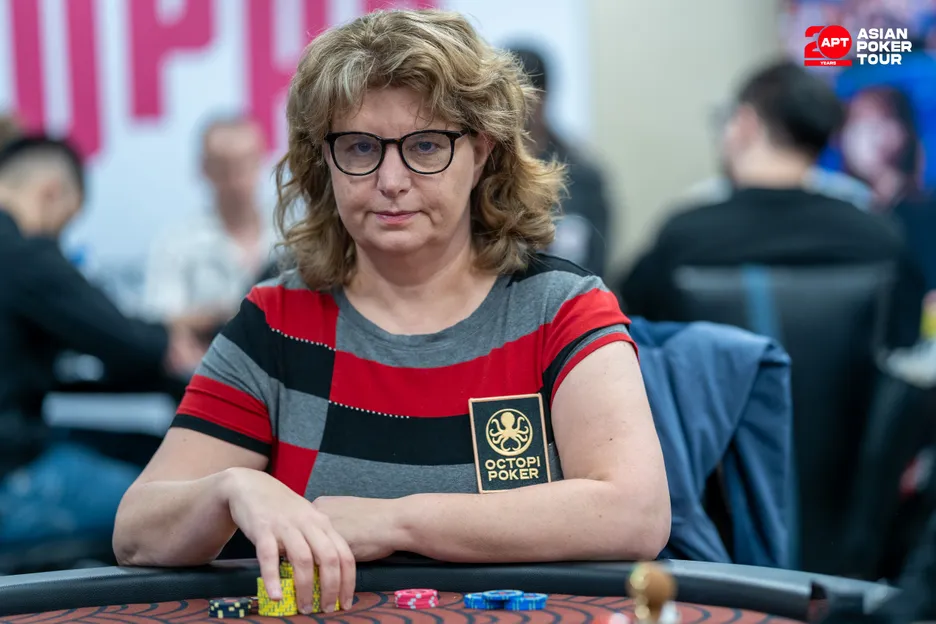 Victoria Livschitz, CEO of Octopi Poker, was involved in a controversial hand during the APT Main Event.





Why we introduced the new TDA rule
While the APT was not operating under TDA rules, this is exactly the kind of situation we discussed when I went over the new TDA rules in a previous article for PokerOrg.
Under the new rule, if you're going all-in, you can do it in one of two ways:
- Put in every single one of your chips.
- Put in none of your chips and verbally declare all-in.
We came up with this rule because of situations like the one involving Livschitz, where a player just puts in some of their chips.
Who's angling who?
I said at the time that, at some point in the future, tournament directors reviewing situations like this might consider the potential angle to be coming from the player putting in fewer chips while declaring all-in.
That’s not the situation with Livschitz in this hand. Players have been used to doing what she did with her chips for so long, and you can't undo years of habit overnight.
But once the new rule becomes more widely adopted and understood, tournament directors operating under those rules may start to look at that action differently.
Of course, there's also the potential for an angle from the other side if a player gets to expose their cards, see their opponent's hand and then decide whether or not to call. I want to make it clear, though, that Livschitz didn't accuse her opponent of doing this.
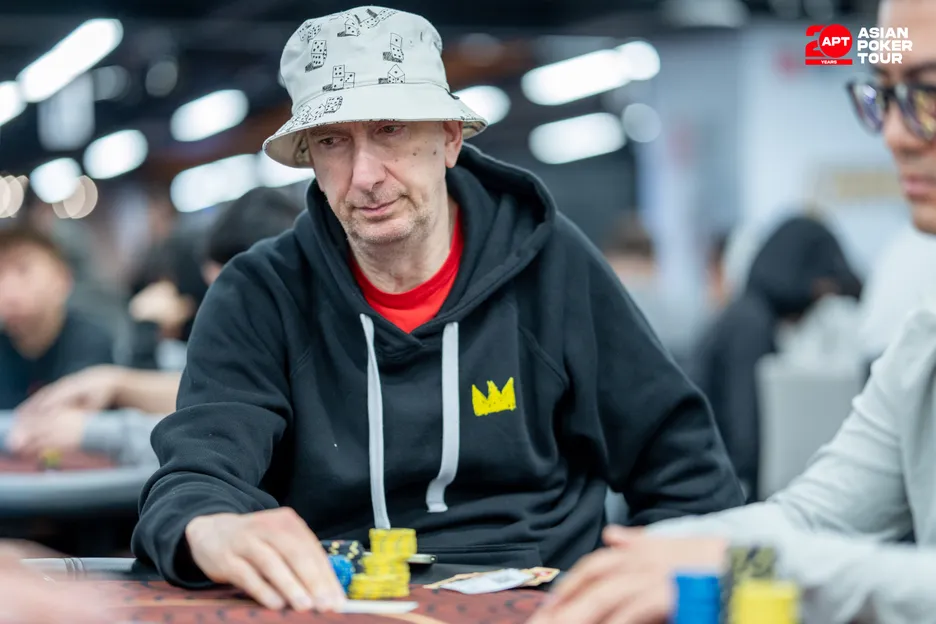 The APT Championship Event, which attracted stars such as Erik Seidel, surpassed its $5M guarantee for a second year in a row.
Did the floor get it right?
From the accounts of those involved, three different members of the floor staff were consulted, including the APT tournament director. They all reached the same conclusion.
Based on all the information available to me, they got the ruling right. And it's the same ruling I would have made in that situation.
Even if Livschitz's account is 100% accurate – and I have no reason to believe that it's not – and she confirmed with the dealer that it was a call before exposing her cards, her opponent never verbally declared a call or put any chips into the pot.
He flipped his cards over, which is what you would do if you thought you were being called or if you were folding.

It would be really tough to tell her opponent, ‘I know you never put any chips in. I know you didn't declare a call, but since she checked with the dealer, you're gonna have to put your chips in.’
Based on the information available, we can't force that player to call.
It’s something that I hope comes up as rarely as possible, but what a dealer says or does when they’re wrong does not overrule the visual aspect of the game.
The new TDA rule is designed to help prevent situations like this. And while it's generally safe to assume the dealer is giving you accurate information, in those rare instances when they aren't, the actual actions of the players still take precedence.
Justin Hammer is the Live Events Director for PokerAtlas, an online tournament director for the Texas-based poker app Hijack, and a tournament director at Thunder Valley Casino Resort. He also works as a consultant and is a minority owner of Desert Bluffs Casino in Kennewick, Washington.
For more info visit PokerAtlas.com, HijackPoker.com, and bluffs.poker. Follow Justin on X.