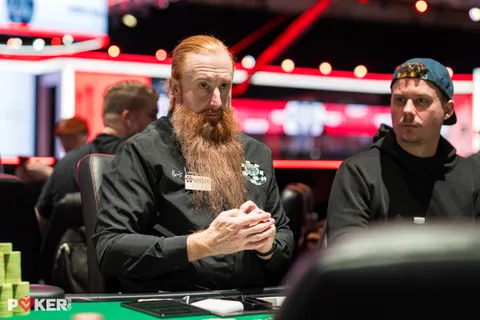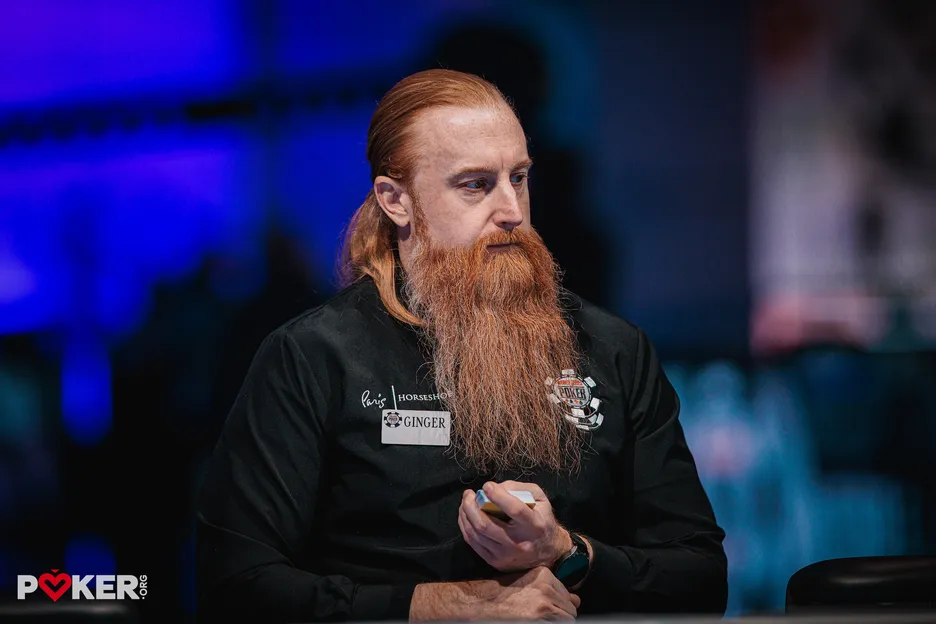


Follow along with Christopher Keem all summer long as he gives an inside look at the life of a dealer at the WSOP.
It's crunch time.
From here until the WSOP Main Event, it'll probably maintain that regular groove of working longer hours, and I will probably be picking up an extra day or two. And then Main Event week is when it just all goes crazy, but in a good way!
Days off are essential, but sometimes our off days aren't exactly off days.
Some of us are taking shots of our own when we aren’t dealing. You grind 10 or 12 hours a day here, and then on the off day, the grinds are just as long on the other side of the table — if not longer sometimes. For my days off this week, I went and played in a tournament at South Point.
This week I was the bubble boy. For explanation, the bubble is the last person in the tournament to not get paid. I played the 6pm flight and bagging was after 3am, so not exactly a recharge situation.
But because I didn't make Day 2 of the tournament, I was able to go to a concert last night at the House of Blues at Mandalay Bay and revisit the late 90s with Our Lady Peace and the Verve Pipe.
Other times, days off are just a chance to catch up on all the errands we didn't have time for otherwise. You're doing laundry, going grocery shopping, maybe getting a haircut if you're not me.
Continued growth
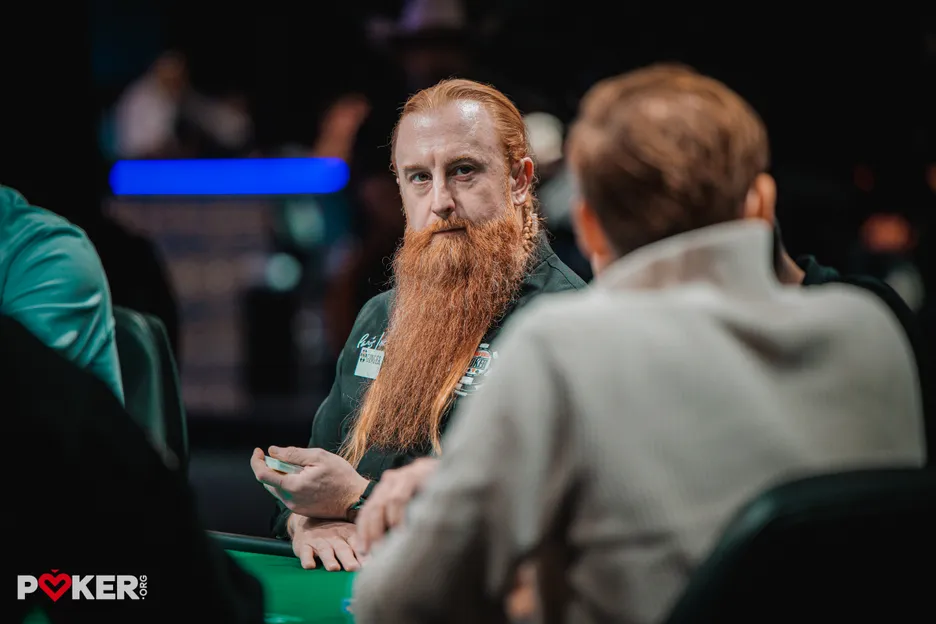
One major goal I have for this year is to try to get back to some of that first-year appreciation. The first year I dealt at the WSOP, it wasn’t about the money; it was all about the experience. At some point, you get used to everything, and you don't appreciate the unique experience as much. But you do have to recognize that this is a really cool situation.
If you are a poker nerd like I am, this isn’t everyday stuff. The events of this size and magnitude are something that only happens at the World Series and maybe a couple of other singular events.
When I reflect on the things I actually get to do, I am grateful. For example, doing that 100K, then looking back at it on TV and photos, can be surreal.
Once upon a time, I was playing bar poker, and that’s ultimately where this all started. I remember looking up at the TV, watching the camera come up behind the dealer. I thought, 'That’s such a cool shot. It would be really cool to be there one day.' That was 15-plus years ago, probably closer to 20, and I never thought I would be in that spot. I have now been there many times, and it can still feel surreal.
I came here for the experience and the money because it was something I'd never done before. It was just a dream. Before 2019, I assumed that you had to be a really good dealer to be here. I had no frame of reference, even though I'd played here for several years. The first time I came here to audition, I had no idea if I was a good dealer or a bad dealer.
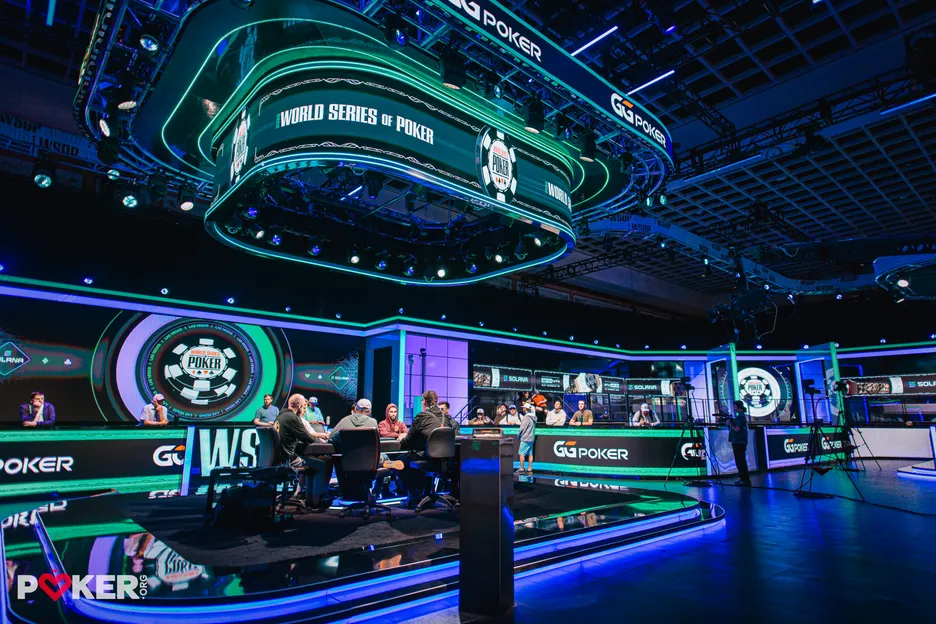
I didn't know the mixed games, so I actually failed my audition. To pass your audition here, you had to know all the mixed games. But then they were like, 'Right, you failed your audition, but come back for Day 2. We're going to do some training, and as long as you're competent in the training, we're still going to hire you.'
Basically, my hiring manager pulled me aside and said, 'You can be really good. You can be a rock star here, but you need to fix this, this, this, and this.'
I took that for what it was worth. I thought, 'Alright, let me go home to my home casino and fix all the things she told me.' I worked on that and then came back, hopefully a better dealer.
For me, that was the first time anyone had ever given me any critiques about my dealing. The casino I worked at gave you no frame of reference — good dealer, bad dealer. There were no rewards for being a good dealer; you just went to work. That was the first time I thought, 'Oh, I could be a good dealer here.'
My goals as a dealer are kind of the same as the goals for a player. You have to put in a lot of work and effort; there are a lot of hours and a lot of fine-tuning. I'll have dealers ask me, 'Hey, can you come and watch me and tell me what I can do better?' I usually tell them, 'This is all about fine-tuning; these are nitpicks. You're not doing anything wrong.'
When I give a critique, don't take it as if you're doing something wrong; it's all fine-tuning. That's what I'm doing all the time. That's how I've gotten where I'm at — just thinking, 'How can I pitch better? How can I put out the flop better? How can I make change a little quicker or more smoothly?'





Highlight of the week
It was my first feature table of the series, and it was the 100K final table. That was fun for a lot of reasons. You also had the 10K PLO8 going on at the same time.
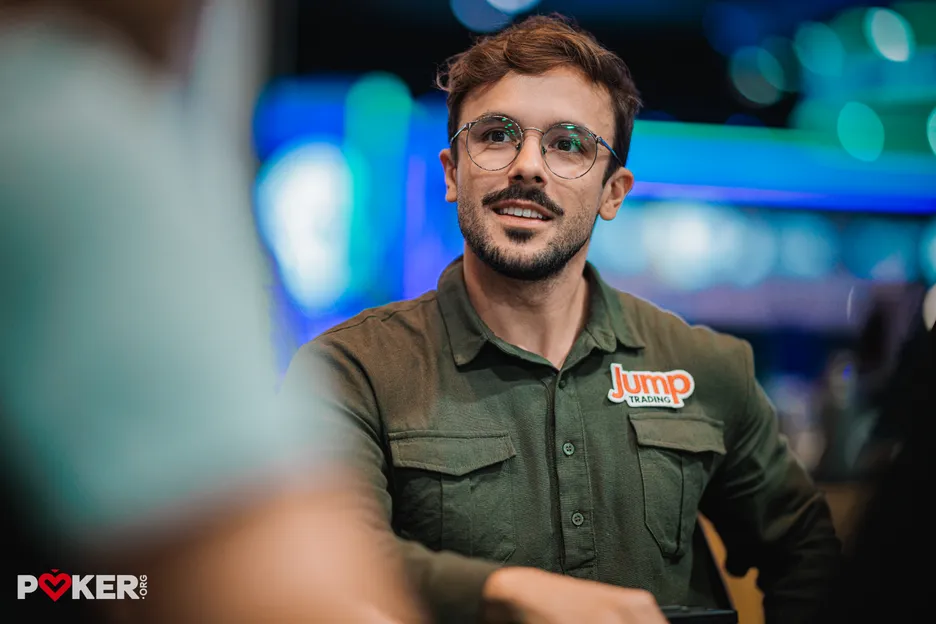
I like a lot of the players; they're all good people from my experience. But there are people who stand out sometimes — people we've dealt to for a long time. Yuri (Dzivielevski) won the 100K bracelet. Yuri is one of our favorite players. He's always one of the nicest guys, always a gentleman. I've met his wife a bunch of times; she's one of the nicest people I've ever met. So, it's a big thing for them.
I've also got a lot of Brazilian friends, so you're rooting for them to some extent. It was really nice to see him win. It was touching to see that it meant something to him because after he won, he immediately started crying. It was nice to know it was meaningful for him. On top of that, my friend Nathan Gamble was on the PLO8, and he's also friends with Yuri.
To see those two guys — who are, to me, two of the good guys in poker — take home bracelets at the same time was a great feeling.