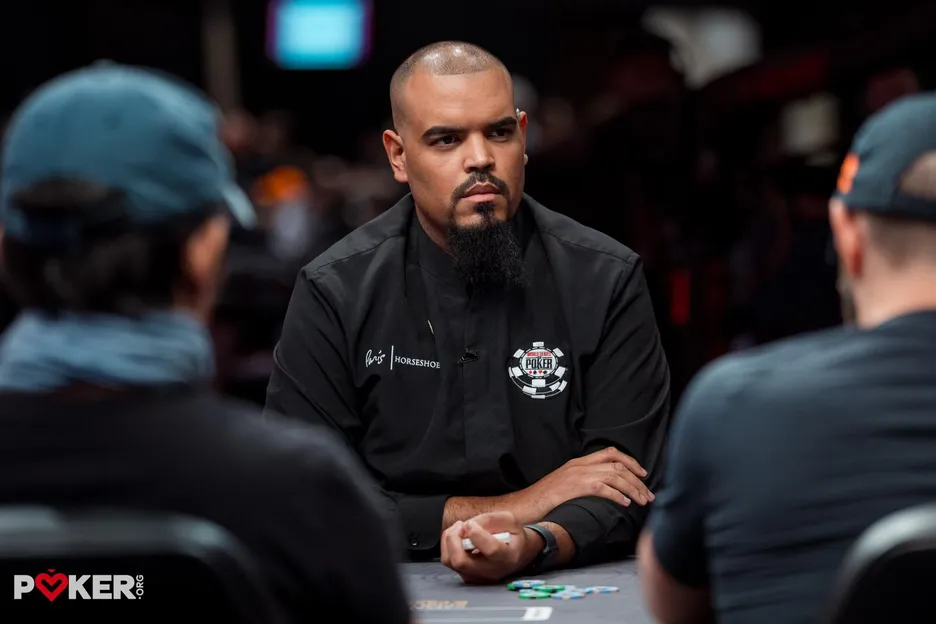


Every time Pedro Green sits down in the dealer's box, he gets a free poker lesson.
Over the last few years, he's had a front-row seat to watch some of the best players in the game work their magic. Even better, he's getting paid for his poker education.
And those lessons are paying off.
He won a RunGood Poker Series ring in the six-max event in San Antonio at The Lodge on November 10, keeping a promise he made to his wife before leaving the house that morning.
He followed that up a week later with a win in the PokerAtlas Tour’s $300 No Limit 2-7 Single Draw event at Texas Card House Austin.
Green was introduced to the game by his cousin, who took him along to a free bar poker league in Atlanta, Georgia. His incentive to learn to deal? The extra chips awarded to players who volunteered to deal.
Little did he know he'd soon be dealing to some of poker's biggest names on its biggest stage at the World Series of Poker.
PokerOrg caught up with Green to find out what he's learned on both sides of the table, how he's putting those lessons to good use, and why he appreciates what poker's most talkative villain, Martin Kabrhel, brings to the game.
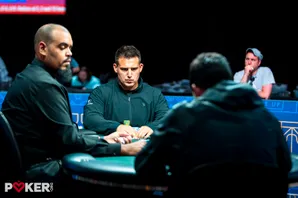
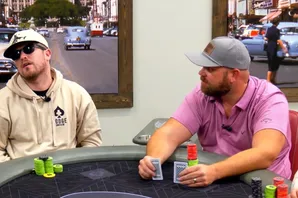
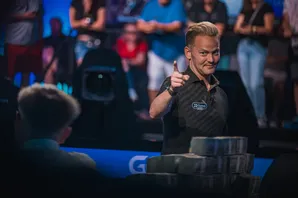
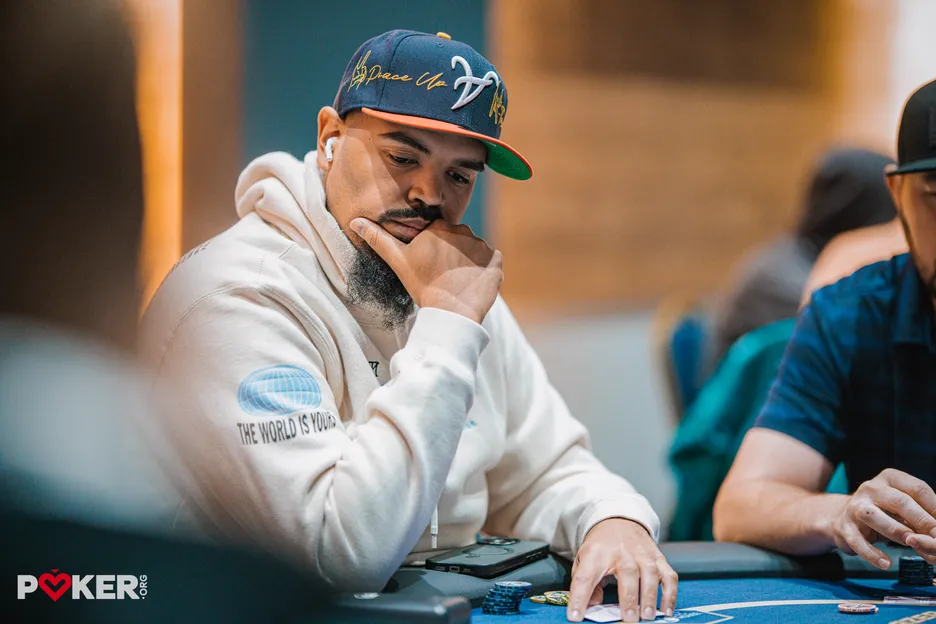 Pedro Green won two Texas poker tournaments in November, including a RunGood Poker Series ring.
Getting paid to learn from poker's best
You've had a front-row seat to watch some of the best players in the game. What have you learned that you've been able to use in your own game?
I try to pick up on small details. Obviously, I can't see every single hand the players play, but when they go to showdown, I try to pick up how they played the hand or how they chose their bet sizes.
I'm very, very detail-oriented. I pay attention to a lot of stuff. It’s a free coaching lesson for me every time I deal.
What are the biggest mistakes you see tournament players make?
One of the mistakes is the sizing they use. That's what I've noticed. For example, they will use small sizings when betting for value. And for bluffs, they'll bet bigger.
They're not consistent. They don't know how to mix up their value with their bluffs. Things like that.
Another thing is just talking too much at the tables. People give out too much information when they're talking in the hand.
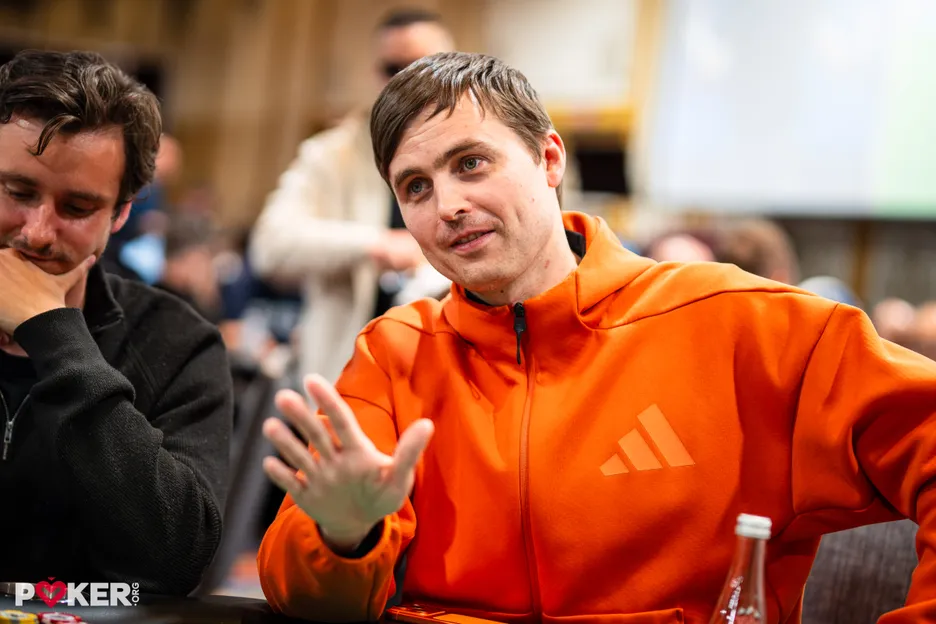 Pedro Green admires Martin Kabrhel's table talk, but thinks the poker villain has a weakness.
Speaking of talking too much, what's your experience been like dealing to Martin Kabrhel?
I actually appreciate him as a poker villain.
It amazes me how he uses that persona, and people fall into his game even though they know what he's trying to do.
It's the same thing with Maurice Hawkins. People want to play against him so bad. They want to beat him so bad in the pot, but they end up dumping chips to him.
That's what I feel makes Kabrhel a good player. He knows how to use his wordplay and get in people's heads. That's one of the things I appreciate about his game, and I respect it.
We've also seen players turn the tables on Kabrhel and get under his skin. Alex Foxen seems to do that to him.
That's one thing that Martin needs to be better at. If you're going to dish it, you've also got to know how to take it. That's one of his leaks as well.






From the dealer's box to the winner's circle
You've only been dealing for four years. What's helped you become successful so quickly?
I was always raised like this: if you're going to do something, do it right or don't do it at all. I learned very quickly what players looked for, and what they liked and didn't like when being dealt.
I try to picture myself as a player when I'm dealing. I want to know what the playing experience is at the tables when I deal.
Congratulations on your recent RunGood win in San Antonio. Was there anything different about your approach?
I love six-max tournaments. I actually got second place two years ago in Graton for a WSOP six-max ring event.
I literally told my wife the day of the event that I wasn’t coming home without that ring. I'm going to win that tournament. I was very determined. I was hungry for it. It was a smaller field, but it's still hard to win a tournament, no matter the size.
That was a tournament where I literally got there, put my head down, put my headphones in, didn't talk to anybody, and was very determined from the start. I was there on a mission.
You've seen players handle brutal beats calmly and others go on monkey tilt. What's the biggest lesson you've learned from watching both extremes?
I’ve learned how important it is to control your emotions and just be happy with your play. Let the cards do what they got to do. I'm never mad about runouts and stuff like that. I always leave every hand grateful that I played it correctly or that it just didn't work out this time.
What would you love to accomplish in poker over the next few years?
I want to be known as the best dealer/player that's ever played the game. That's what I strive for, and that's what I want to do.
Follow Pedro on X.