

Today we’re taking things back to fundamentals, because a lot of players still have questions about which hands they should be playing from different positions.
I’m going to give you some of my favorite rules of thumb for staying out of trouble with tricky hands, while also helping you make more money when you do decide to play them.
These aren’t flashy concepts, but getting them right can save you a tremendous amount of money. Let’s get right into it.
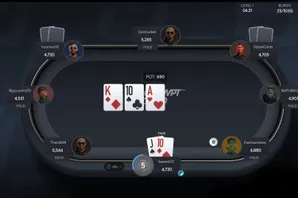
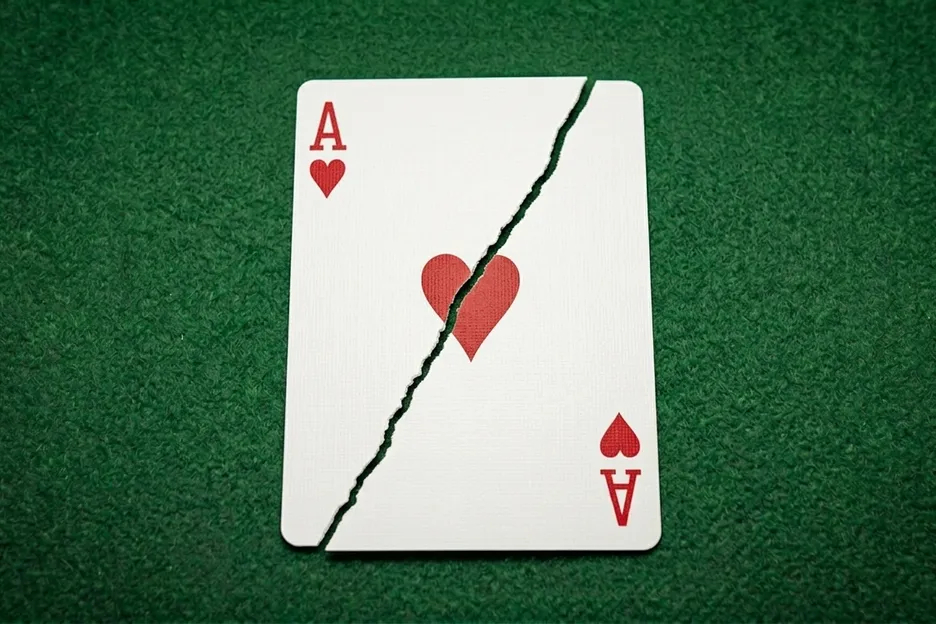 An ace with a low kicker can be very difficult to play, especially if you are opening with it UTG preflop.
1. Stop opening weak offsuit aces from early and middle position
One of the most basic preflop mistakes I still see is players opening too many weak offsuit aces.
Hands like A2o through A9o usually do not belong in your opening range from under the gun through many middle-position situations, and they should not be treated like automatic raises just because they contain an ace.
A surprising number of players feel like they’re doing something wrong if they fold these hands. They watch other people open them constantly and assume that must be the correct way to play.
It usually isn’t.
The biggest problem is that weak offsuit aces make terrible top pairs. You can flop an ace and still spend the entire hand wondering whether you’re already dominated by a better ace.
They’re also difficult to defend when you face a three-bet. You end up either folding a large portion of your opening range or continuing with hands that frequently make expensive second-best pairs.
There’s another subtle problem as well. When you hold an ace yourself, you block some of the ace-high hands in your opponent’s range that might otherwise miss the board and eventually fold to pressure.
I was recently discussing this with a student who was surprised that he wasn’t supposed to automatically raise every offsuit ace. Everyone in his games seemed to do it, so he assumed folding them was too tight.
When we looked at the combinations, the problem became much more obvious. Adding a large number of offsuit aces to an opening range can dump roughly another hundred combinations into a range that may already be difficult to defend.
Depending on what you started with, that can represent a massive increase in the number of hands you’re opening. If many of those additional hands cannot comfortably continue against aggression, a good opponent can simply three-bet you relentlessly.
That’s why you shouldn’t feel embarrassed about folding weak offsuit aces. In many positions, folding them is exactly what disciplined preflop poker looks like.






2. Don’t cold-call mediocre offsuit Broadways just because you have position
Another mistake I see constantly is players facing a raise with a hand like KQo or AJo and thinking, “This looks too good to fold, so I’ll just call and see a flop.” Those hands look attractive, but cold-calling them can create some ugly postflop situations.
The problem is that offsuit Broadway hands frequently make mediocre one-pair hands. That may be fine heads-up, but things can get much more dangerous when your call encourages the button, blinds, or other players to come along.
Now you’re in a multiway pot with one pair.
When multiway pots become large, the winning hands tend to become stronger. Two pair, sets, straights, and flushes become increasingly important, while a single pair with an okay kicker can turn into a very expensive second-best hand.
That’s why I often prefer a three-bet-or-fold strategy with these hands.
If the original raiser is opening far too many hands, three-betting can be an excellent adjustment. You isolate the weaker range, increase the likelihood of playing heads-up, and put yourself in a much better situation when you make top pair.
If the opener is tight, the answer can be the exact opposite. Your ace-jack or king-queen may already be dominated by a range containing stronger aces and Broadways, so folding can save you from a lot of difficult postflop decisions.
The important point is that “I have position” is not enough of a reason to cold-call. Think about how your hand performs against the opener’s range and whether your call is likely to create a multiway pot.
 6X WSOP bracelet winner Kristen Foxen knows that playing from the big blind is one of the toughest spots in the game.
3. Defend the big blind with hands that can improve in useful ways
Now suppose you’re in the big blind and there has already been a raise and a caller. You’re getting a better price, but that doesn’t mean you should start completing with every mediocre offsuit hand.
In these multiway situations, I prefer hands with some combination of suitedness and connectivity. Those properties give you more ways to make strong draws and disguised hands after the flop.
There’s a reason for that.
Most reasonably observant players understand that you would often three-bet your strongest preflop hands. If you just call from the big blind and then continue on a coordinated board, your range can become easier to read.
Suppose the flop contains a flush draw or several connected cards. If you had flopped a strong set or two pair, many players would expect you to raise at some point, especially in a multiway pot.
When you just keep calling, your range can become heavily weighted toward mediocre pairs and draws. Good opponents recognize that and can start applying pressure on the turn.
That’s why it helps to defend hands that can pick up useful equity. Suited hands can make flush draws, connected hands can make straight draws, and both can improve in ways that allow you to continue against additional barrels.
A hand like ace-seven offsuit often doesn’t have those advantages. In a multiway raised pot, folding it preflop can be much easier than putting yourself into a series of marginal decisions afterward.
4. Heads-up big blind defense depends heavily on your opponent
The situation changes when you’re in the big blind and the pot is heads-up. Now you may be able to defend some weaker offsuit hands because you don’t have to worry about several other ranges competing for the pot.
This is where I want you thinking about the person who raised.
Can this opponent triple-barrel bluff? Are they capable of putting huge pressure on turns and rivers, or using overbets in spots where your range looks weak?
A lot of low-stakes players simply are not.
That matters because defending a potentially dominated hand becomes easier when the opponent is not capable of applying sustained pressure. If you know they will generally shut down with air, you can navigate marginal top pairs and weak pairs much more comfortably.
You also get clearer information when they suddenly make a huge bet.
If a normally passive player puts in an enormous turn or river bet, you can often release a marginal hand without torturing yourself. Their lack of bluffing frequency makes the decision easier.
Against a strong aggressive player, however, these same weak offsuit hands become much harder to play. They can force you into repeated difficult decisions, which means you should be much more selective about what you defend in the first place.
5. Suited connectors and gappers can have enormous implied odds
I’ve changed my opinion over the years on how frequently I’m willing to speculate with suited connectors and suited gappers. In the right games, these hands can have more implied odds than ever because some players simply refuse to fold strong one-pair hands when the pot gets big.
You see this constantly in loose cash games and re-entry tournaments. Someone makes top pair or an overpair, faces heavy action, and decides they’re never getting away from it.
That creates opportunities.
If you call with a speculative suited hand and make two pair or better, you can sometimes get paid for your entire stack. A suited connector will flop two pair or better about 5.6% of the time, while a suited one-gapper does so around 5.2% of the time.
That isn’t a huge difference.
A suited two-gapper is still in the same general neighborhood, flopping two pair or better around 4.9% of the time. Because these hands improve strongly only a small percentage of the time, you need the potential payoff to justify the investment.
As a rough guideline, I want something like 25-to-1 implied odds when I’m calling with a suited connector. With a suited one-gapper, I want closer to 35-to-1, and with a suited two-gapper I’d prefer something around 50-to-1.
These aren’t magic numbers that replace thinking. They’re reminders that when you speculate with hands that miss most of the time, you need the potential to win a lot of money when you finally connect.
Stack depth matters enormously here.
If you’re in a re-entry tournament or a cash game where everyone is around 100 big blinds deep, you should be prepared to play aggressively when you make a disguised monster. If you flop two pair or better against somebody who has already shown that they cannot fold top pair or an overpair, start building the pot.
Don’t get timid because you finally hit your hand.
Against an opponent who seems emotionally invested, poorly calibrated, or simply unwilling to fold strong one-pair holdings, you may be shocked by what they’re willing to call down with. The whole reason you played the speculative hand was to get paid when it connects.
 Andrew Robl is one of the best in the game when knowing what range of hands to open with against certain player types.
Fundamentals make everything else easier
A lot of poker players want to jump immediately into advanced strategy, but weak preflop decisions make everything that comes afterward more difficult. If you start with dominated offsuit aces, passive Broadway calls, and poor multiway defenses, you’re creating complicated postflop problems before the flop even comes out.
Start by cleaning up the hands you enter pots with. Fold weak offsuit aces from positions where they don’t belong, stop casually cold-calling mediocre Broadways, and be more selective about the types of hands you defend multiway.
Then take advantage of situations where implied odds really are available. Suited connectors and gappers can be extremely profitable when stacks are deep enough and you’re playing against opponents who simply cannot release strong one-pair hands.
Good fundamentals don’t make poker boring. They put you in better situations so that when the big pots finally happen, you’re much more likely to be the person holding the profitable side of the decision.
That’s my time for today. I hope you enjoyed these tips, and I’m wishing you the best of luck on the felt.
Alex Fitzgerald is a best-selling author published by D&B Poker. Check out Alex’s most recent book, ‘How to Beat Players Who Never Fold.’
Visit pokerheadrush.com and subscribe to Alex's FREE strategy newsletter to receive three FREE training video packs. Follow Alex on X and Instagram.