

Some corners of the poker social media world are up in arms because the WSOP instituted a shot clock on Day 7 of the Main Event. How dare they do this in the middle of the event, this is unfair to the recreational players, etc.
Such complaints range from misinformed to baldly hypocritical.
Sadly, they are coming from some of the most respected names in the business, including Jennifer Shahade. I am loathe to disagree with people of her intelligence and stature, but the WSOP rule change felt like a no-brainer to me. A bit too late, if anything.
The state of play
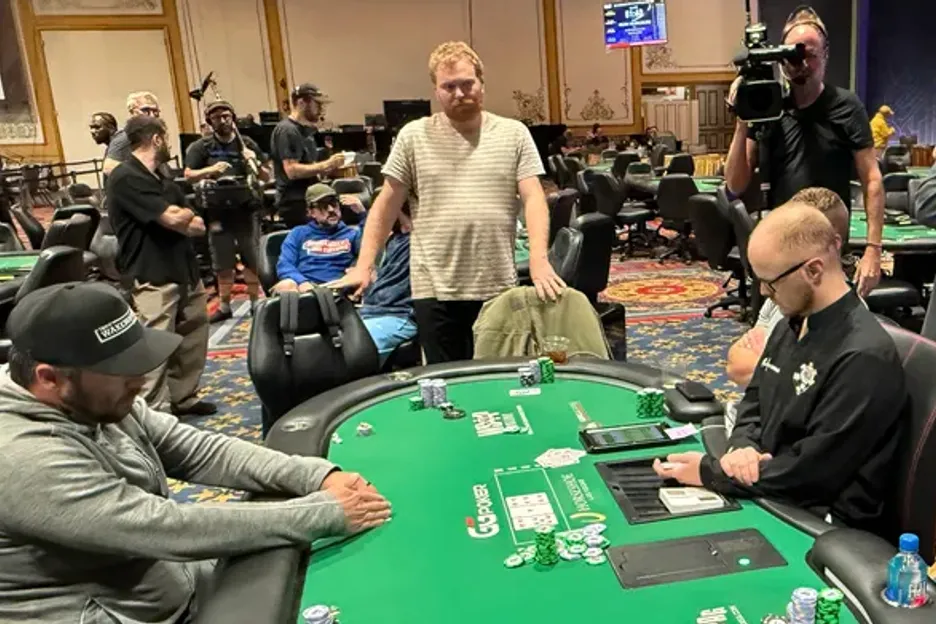
If you parachuted into the discussion late, you might have missed the proximate cause of the rule change: a Main Event player, Loren Klein, tanked for over 17 minutes before calling one chip to put himself all-in.
He was hoping to stall until a player elsewhere in the field busted, giving him a $20K pay jump. Furthermore, nobody at the table called the clock on him.
Only when a senior tournament director found out about the shenanigans did the tanking end — the TD gave Klein one (more) minute to make his decision. Then Klein called off the one chip, lost, and everybody else got the pay jump.
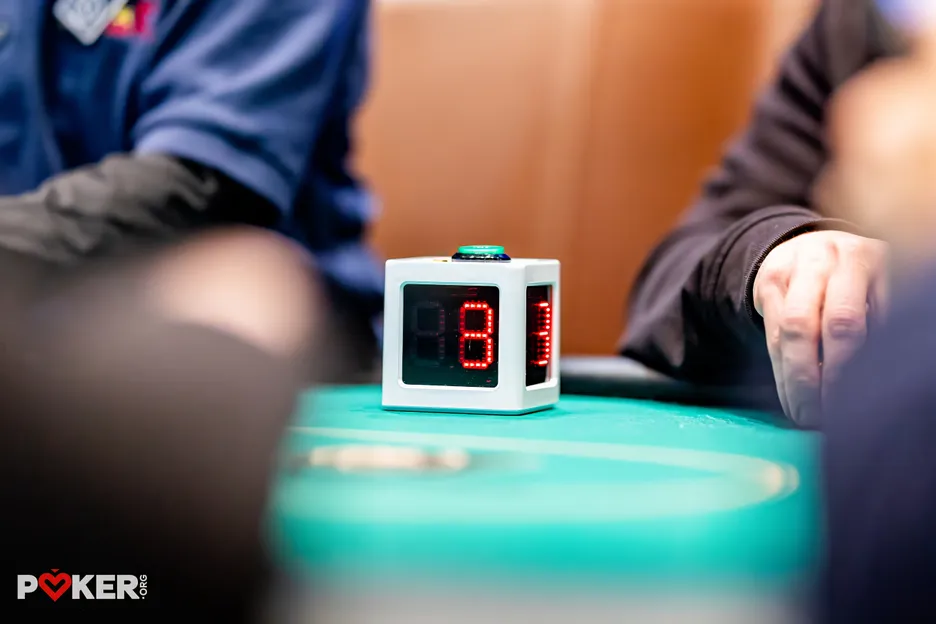
Overnight, the WSOP instituted a system of shot clocks, effective immediately.
Why? Because the players were cheating.
When Klein decided to turn a poker decision into a production of Long Day's Journey Into Night, his table-mates allowed the charade to continue. This steals (yes, that's the word) prize equity from every other player at every other table.

They were open about it too. During the tank, one person at Klein's table was asked about the situation. His reply:
“Solidarity, I guess. You don’t want to be the one. You’d like that pay jump too. It’s $20K.”
He said the quiet part out loud. Everybody tanks, and nobody that isn't Matt Berkey says anything about it.
That's because all the players at a tanker's table are beneficiaries of the tank too. It is a sad truth of many spots in tournament poker that the players have a huge monetary incentive to not play poker.
It's the dirty little secret that everybody does, but nobody talks about.









Hurts the recreational player?
Some big name players (e.g. Chris Brewer) say this will hurt the recreational players because they're not familiar with shot clocks.
Chris, was it a recreational player who dreamed up the idea of keeping one chip back when you go 'all-in' so that, getting 145:1 on a call, you can drag a decision out for another few minutes? Was 'solidarity guy' a tourist from Poughkeepsie? (Checks Hendon Mob...) Nope, $500K in lifetime earnings, top score $150K.
If you switch to shot clocks at any point, during or between major tournament series, there's going to be some adaptation required. Pros who have experience with shot clocks will adapt more easily.
It's unfortunate that the change had to happen on Day 7 of the Main Event. But the WSOP didn't pick that time — Loren Klein and his colluding (again, that's the word) table-mates picked the time for them. There may have been other egregious behavior — Joe Stapleton alluded to such in his announcement.
Whether it was just Klein and his table, or others committed similar offenses, they forced the WSOP's hand.
Was this a draconian decision?
Sure, it seems like a harsh policy. David Williams suggested that they find a middle ground, e.g. if you go 'all-in' less one chip, you are instantly on a 30-second clock. I've heard worse suggestions.
The problem is that any middle-ground policy will invariably be unevenly enforced, and create further problems.
I've been in the WSOP management's shoes. Something happens, and you need to respond to it Right Now. You don't have the luxury of collecting a bunch of options from various people, evaluating their pros and cons, and arriving at a workable peer-reviewed plan.
Nope, you need something that will be printed out for people to read with coffee the next morning. We know who to blame for the urgency.
This pot was going to boil
It was just a matter of time — it had been simmering for a while now. People were brazenly stalling, in direct violation of the rules.
It seems that the satellite folks have largely solved the problem with 'milestone satellites.' Perhaps tournament operators will find an analogous solution for regular percentage payout events.
But whatever, the status quo was untenable. When the tournament poker community is looking for the culprit of the late stage rule change, it needs to look in a mirror.
And while I'm responding to respected voices who are upset about the change, Daniel Negreanu, Shaun Deeb, and Justin Hammer have already vocally supported the WSOP's move.
Now what?
We're down to the final table, so stalling is a moot point. I note, with no little delight, that the prohibitive chip leader is a 23-year-old amateur who wasn't born when Erik Seidel won his first bracelet. So at least one amateur managed to work out the shot clock thing.
They've hauled away most of the tables at Paris and Horseshoe. WSOP executives will be taking a well-deserved breather, but they'll be back at their desks soon enough. Meetings, Zoom calls, and emails will happen. I certainly hope they'll loop in some of the players to talk about a long-term fix for this mess.
It's also a pity that this happened a short week after the TDA held its once-every-two-years meeting. I would have flown to Vegas to hear Matt Savage, Jack Effel, Toby Stone, Kenny Hallaert and the rest of them opine on this one.
It's going to be a difficult knot to untangle.
As I noted above, in a classic percentage-payout tournament, players are highly incentivized to sit on their hands and not play poker. It is only respect for the game and its rules that prevents what happened last week.
If the players won't show that respect, then the tournament organizers will need to find another way to enforce the rules. I wish them success.