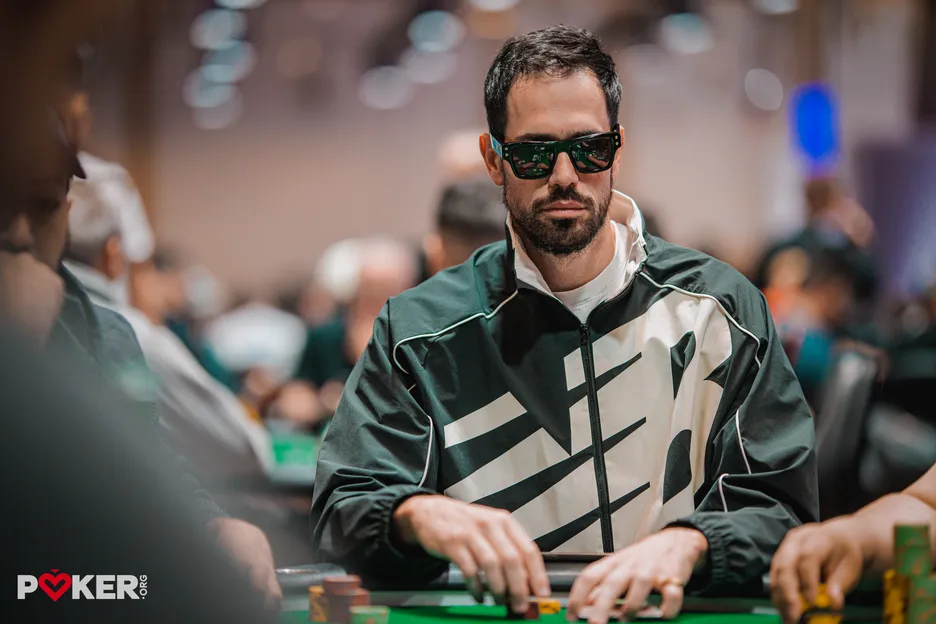


Poker Hall of Famer Nick Schulman has opened up about the devastating financial and mental health consequences of a high-stakes heads-up encounter with billionaire businessman Andy Beal.
Speaking on the Broke Living with JRB podcast, Schulman revealed how his team’s loss of around $21 million left him broke and sent him into what he described as a “suicidal tailspin.”
In the 2000s, Beal took on a syndicate of professional poker players in a series of nosebleed-stakes heads-up matches.
The group of players he battled against, known as The Corporation, included Doyle Brunson, Phil Ivey, Ted Forrest, Jennifer Harman, Chip Reese, and several others. With stakes that rose as high as $100,000/$200,000, The Corporation had to pool their resources to contend with Beal’s deep pockets.
In the book The Professor, The Banker, and The Suicide King, author Michael Craig detailed the extraordinary swings of the matches.
While those tales are now firmly etched into the fabric of poker history, Schulman’s own encounters with the banker, which came years later, are less well documented.
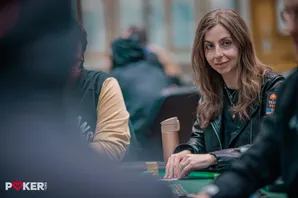
 Poker players Howard Lederer, Barry Greenstein, Phil Ivey, Ted Forrest and Jennifer Harman, members of the famous 'Corporation' that took on and beat Andy Beal.
'I had a very irresponsible piece'
Speaking to host Jean-Robert Bellande, Schulman recalled two matches against Beal.
“I played him twice. We had a big corporation,” he recalled. “We played once in LA. I won $6.8 million. I had a very irresponsible piece [of the action].”
While the first match was profitable for Schulman and his peers, the second leg of their encounter with Beal played out much differently.
“Then we went to Dallas a few months later and our little team lost, I think $21 million or something,” he told Bellande. “It was a rotation of four people. I kind of took the brunt of it, but we were all taking turns playing him.”
Schulman went on to explain that the group took on Beal in a series of $50,000/$100,000 heads-up limit hold'em matches, as well as some $3 million no-limit hold’em sit & gos.
At one point, Schulman stepped away from the action to grab a coffee and returned to find that he had personally lost nearly seven figures.
“I lost $800,000 going for coffee. I wasn’t even at the table,” he said later in the episode.
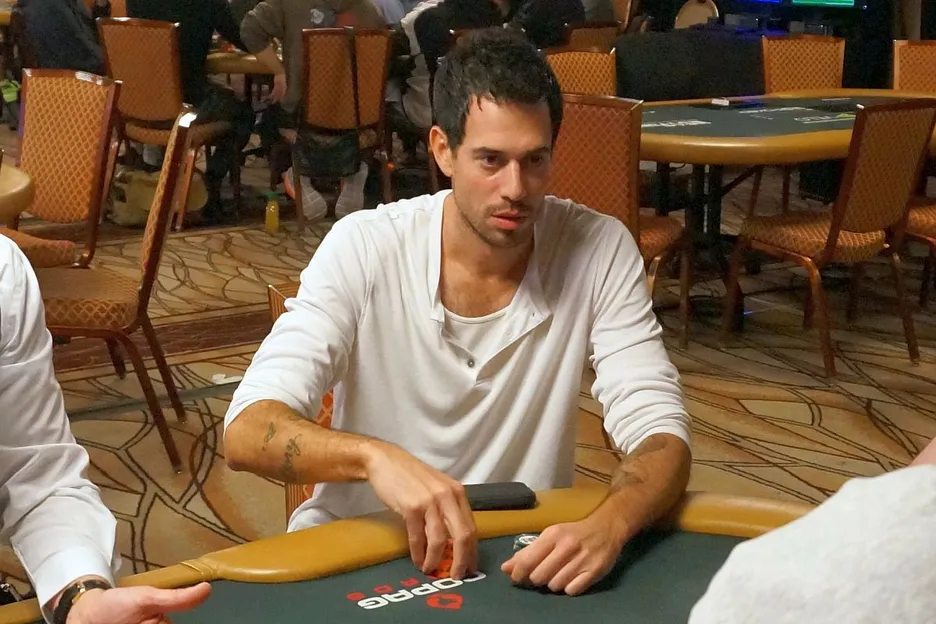 Schulman was just 28 when a three-hour session against Beal left him broke and in debt.





The cost of playing Beal
Schulman was just 28 when the three-hour session in Dallas left him broke and in debt. The consequences extended far beyond his bankroll.
“That match fully busted me and sent me into like a suicidal tailspin for like two years. It was really bad,” he said. “My mental health was very poor after that match.
"I was like super upside-down in life and I was super-broke after that three-hour match in Dallas."
It was a stark departure from the match in Los Angeles, where Schulman felt he had Beal “dead to rights.” His experience in Dallas, however, served as a reminder of the dangers of risking too much of your bankroll, regardless of your perceived edge.
“That’s the thing with this gambling, man. It doesn’t matter if you’re a favorite, sometimes you get beat," he reasoned. "You can’t just bet every dollar you have.”
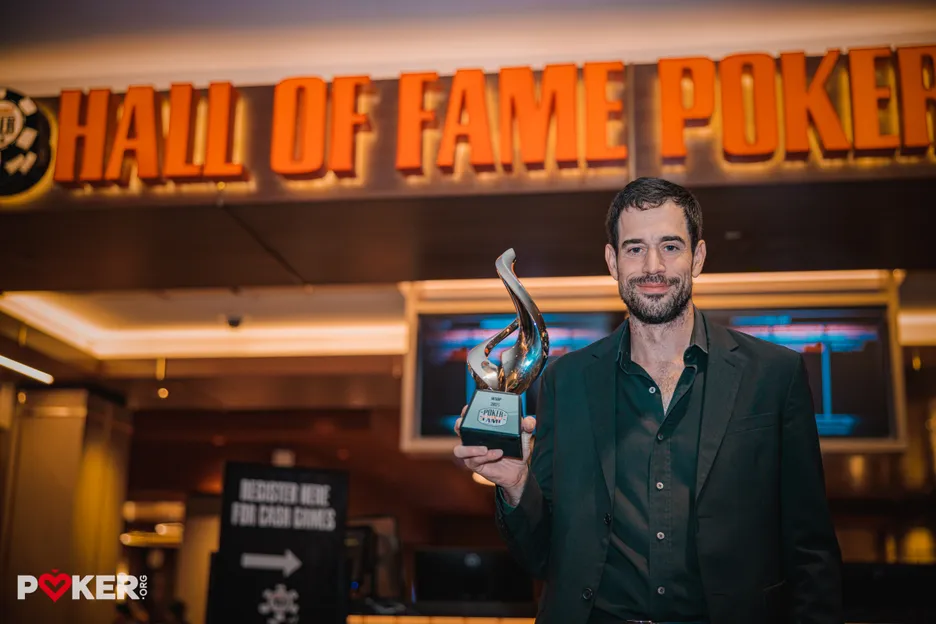 Schulman was inducted into the Poker Hall of Fame in 2025.
Despite the blow to his bankroll and the subsequent mental health struggles, Schulman looks back on the matches as a formative experience in his career.
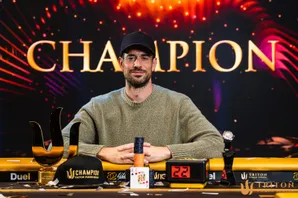
More than a decade later, Schulman has eight WSOP bracelets to his name, a spot in the Poker Hall of Fame and a career-best $3,854,888 score at Triton Jeju earlier this year. He's also become one of poker’s most treasured commentators.
“I wouldn’t change a thing in poker,” he went on to say. “I truly wouldn’t. That time helped really humble me and I needed it to happen. I’m so happy it did.”
For more on the mental health challenges poker players face and how to navigate them, read our Road to Resilience feature.