I was recently talking to a student who said something along the lines of: “My opponent should be bluffing here often enough to make my call profitable because he has the range advantage.”
I looked at him and said that the overwhelming majority of recreational poker players either don’t understand what range advantage means, don’t know how to identify it, or aren’t constructing bluffs around it in real time.
Even if they understand the concept, many still won’t act on it. They’ll simply say, “Nobody folds top pair in my game anyway,” and abandon the bluff.
That led to a much more useful discussion about when people actually do bluff. In my experience, a lot of recreational bluffs come from emotional triggers rather than carefully reasoned strategic concepts.
If you can recognize those triggers, you can become much better at identifying the situations where a bluff is genuinely more likely. Let’s get into them.
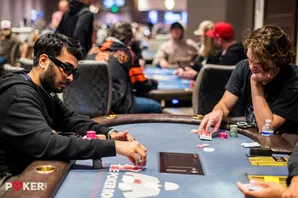
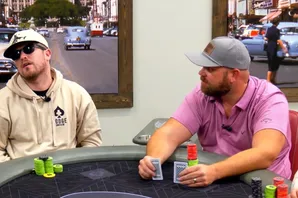
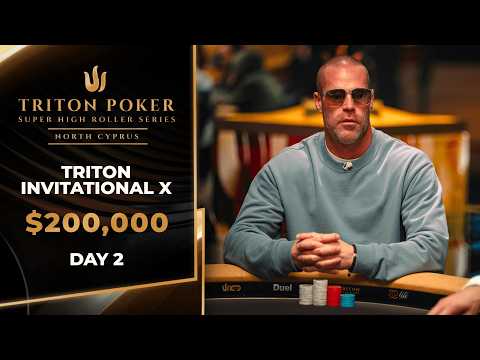
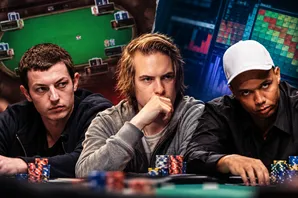
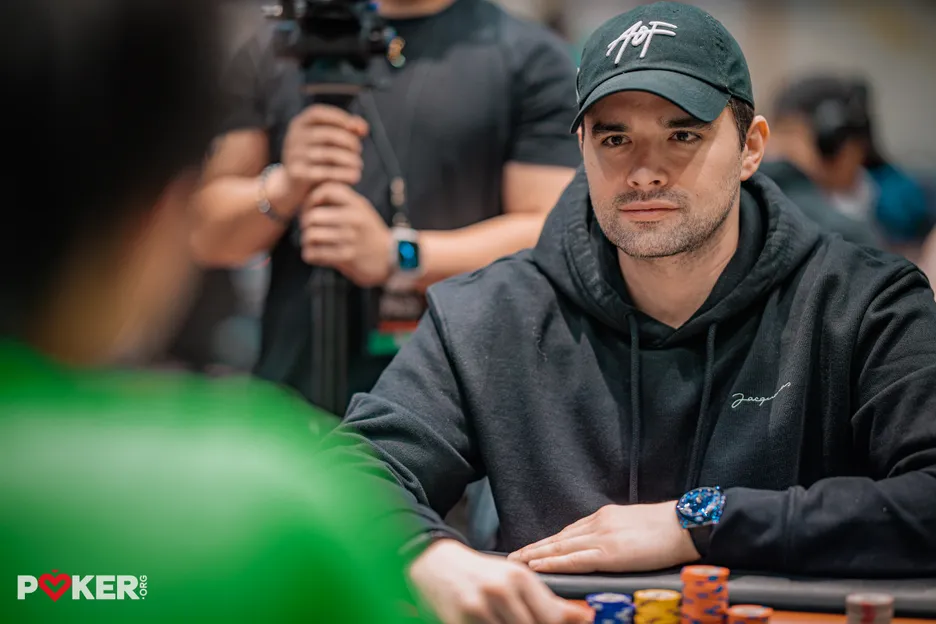 Alan Keating is known for his willingness to make big calls and unconventional plays.
1. They double-barrel and don’t want to give up on the pot
This is one of the most common ways recreational players talk themselves into a large bluff. They raise preflop with a decent hand, continuation bet almost automatically, and then keep firing because they become emotionally invested in winning the pot.
You can often identify these players ahead of time.
Maybe you’ve already watched them continuation bet into four or five opponents on a board where betting their entire range makes very little sense. If they’re willing to fire almost automatically in a terrible multiway situation, you can reasonably expect them to continuation bet even more frequently when they’re heads-up or three-handed.
Then the turn comes.
They fire again because they’ve decided the player who called the flop is constantly floating them. Maybe that read is accurate, but often it’s simply irritation disguised as strategy.
Now they get called again.
By the river, there’s a substantial amount of money in the middle and they don’t want to surrender it. They’ve already put chips in twice, they’re annoyed that you’re still there, and checking feels like admitting defeat.
That is when the big bluff comes out.
Notice how little of this process required a carefully constructed range analysis. The flop bet was automatic, the turn bet was personal, and the river bluff happened because the pot had become too large for them to emotionally abandon.
There’s often a timing tell attached to this as well. Instead of entering a long tank and carefully working through combinations, you’ll sometimes see a player pause briefly, look uncomfortable, and then suddenly decide, “All right, the hell with it,” before putting the money in.
They already know they’re in trouble. The pause isn’t necessarily deep analysis; it can simply be the moment where they decide whether they’re willing to go through with the bluff.






2. Your tiny instant bet insults their ego
Another surprisingly common bluff trigger is a very small bet made almost immediately. For certain players, especially competitive or ego-driven ones, that sizing can feel less like a poker decision and more like a personal insult.
A friend of mine likes to say that there’s nothing more expensive than the male ego. Poker gives you plenty of opportunities to watch that principle in action.
Imagine you continuation bet instantly and use a very small sizing. Some opponents interpret that as you saying, “I don’t even need to think about this, and I barely need to bet anything because you’re so weak.”
Obviously, that may not be what you mean at all.
But emotionally, that is how certain players receive it.
Now they want to reclaim their dignity. Instead of calmly considering what your range looks like, they make a haphazard raise because they want to show you that you can’t push them around.
I’ve seen this happen over and over again.
If you have a strong hand and want to invite that kind of action, the small instant bet can be useful against the right opponent. You may provoke a raise from someone who otherwise would have simply called.
If your hand is mediocre and you don’t want to deal with an unpredictable raise, be more careful.
Take your time, stick to your usual routine, and avoid accidentally poking the ego of somebody who is already looking for an excuse to fight back. You don’t always want to create a complicated decision for yourself.
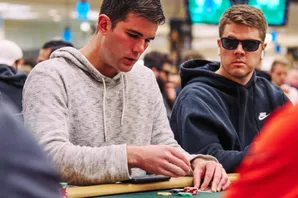
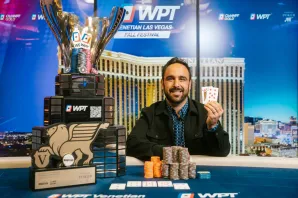
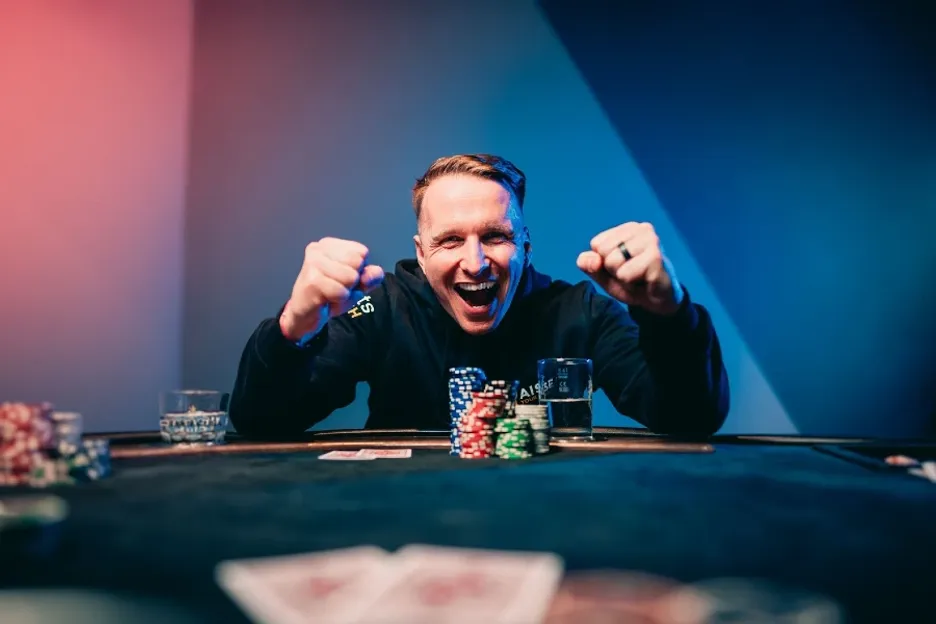 A small bet from an experienced pro like Benjamin Rolle might be an invitation to raise. Tread carefully.
3. Their draw misses and they try to force the issue
This one is much easier to understand. Players become emotionally attached to draws because while the draw is live, they feel like they still have a legitimate chance to win the pot.
They may have a flush draw, an open-ended straight draw, or some combination draw with plenty of equity. As long as another card is coming, they feel hopeful.
Then the river bricks.
All of that excitement disappears, and some players become unwilling to accept that they simply missed. Instead of surrendering, they try to snatch victory from the jaws of defeat by firing one final bluff.
That doesn’t mean every missed draw should automatically cause you to hero call.
If there was only one obvious draw available, there may not actually be many bluff combinations in your opponent’s range. A missed flush draw by itself is not enough reason to pay off every river bet.
But when multiple draws miss, the situation becomes more interesting.
Maybe the flop contained both a flush draw and several straight draws, and your opponent has been betting consistently throughout the hand. Now there are more natural hands that can arrive at the river with no showdown value and feel compelled to bluff.
That is when you should start paying much closer attention.
You’re not calling simply because “the draw missed.” You’re identifying a spot where several plausible draws missed and where the opponent’s emotional tendency to force the pot makes those bluffs more believable.
 A missed draw isn't an automatic invitation to hero call. Think through the hand before putting your chips in.
4. Their big cards keep missing and frustration takes over
Another common trigger happens when somebody repeatedly raises strong-looking high-card hands and fails to connect. Ace-king is probably the classic example.
Raise ace-king once and miss the flop, and most people can handle it.
Raise it again and miss, and they may become a little irritated.
Do it a third time, and some recreational players start feeling like they’re being cheated by the deck. They waited for another premium-looking hand, they missed again, and this time they decide they’re not going to surrender quietly.
So they keep firing.
Instead of asking whether the board is good for their range or whether the opponent is likely to fold, they’re thinking, “I’m not letting this happen again.” That frustration can turn what should have been a routine give-up into a multi-street bluff.
Pay attention to what players have been saying and doing before the hand starts.
If someone has spent the last hour complaining that they can’t hit a flop, has just lost a large pot, or has visibly become frustrated with how the session is going, that context matters. Poker decisions don’t happen in an emotional vacuum.
Look for several triggers happening at once
The best bluff-catching opportunities often occur when several of these factors come together. One emotional trigger by itself might not tell you enough, but multiple triggers can make the opportunity much more compelling.
Maybe your opponent recently lost a big pot.
Now they raise preflop, miss the flop with high cards, and fire automatically. You call, they become convinced you’re floating them, and they fire the turn again.
Then the river misses several obvious draws.
Now they’re sitting there with a big pot, no showdown value, a player they think keeps floating them, and an entire session’s worth of frustration behind them. That is a much more interesting bluff-catching spot than simply saying, “He has the range advantage, so he should bluff.”
Take your time in those situations.
Look at the betting line, look at the missed draws, remember what the player has been doing emotionally throughout the session, and see whether the pieces fit together. You may find that the most useful bluff tell isn’t some sophisticated theoretical concept at all.
It’s frustration.
Alex Fitzgerald is a best-selling author published by D&B Poker. Check out Alex’s most recent book, ‘How to Beat Players Who Never Fold.’
Visit pokerheadrush.com and subscribe to Alex's FREE strategy newsletter to receive three FREE training video packs. Follow Alex on X and Instagram.