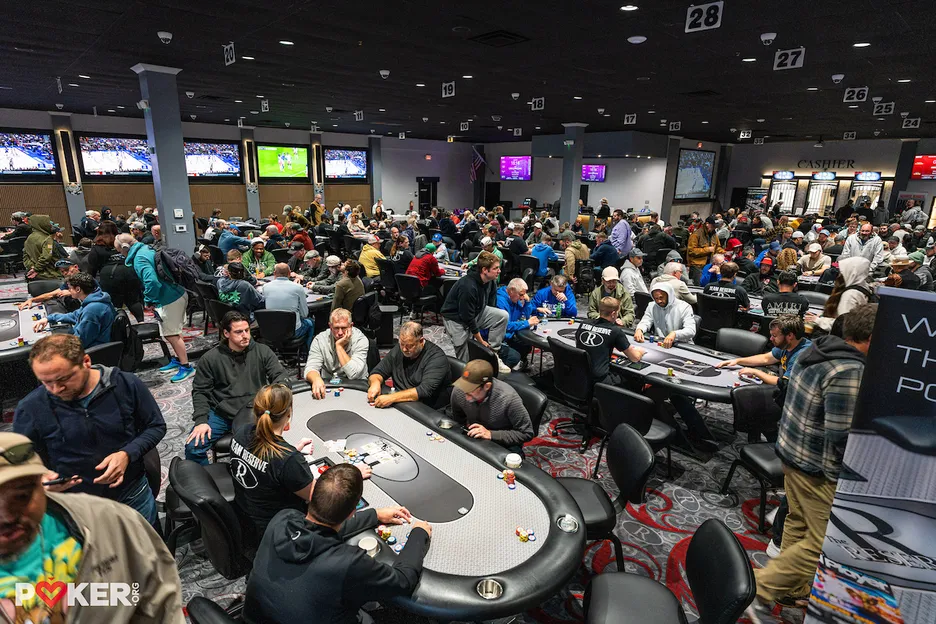


Most poker players are more predictable than they realize – and that's good news for your bankroll.
There’s a big difference between what players theoretically should do and what they actually do in real games.
Understanding these common tendencies, known as population reads, can help you identify some of the most profitable exploits in poker.
1. Most players do not three-bet bluff enough
The vast majority of low- and mid-stakes players do not three-bet bluff nearly as often as a balanced strategy requires. That means you need a very good reason to continue with a mediocre hand, especially when you’ll be playing the rest of the hand out of position.
Against many recreational players, a three-bet is heavily weighted toward hands like pocket tens or better and ace-queen offsuit or better. Obviously, some players are wider than that, but you should not automatically assume everyone has a sophisticated bluffing range.
That means hands like ace-jack offsuit or pocket eights can quickly become uncomfortable when you face a three-bet. Before calling, ask yourself what kind of implied odds you’re actually getting and how realistic it is that you’ll realize those implied odds from out of position.
Position matters enormously here.
Even if you occasionally make a strong hand, being forced to act first makes it harder to extract maximum value when you’re ahead and harder to control the pot when you’re uncertain. You can easily find yourself calling preflop only to face multiple bets from a range that started out stronger than yours.
You should also think about what the opponent does after the flop.
If this is someone who three-bets preflop but shuts down almost every time they miss, you may be able to justify defending somewhat wider. Their postflop mistakes can compensate for the strength of their preflop range.
Against someone who applies pressure well after the flop, however, the situation gets much worse. In general, if the population is underbluffing its three-bets, you should respond by folding more of your marginal hands rather than trying to defend according to a theoretical chart.






2. Non-all-in overbets are usually extremely strong
Another population tendency I see constantly is that low- and mid-stakes players rarely use large overbets as bluffs – unless the bet happens to be an all-in. When somebody deliberately bets more than the pot while still leaving chips behind, that line is often extremely value-heavy.
That should immediately make you reconsider your bluff-catchers.
A hand like top pair may feel strong in absolute terms, but against an opponent who simply does not construct enough overbet bluffs, it can become an easy fold. You frequently want something closer to two pair or better before seriously considering a call.
A common reason for these overbets is fear.
Someone has an overpair, a set, or another big made hand and sees several draws developing on the board. Instead of thinking carefully about optimal sizing, they decide they want to get a lot of money into the pot before something scary happens.
That creates a very useful exploit.
When a population dramatically underbluffs a certain sizing, you do not need to hero call simply because your hand is near the top of your normal range. You can fold bluff-catchers much more aggressively until you see evidence that this specific opponent is capable of using that sizing with air.
You don’t get extra money for making a heroic call against a line that almost always represents value.
 Michael Addamo is an example of an elite player capable of using overbets for both value and as bluffs.
3. Stop automatically flatting big blind three-bets
Big blind three-bets deserve particular respect at low- and mid-stakes. Many players are far too passive from the big blind and simply call with hands that theoretically might belong in a wider three-betting range.
They’ll flat hands like pocket sevens, ace-jack offsuit, and plenty of suited Broadway combinations. Then when they finally do three-bet, their range can become heavily concentrated around stronger pocket pairs and premium big cards.
That changes how you should respond.
If someone’s big blind three-betting range looks more like pocket eights or better and ace-queen offsuit or better, calling just because you have position can become a major leak. You’re voluntarily entering a bloated pot against a range that has you in bad shape.
Again, implied odds matter.
If the stacks are extremely deep and your hand can make disguised monsters, there may still be profitable calls available. But you need enough money behind to compensate for how frequently you’ll miss or make a second-best hand.
Don’t assume the big blind is playing some perfectly constructed polar range simply because that is what a solver would recommend. Watch what the actual person is doing.
If they’ve been flatting everything remotely marginal and suddenly put in a big three-bet, believe the information they’re giving you.
4. Turn and river raises are badly underbluffed
Here is another incredibly valuable population read: when a low- or mid-stakes opponent raises the turn or river while still leaving chips behind, they usually have a very strong hand. These lines are dramatically underbluffed in many live games.
That means you can bet-fold more frequently with one-pair hands.
A lot of players understand that they are supposed to bluff sometimes, but they don’t really know which blockers they should use for a turn raise. They also aren’t comfortable putting in a large raise and then folding if somebody comes back over the top.
So they simply don’t do it.
Think about how rarely you see the average recreational player raise the turn as a bluff and then calmly fold to a shove. For many players, raising the turn means they’ve already decided they love their hand.
The same thing happens with check-raises.
Someone slow-plays a set on the flop, waits for you to bet again, and then springs the trap on the turn. Or the turn gives them two pair, and suddenly they decide it is time to put a lot of chips into the middle.
Your top pair may have been a perfectly reasonable value bet. That does not mean you have to pay off the raise.
Betting and folding to aggression can both be correct within the same hand.
Against a population that severely underbluffs these late-street raises, you should be much more comfortable letting strong-looking one-pair hands go. Save the hero calls for opponents who have actually demonstrated that they can find these bluffs.
5. River callers hate folding and rarely turn hands into bluffs
This is the granddaddy of low-stakes exploits.
Once many recreational players have called preflop, called the flop, and called the turn, they become extremely reluctant to fold the river. They feel invested in the hand and frequently want to see what you have.
At the same time, very few of them know how to turn a mediocre made hand into a river bluff.
They haven’t studied which blockers make good bluff-raising candidates. They often don’t understand which sizings work well, what stack-to-pot ratios they need, or which parts of their range should be transformed from showdown value into a bluff.
More importantly, they hate the idea of getting caught.
Calling and losing is psychologically easy to explain. Raising a mediocre hand as a bluff and getting called can make them feel foolish, so they avoid doing it.
That combination is extremely profitable for you.
You don’t have to worry nearly as much about being blown off your value hand by a creative river raise. At the same time, you can expect a lot of opponents to call with hands that should theoretically find disciplined folds.
So stop checking back good hands for no reason.
You should need a very strong argument before passing on a river value bet against somebody who has already called three streets worth of action. If you believe worse hands can call and this opponent rarely bluff-raises, betting becomes enormously attractive.
This is where a lot of low-stakes money is made.
You do not need some elaborate river strategy against someone who calls too much and raises too little. You need to keep value betting them until they give you a reason to stop.
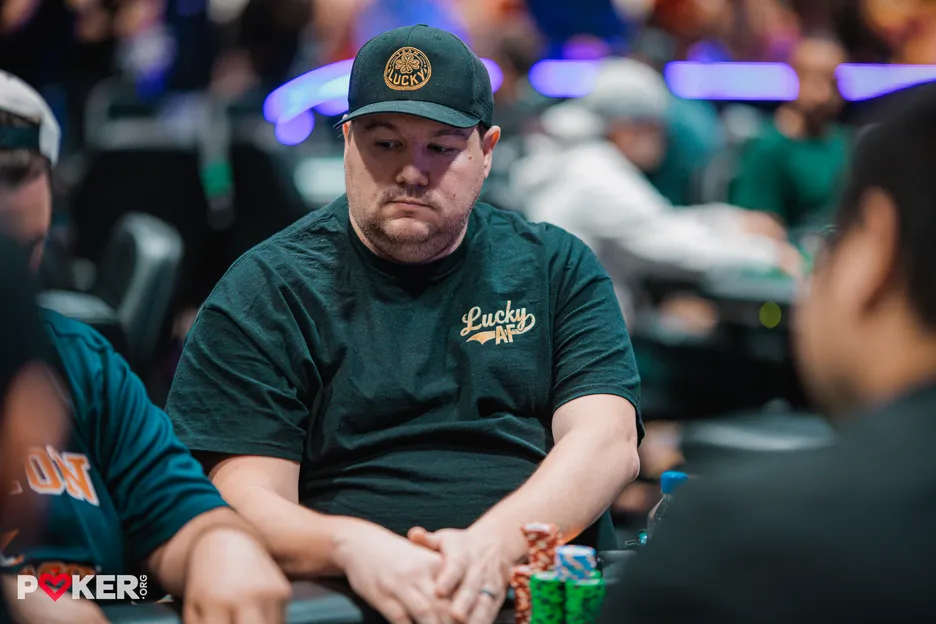 2025 WSOP Player of the Year Shaun Deeb knows how to squeeze maximum value from his opponents.
Exploit what people actually do
The biggest lesson from population reads is that poker is not played against a theoretical average. It is played against actual people who repeat the same tendencies over and over again.
If players underbluff three-bets, fold more to three-bets. If they underbluff overbets and late-street raises, stop paying them off with bluff-catchers.
If big blind three-bets are too strong, respect them.
And when opponents reach the river with a range full of hands they refuse to fold while almost never bluff-raising, value bet them relentlessly. You don’t need to balance perfectly against somebody who isn’t remotely balanced themselves.
Learn what the population actually does, then adjust until a specific opponent gives you a reason not to.
Alex Fitzgerald is a best-selling author published by D&B Poker. Check out Alex’s most recent book, ‘How to Beat Players Who Never Fold.’
Visit pokerheadrush.com and subscribe to Alex's FREE strategy newsletter to receive three FREE training video packs. Follow Alex on X and Instagram.