

Luke Geel is an AI engineer for the US Air Force with degrees in math and economics. As an avid poker player he can often be found at the live tables in the Boston area, as well as occasional appearances on the Garage Game live stream.
This week, as part of his regular series for PokerOrg looking at the intersection of poker and AI, Luke ponders the future of headphones at the table, and gives an update on his groundbreaking AI tells project.
Last time out I explained my progress on a personal project I’m working on, using artificial intelligence to interpret player behavior and determine the strength of their hand.
Using AI technology in that way may have sounded like science-fiction five years ago, but my work shows how this is becoming closer to reality.
But that’s changed.
It’s no longer simply close; It’s here.
Read on and I’ll tell you how my AI tell-detection is now being used by real players in real cash games, and how I’m working with the WSOP to potentially use it at this summer’s World Series.
But first, a look at the AI topic which has inspired a whole lot of attention over the past week: whether headphones will need to be banned.
How much of a threat is the new AirPods technology?
It started with the news that a new version of Apple’s AirPods are in testing that have camera technology built in.
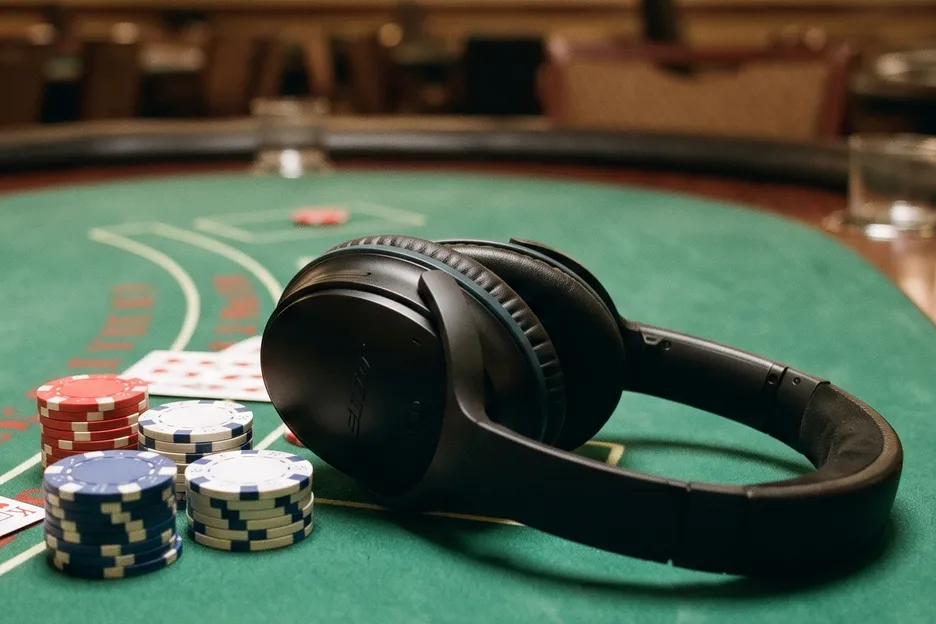
Tournament Director Matt Savage then confirmed that the idea of banning headphones at the table will be debated at the TDA summit this summer. At which point a whole lot of players spoke up to defend their right to listen to music, podcasts, whalesong or whatever else they want to while they’re spending hours at the poker tables.
Are the AirPods a real problem? In my opinion… no, or not yet, at least.
From what I've seen, the camera capabilities in these new AirPods are directly tied with Siri, so you can't actually use them for taking photos or videos. I believe the camera itself is pretty low resolution, and when it comes to developers messing with Apple tech, the company builds a pretty big wall around their products that make it difficult to appropriate their tech for other means.
If it’s all tied up with Siri, it’s going to be leaning on LLMs rather than dedicated poker solvers. And if you look back at the LLM poker battle last year, you’ll see that they’re simply not that good at poker. They have a habit of going way out of line, making plays that make no sense, or even straight-up misreading the board.
But that doesn’t mean we shouldn’t be worried.
I think that the model or generation after this upcoming one, if you can use the camera without Siri, or write your own code for it, could pose some very serious concerns.
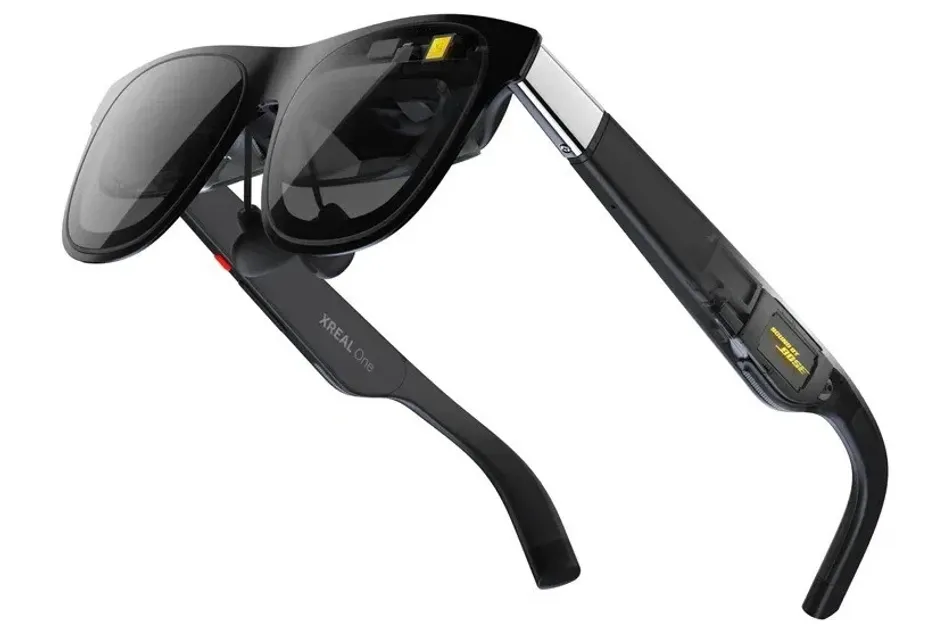
But even then, the bigger issue in my opinion is still smart glasses. As I wrote recently in PokerOrg, a lot of the concerns I’d have for a more advanced version of the AirPods are already present with smart glasses.
So what’s the solution?









No more music, or live with the risk?
Are you in favor of a ban on all technology at the poker table?
I’d guess that few people are. Take a stroll around any poker room in the world and you’ll see just how many players spend as much time watching their phone screen as the action at the table. And headphones are about as much a part of the everyday poker grinder outfit as sunglasses and a hoodie.
For me, playing poker is highly sociable. I love making friends at the poker table, and while I do realize not everyone is like this, personally I hate playing at tables where everyone wears headphones and doesn’t talk with each other.
One benefit to banning headphones at the poker table would be increasing the social aspect, which could in turn make it appeal more to beginners. I bet a lot of newcomers are intimidated when all the players at the table have their headphones in and no one says a word.
But whether headphones or phones, there's an appetite for technology on display almost everywhere you look; it’s hard to imagine an outright ban working. The games may technically become more secure, but what good is the safest game in the world if no one wants to play it?
It’s all about our attitude to risk.
We’ve probably all seen someone complaining online about game integrity at some shady, unregulated offshore poker site, while in the same sentence confessing that they continue to play there on a regular basis.
Likewise, there are parts of the world where live poker games aren’t legal, but cardrooms continue to exist. Playing there means you could have a great night playing cards… or it might get raided and you could lose everything on you.
In each case, the player knows there’s a risk, but decides that avoiding that risk entirely is less appealing than not playing at all.

I suspect that’s where we may be headed with headphones. Even if cheaters are punished when discovered — and security and attempts at detection are absolutely crucial — there will be a non-zero chance of someone misusing technology to gain an advantage if all relevant technology is not banned outright.
But would players accept that risk in order to be able to keep in touch with friends, check the sports scores or listen to some tunes?
Look around the poker room, count how many players are on their phones or wearing headphones, and you tell me.
AI tell detection and the WSOP
Finally, as promised, an update on my AI tells project.
On the technology side, I've been incorporating a new type of AI technology called vision models, which are essentially like LLMs, large language models, but they go image-to-text instead of text-to-text.
Vision models can do a lot of things that were very, very hard, if not impossible, by just using code.
We’re talking about measuring small nuances in behavior like, is the player sticking his tongue out? Are his eyes slightly wider? Is he squinting? When someone's betting, what shape are they making with their hand? Are they just tossing chips in, placing them lightly, or being more forceful?
It's very hard to find those small nuances just via code, but with vision models you can just type in a prompt and say, ‘Tell me, what's the shape of the person's hand?’

I'm already working with the WSOP to get this ready to use at the World Series. They want to see how accurate this can be without any of the displays that you'll see on livestreams. Without the cards, the bet amounts and so on.
If everything goes to plan, I think they will want to use it during their broadcasts. Not to call out any one specific player’s tells, but to add another entertaining element to their Main Event coverage. Hopefully it’s ready in time, as it should be a lot of fun.
And remember when I said that using this technology is not just close, it’s actually here?
It’s true: someone reached out to me and asked me to use the tool to analyze the tells of someone they play with on a livestream.
I obviously can’t share either of their identities, but we’re doing it, it’s happening and going pretty well. For one of them, at least.
If this seems wrong to you, consider this: Is it any different to a highly perceptive person watching the stream, with televised hole cards, and sharing what they’ve noticed afterwards with one of the players in the game?
In my opinion, the principle is the same.
The difference is, my version’s better.
Follow Luke Geel on LinkedIn and X.
Featured image generated using AI.