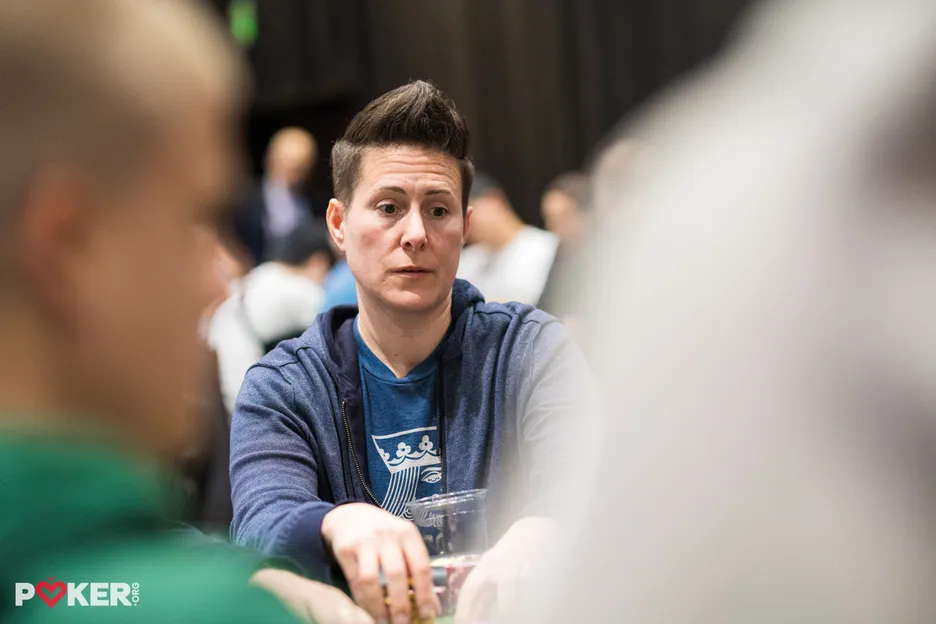


The Poker Hall of Fame has re-written its selection process to allow for multiple inductees.
With a handful of standout candidates reaching the minimum age requirement this year, and an existing logjam of worthy nominees, the changes were necessary. When this year's inductees are announced later this summer, we're all but guaranteed to see multiple names join the ranks of one of poker's most exclusive clubs.
There are the standout picks – Shaun Deeb, Scott Seiver, Jason Koon, Phil Galfond, to name just a few. We've heard plenty about those players, from both existing Hall of Famers and other big names in poker.
What about the longshots, though? With so many slam-dunk choices, the underdogs often go overlooked in the nomination process – but perhaps not this time.
If you want to learn a little more about six of the potential dark horses for Hall of Fame induction, scroll down.
John Duthie
John Duthie is not someone you would regard as a household name in the poker community, but he should be.

In 2004, he approached PokerStars with an idea for a tournament series based in mainland Europe. Over two decades later, the European Poker Tour has risen from humble beginnings to become one of the most prestigious poker tours in the world. With that contribution alone, Duthie has a compelling argument for nomination.
Between his business know-how and his experience as television director, Duthie also revolutionized how poker was broadcast to the European masses. With high production value and careful attention to player narratives, Duthie transformed televised poker into programming that was widely consumed by the public and played an integral role in introducing the game to new players.
And he's no slouch on the felt either, with tournament results stretching as far back as 1999 – including a legendary $1,426,330 victory in the inaugural televised Poker Million in 2000.
If you need further convincing, check out the post below from Barny Boatman.





Isai Scheinberg
Isai Scheinberg is perhaps the only name on this list who is not so much an underdog for induction, but rather a too-often-overlooked shoe-in for the Hall of Fame. For the better part of the last decade, Scheinberg has appeared on the shortlist for induction into the Hall of Fame, but the one-inductee-per-year restrictions have kept him out. Now, with the rule changes, that wait could be over.
If you don't know the man behind the online poker boom, do yourself a favor and get to know him.
In 2001, Scheinberg co-founded PokerStars alongside his son Mark. As a former IBM programmer, he developed proprietary software capable of handling the site's hundreds of thousands of players without crashing. PokerStars, and Scheinberg by extension, is directly responsible for the poker boom of the mid-2000s.
It was on the PokerStars platform that Chris Moneymaker punched his ticket to the World Series of Poker Main Event via one of the multitude of affordable satellite tournaments on the site.
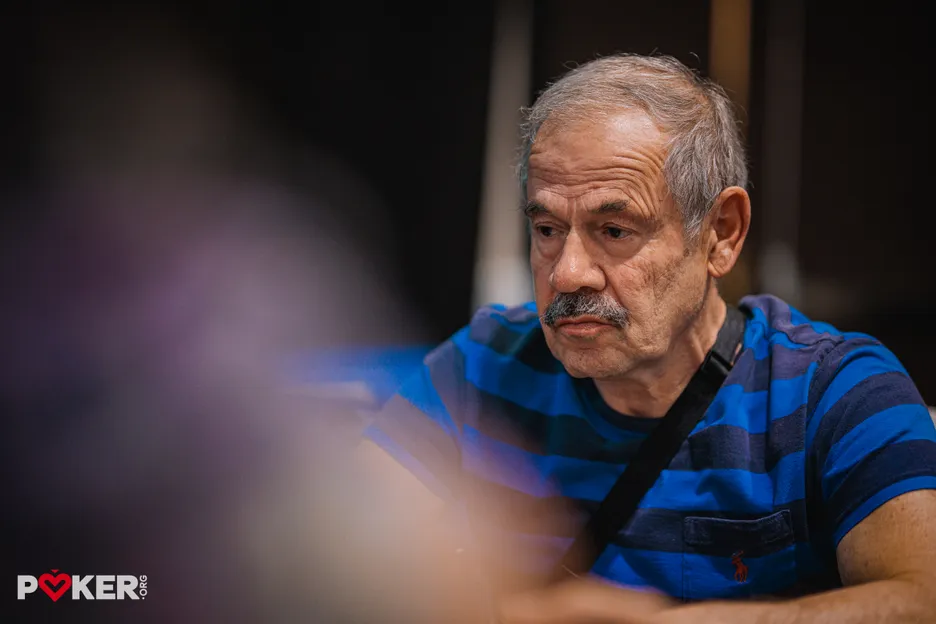
Without Scheinberg, we don't have the Moneymaker era. We don't have the poker boom.
When Black Friday hit the online poker community, Scheinberg's segregation of player funds from the site's operational budget allowed him to make all PokerStars players whole. And he took it one step further when he struck a deal with the US Department of Justice to purchase Full Tilt Poker and bail out its player pool as well – essentially saving the livelihoods of countless professional players.
Beyond his role in poker's explosive growth and its ensuing need for rescue, Scheinberg has played an integral part in spreading the game across the globe.
Until Scheinberg's name is inscribed on its walls, the Poker Hall of Fame is incomplete.
Ted Forrest
Ted Forrest represents a somewhat forgotten generation of poker players vying for entry into the Hall of Fame. With a case that rests almost entirely on performances in the 1990s and 2000s, Forrest's impact on the game suffers from a severe bout of recency bias. Despite that perception, Forrest has put up no shortage of results in the years since his peak.
With six WSOP bracelets to his name across an array of poker variants and more than $6M in career tournament earnings, Forrest's prowess on the felt is unquestionable.
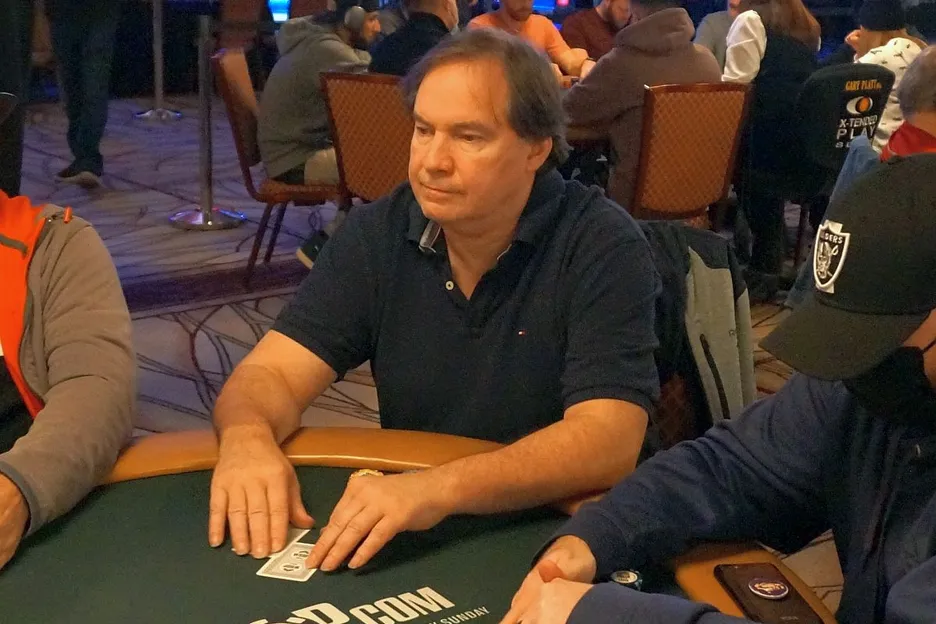
Away from the tournament tables, he was a central figure in the Las Vegas cash game scene for more than a decade – famously playing as part of 'The Corporation' that took on billionaire Andy Beal.
Lon McEachern & Norman Chad
As the voices of the World Series of Poker for more than two decades, Lon McEachern and Norman Chad introduced countless people to the game from their perches in the commentary booth. Chad's dry wit and contrarian disposition paired perfectly with McEachern's enthusiasm and play-by-play expertise – making for a partnership that defined an entire era of poker.
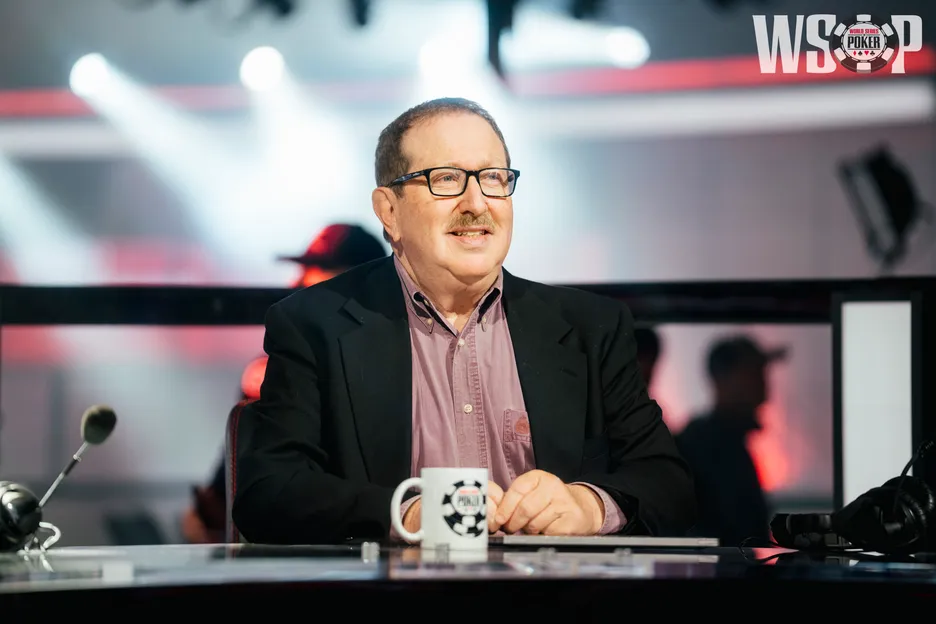
While they're no longer in the booth cracking jokes together, both remain active and engaged within the poker community – covering that longevity requirement in spades.
If the Poker Hall of Fame truly intends to include those who have made a contribution to the game from off the felt, Chad and McEachern are essential to the fabric of the Builder category.
Vanessa Selbst
During her peak from the late 2000s to the mid-2010s, Vanessa Selbst was one of the most dominant forces on the felt – racking up several massive scores, including a $1.8M win in the Partouche Poker Tour Main Event and a $1.4M win in the $25K PokerStars Caribbean Adventure High Roller. Along the way, she picked up three World Series of Poker bracelets, all of which came in open events.
As she racked up big score after big score, Selbst became the highest-earning female player of all time and held the honor for more than a decade. Only recently has she been pipped to number one by Kristen Foxen.
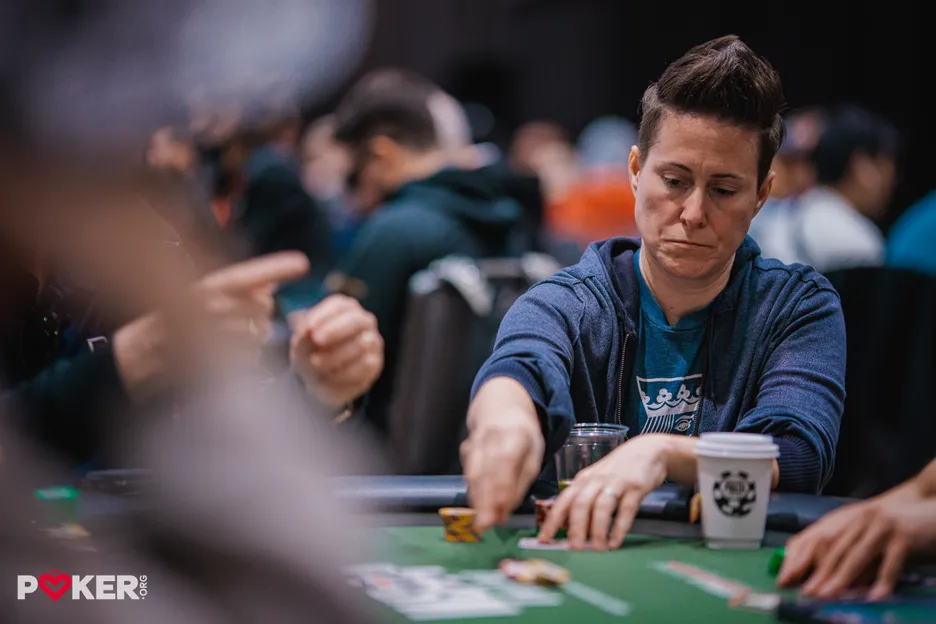
While she eventually stepped away from poker to focus on a career in finance, her impact on the game cannot be overstated – especially when it comes to serving as an inspiration to female poker players across the globe.
Mike Watson
Canada's own Mike Watson is your favorite poker player's favorite poker player – whether they admit it or not.
With more than $38M in live tournament earnings and countless millions more in the online arenas, Watson, or 'SirWatts' as he's known in the virtual streets, has been a force to be reckoned with for the better part of two decades.
Throughout his career, Watson's consistency and stability as a top-level professional have set him apart from many of his peers.
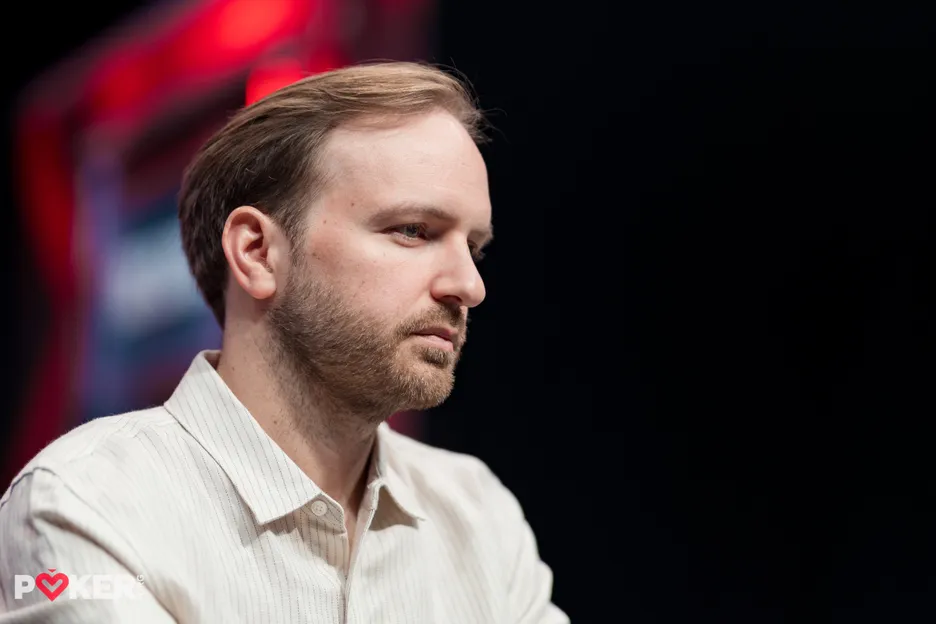
In 2024, he won his first World Series of Poker bracelet. It was a long overdue victory that saw him become only the 10th player in poker history to complete the fabled Triple Crown – winning a World Poker Tour title, a European Poker Tour title, and a World Series of Poker bracelet.
And that's not the only exclusive club he's a member of. As one of only three players to win two live European Poker Tour Main Event titles, Watson has carved out a significant place for himself in poker's history.
And as for playing at the highest stakes, Watson's seven Triton Poker Super High Roller Series titles underline that point.


