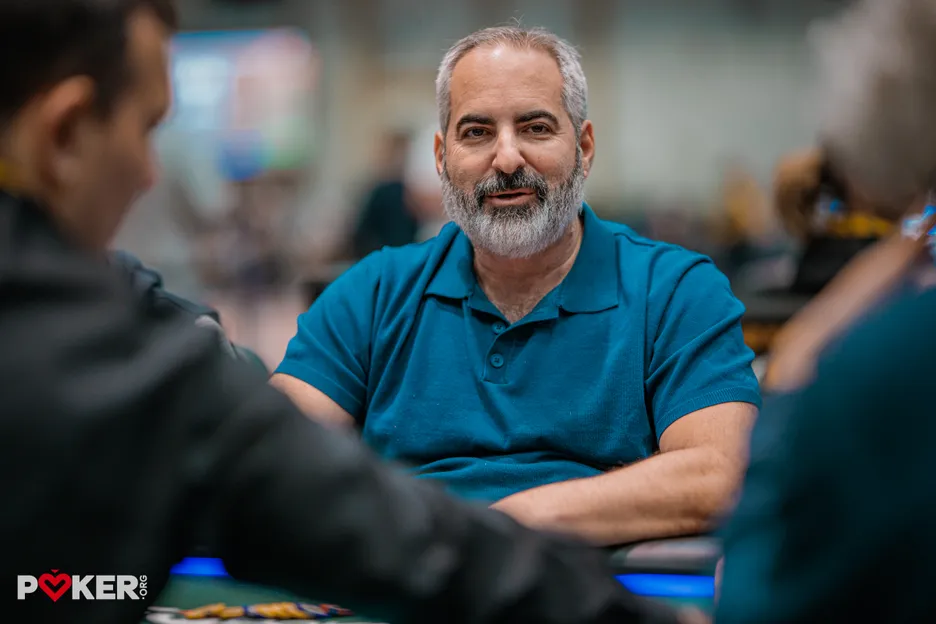


Matt Glantz didn't recognise the number when his phone rang in September.
The caller was a 28-year-old poker player he'd met briefly on the Florida tournament circuit. They barely knew each other, so Glantz let the call go to voicemail.
Then came an urgent text message.
Glantz called him back.
"He started telling me that he's trapped inside poker and can't get out,” Glantz recalls. “He said, ‘I need to talk to someone. I hope you can help me.’ He started getting really emotional and began to cry. Then he said, ‘I’m thinking I’m gonna kill myself.’”
Glantz isn't a mental health professional. But on the other end of the phone was a young man in crisis, asking him for help.
And the conversation reinforced something Glantz had been thinking about for years: What happens when poker becomes your entire life, and you have nothing else to fall back on?
Glantz believes he was fortunate to discover poker relatively late in life. Had he found the game as a teenager, he fears his own story might have been very different.
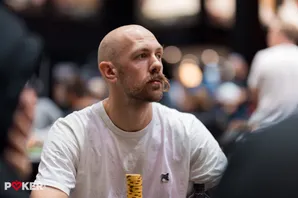
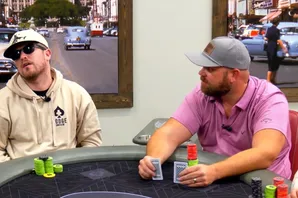
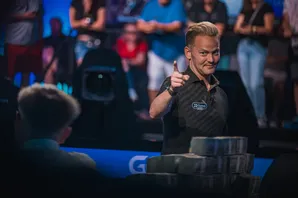
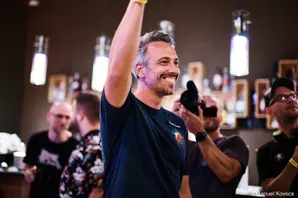
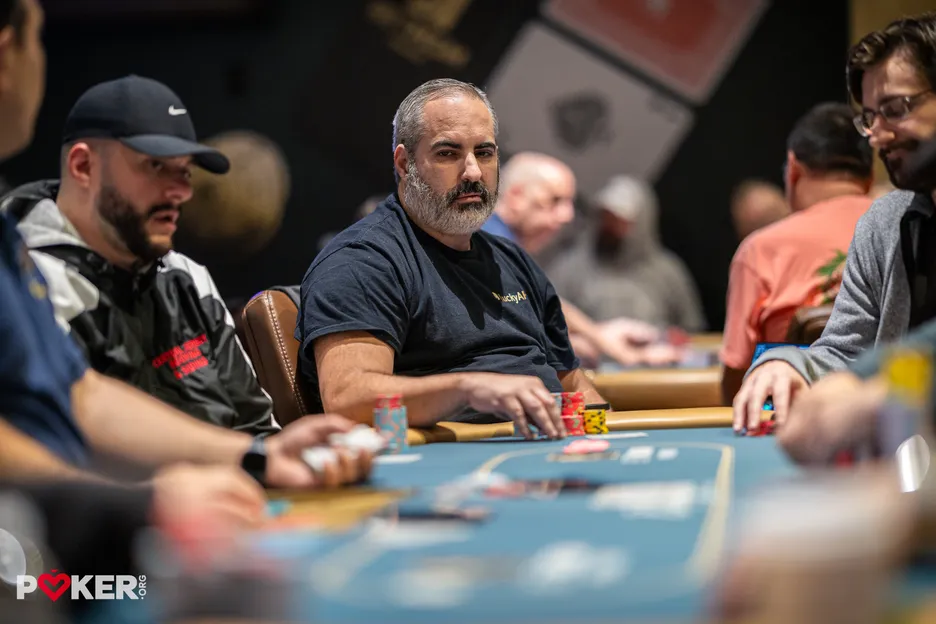 Matt Glantz believes young players need to build a life beyond the poker tables.
'How do I escape poker?'
Glantz is a successful derivatives trader, a veteran poker player and a father. He's spent decades around the game, experiencing its highs and lows while building a life and career away from the tables.
"That call was jarring, and it was scary. I'm not a psychologist. I'm just a poker player, a father, a trader. I've been around. And it wasn't clear to me why he was calling me or what I was supposed to do. But I was telling him I know a lot of people who are in your situation."
It wasn't the first time a player had reached out to Glantz for help.
"People ask me to go to lunch or something. They want advice about how do I get into trading or how do I get into business? But mostly they're all looking for the same thing: How do I escape poker?"
That question gets to the heart of something Glantz believes the poker community doesn't discuss nearly enough.
For every player who achieves the dream of making a living from poker, there are others who spend years chasing it. Along the way, careers, relationships and opportunities outside the game can fall by the wayside.
And even for those who make it to the top, success doesn't always bring happiness.





'I'm glad I found poker at 27 instead of 18'
You recently shared that you were lucky to discover poker at 27 instead of 18. Why do you feel that way?
I feel lucky because I know if I had found poker when I was a teenager, I would be in that boat, like the young player I spoke to. There's no way I think I could just figure it all out, have a family, have a career, and have a solid floor underneath me.
That's why I'm just glad I had all that stuff started before I ever found poker in my life.
Do you believe you might have become an even better poker player if you had started younger?
A better poker player than I am now and more successful than I am now? I guess if I started at 18, I would be totally focused on poker and not focused on life.
But thank God that didn't happen because I think my life would have suffered if I had started earlier.
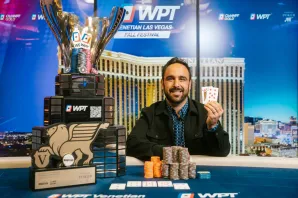
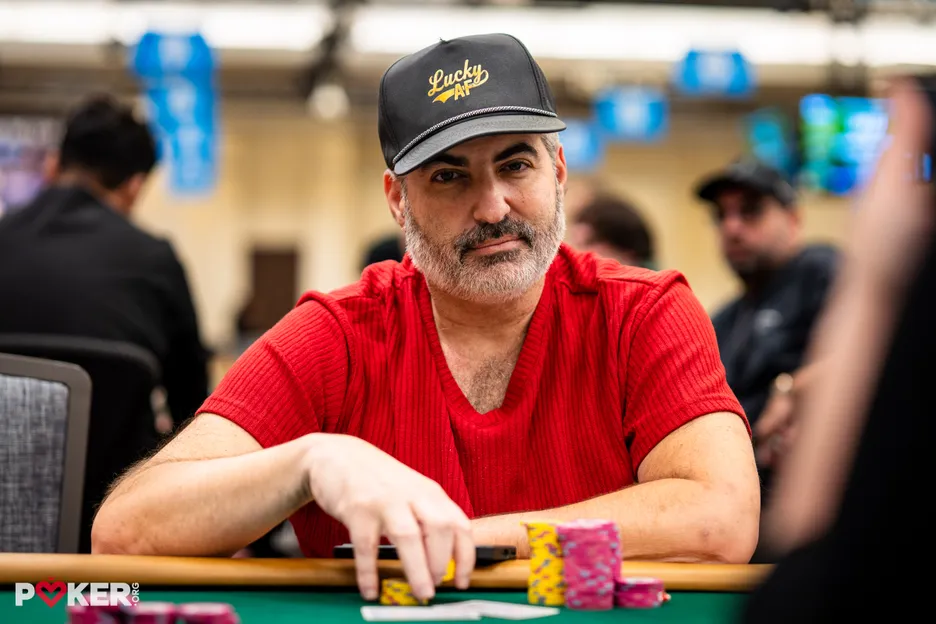 Glantz says even some of the world's most successful poker players struggle to find happiness away from the game.
The hidden cost of chasing the poker dream
Do you believe the poker dream is still alive for young players today?
The poker dream's still alive, but the difference is you only hear about the successful people; you don't hear about all the people who failed.
Let’s talk about 2003 when Chris Moneymaker won the WSOP Main Event. Back then, let’s say for every 10,000 guys who tried to achieve the poker dream, maybe 200 achieved it. Mainly because things were good back then and poker was really much easier.
Now, in 2026, if 10,000 guys are trying to achieve the poker dream, maybe seven do. It’s still there, but much harder to achieve. It's just survivorship bias. Because you're only going to hear about the Chris Moneymakers and those guys who survived you see on the TV games.
You've watched many young players devote their entire lives to poker. What concerns you most about that?
It’s not that you can't make money at poker or can't be successful in the poker business, because you can. That's the truth.
But what it does to you is it kind of blocks you from having that good relationship, building a family, having some kind of career to fall back on, all that kind of stuff.
Because once you're in poker, it's really hard to get out, and you get stuck in it. It's kind of depressing if you think about it.

Have you seen that happen even to incredibly successful players?
As a player, your whole goal is to make a lot of money, be good at poker, and have people respect you. You think that's the answer to everything.
But the thing is a lot of guys, I don't want to say names, I have friends who are top-20 poker players in the world, and they're super successful. They have a lot of money right now, but they have no family, no wife, no kids, and no serious relationship.
They're almost 40 years old or sometimes 45, and they're looking down and saying, ‘I’m not happy. I'm super successful. People think I'm a great poker player. I won a lot of tournaments. I’m at an age now where it seems impossible to even meet someone in time to get married and start a family. What am I going to do 10 years from now?’
That's really sad. I've had friends I've talked to about it, and I feel for them.
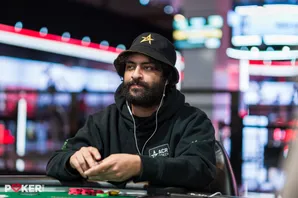
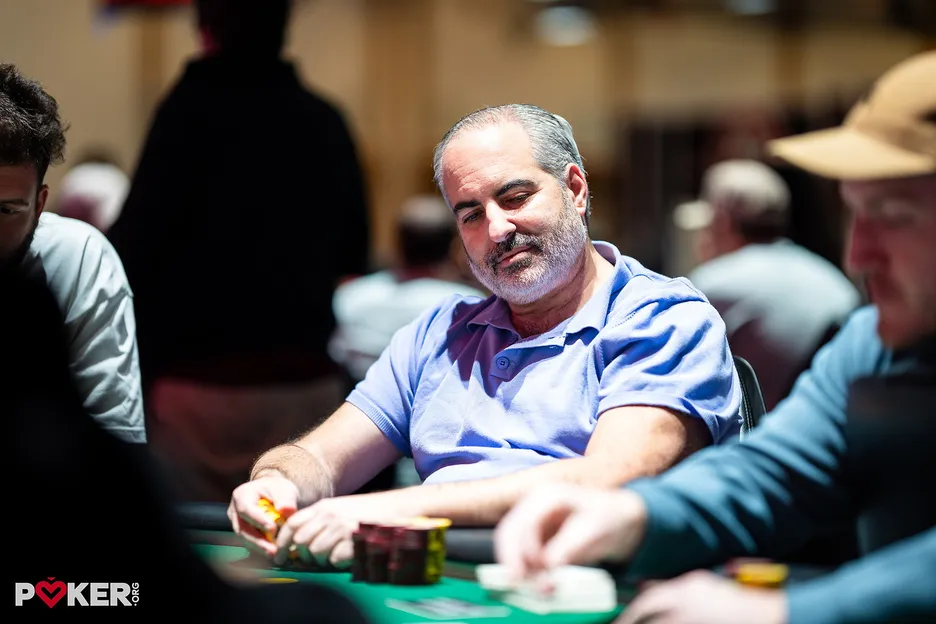 The veteran poker player hopes speaking out will encourage more players to discuss the pressures of chasing the poker dream.
'Put as much effort outside poker as you do into poker'
What advice would you give a 20-something player who wants to find more balance in their life away from poker?
My advice is to put as much effort outside of poker as you do into poker. Because it actually takes more effort to be successful in life outside poker than it takes to be successful inside poker.
You know, we don't think about it that way. When I was their age, I wouldn't think about it that way either. You think when you're 22 years old, you've been playing poker for four years and that's just your life.
Were you surprised by how many players have identified with what you're saying?
I was surprised by how much it hit people, because I knew a lot of people were suffering in the same situation but I didn't realize how many people there were. It seemed like everybody in poker responded to or liked that post.
After that desperate phone call and the response to your post, what do you hope young players take away from your message?
I hope that post gets people to think about their lives and reminds them they're not alone. Many players in their age group are in the same situation because nobody wants to talk about it.
Maybe if they talk about me posting it, maybe they'll be like, ‘Yeah, I feel that way too. I didn't realize you felt that way also.’
If they feel like they're not alone, maybe in the future I won't get a call from some other kid who's going to be thinking about killing himself.
One final question. Can you reveal more about the young player who called you? How is he doing now?
He is still struggling. He does have family support and is more realistic about his options now. I am hopeful he finds his way.
Follow Matt Glantz on X.
If you’re struggling with mental health issues, help is available. FindAHelpline.com can connect you with professional support services in almost any country in the world, while the Suicide and Crisis Lifeline is available within the USA by dialing 988 anytime.