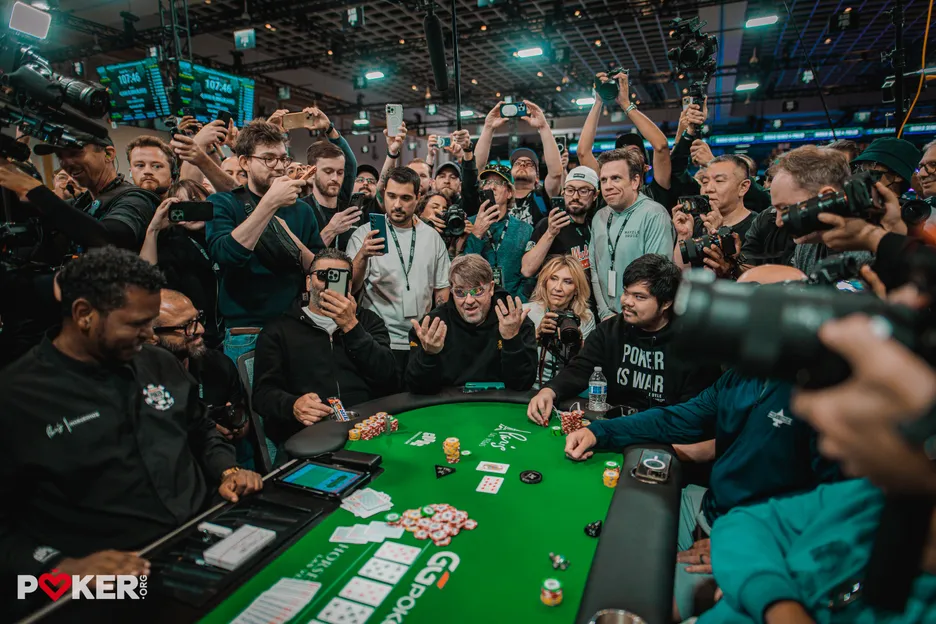


I was at the 2026 World Series of Poker from start to finish. I've been attending for years. My first visit was at Binion's, before I even really knew what poker was. We were there to watch Demis Hassabis, then a video game developer, now CEO of Google DeepMind.
Fast-forward to 2006, which is still my favorite. I witnessed Jamie Gold’s epic run, which I still think is the most entertaining Main Event performance ever. I was there when Will Kassouf was marched out of the Horseshoe tournament area in 2025. But this is the first time I've stayed from start to finish. Actually, with the delayed Main Event final table, I've been cheated of that too.
What follows is an honest review – good and bad – and hopefully some suggestions that can make it even better in 2027.
Let’s not take it for granted
It feels like a good place to start. I was gobsmacked when I first walked into the Rio and saw the scale of the WSOP. I’m less easily impressed these days, but the scale of the WSOP is still astonishing.
For someone who struggles to arrange and execute a home game, it’s honestly incredible that things generally run so smoothly. I’m not papering over the issues (and there are always issues). But I do think that just running a successful WSOP is a huge endeavor and deserves credit.
(It should also be noted here that the WSOP took $47.3 million in fees while giving out $469,975,059 in prize money. $33.1 million of this was kept by the WSOP. The rest went to dealers and staff. They can afford to run something this big, and they should get the majority of it right.)





Listening to players
Why does the WSOP get so much criticism? You could take the WSOP’s line at face value. That they get criticized because they’re the WSOP and that their competitors aren't held to such a high standard. You could, but I won’t. There are always issues and some seem so easy to avoid.
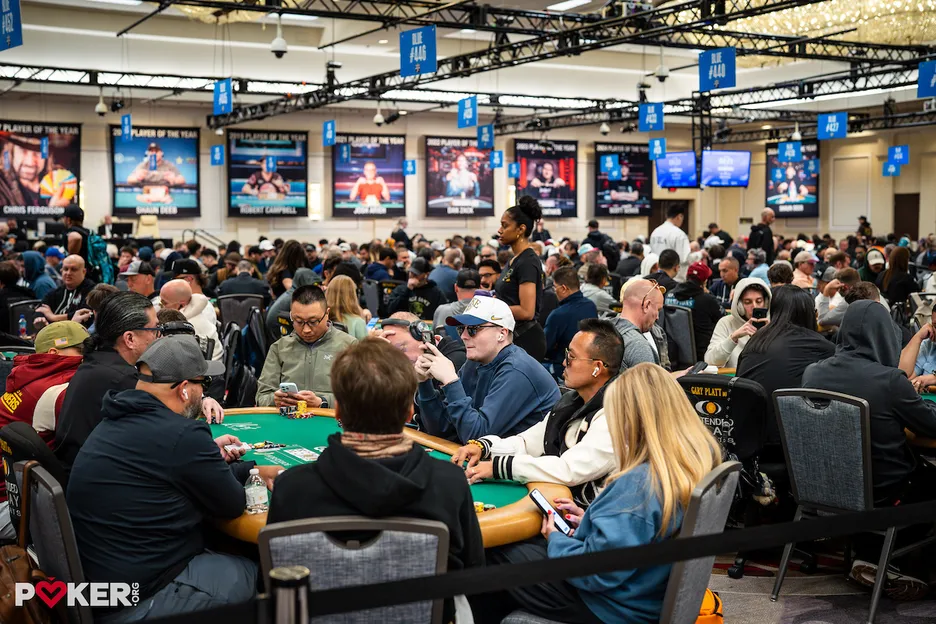
One thing the WSOP has done well is show a willingness to engage. They hired Terrance Reid and Jeff Platt this year, and both have gone out of their way to try and answer questions on social media (and in person). Both are genuinely great people who want the best for players.
We might not get immediate answers from them. And sometimes the replies might sound like politely kicking the can down the road. But it does mean there are advocates inside the WSOP fighting for the players.
Free livestreams
The WSOP does give back as well. The daily livestreams moved from behind the PokerGO paywall to the WSOP’s YouTube channel. It’s not cheap to stream daily. This was a great thing.
Unfortunately, there were huge issues with them. First, the WSOP made the crazy decision to send the footage to South Korea for editing, which meant there was a two-and-a-half hour delay between the action and the broadcast. For an audience that’s used to 30-60 minutes, this was genuinely astonishing.
And the streams didn’t start when the action did. Often the streams didn’t start until 6pm Vegas time, which is 9pm ET. Occasionally it was later. Some streams didn’t finish until 3am Vegas time (6am ET).
Worse, the media were instructed to honor these delays. So live reporting had to go on a two-and-a-half hour hiatus. Journalists couldn’t publish the winner of a tournament until the stream ended.
This is obviously a ridiculous overreach. If you want to watch a stream spoiler-free, just stay off X and stay off poker sites. A media blackout isn't the answer.
The biggest disappointment was the gap between the promises and the reality. I don’t want to hold Daniel Negreanu’s feet to the fire because he’s incredibly generous with his time, and he’s obviously not aware of everything that’s going on. But ahead of the WSOP he said this in an interview with us.
"You won't be missing any moments. From what it sounds like, [there will be] multiple feeds, so if there are two events going on at the same time, you'll be able to choose or watch both. The key historical moments that make the WSOP special won't be at a side table nobody knows about. It's going to celebrate the prestige of the bracelet."
Others painted a similar picture. The reality was this: one stream running through the night in the US, almost zero mixed games, nothing until the final table of the $50K Poker Players Championship bar a few hands, and no streams from some of the biggest final tables, including Negreanu’s $100K PLO victory.
Jeff Platt has promised things will get much better next year.
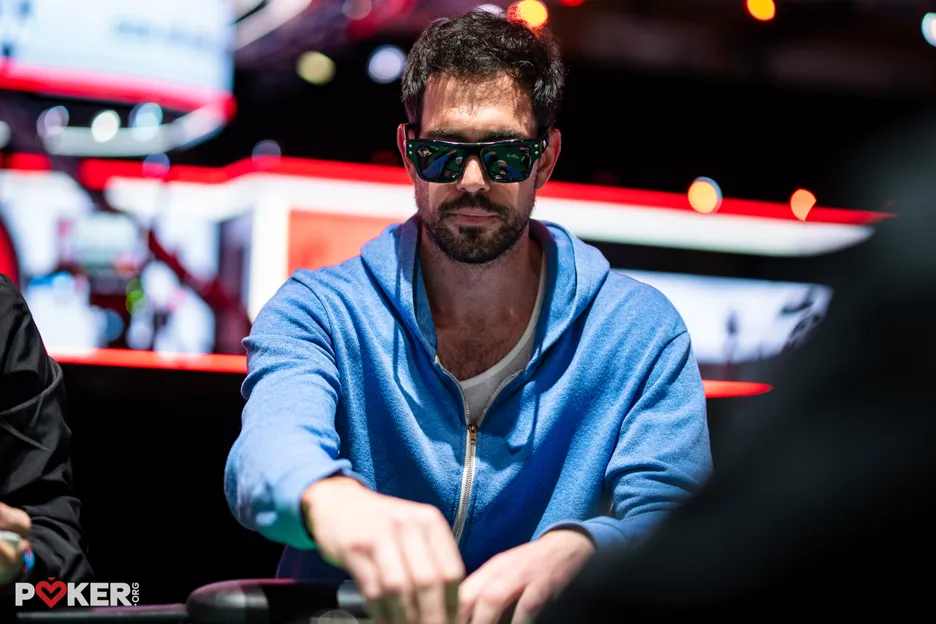
On the flip side, shout-out to Ali Nejad and Nick Schulman, who are the GOATs of poker commentary. Their Night Shifts were worth staying up until 6am for.
Watching it live
This started off terribly and got better. And when things improve, they should be acknowledged.
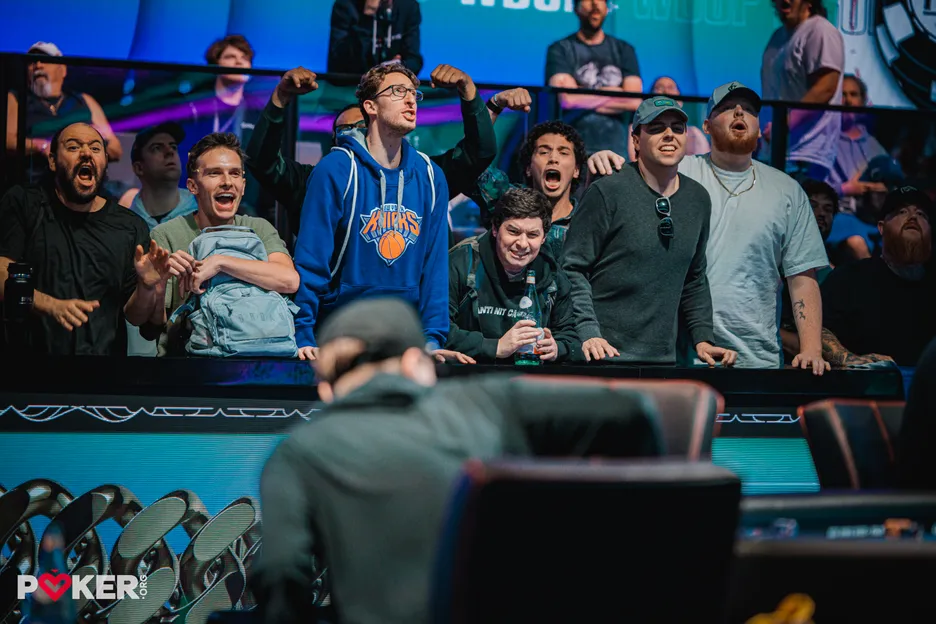
The first experience of watching from the rail in the new mothership was farcical. No one could see anything. No one knew what was going on. You couldn’t see the chip stacks and you were staring at the backs of players.
Later in the summer, the WSOP added live chip counts, overhead visuals of the board and all the action from each player. Suddenly, there was a reason to rail your friends.
ESPN is back!
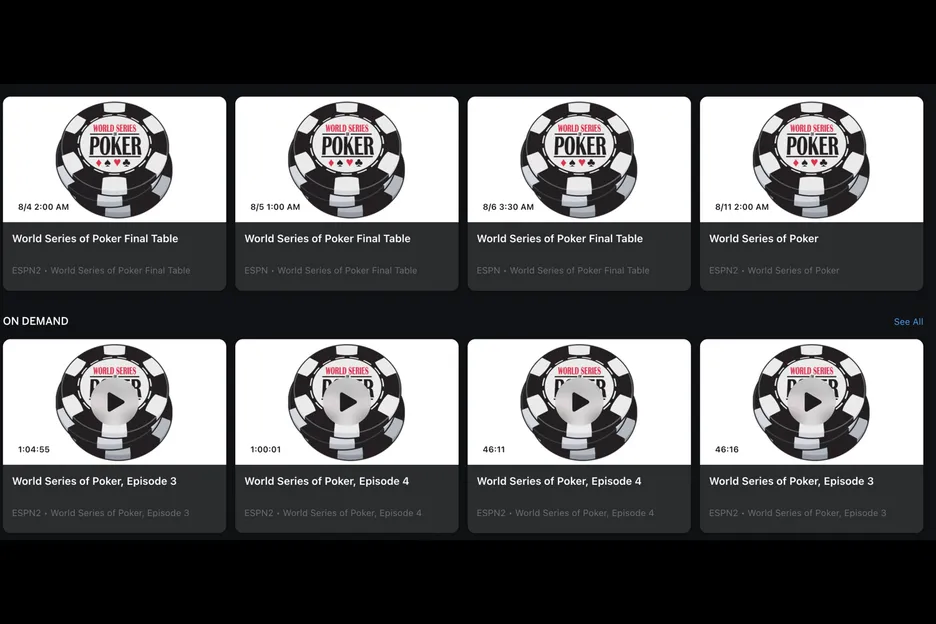
But honestly, what in the world happened to their episodic shows of the Main Event? There were just four episodes covering 12 days of action. The first two covered Day 1s and 2s. The next two skipped the middle and started again with Day 6.
The coverage was great, but why should we be invested in characters that you build up in the first two episodes when you never mention them again? We signed off from Episode 2 with the Foxens – Alex had a huge stack. They’d both vanished by Day 6. As had Michael Mizrachi.
The bubble – one of the best parts of the Main Event – got around 30 seconds. And they didn’t even focus on the bubble, but the meaningless three-way all-in for the Paradise Package.
You could possibly forgive it but for the fact that Chris Moneymaker bubbled. The biggest star of poker's ESPN boom bubbled the Main Event and it barely featured.
The final table is live on Monday and I’m sure that will be an amazing production. The build-up felt like a huge missed opportunity. And what was with the lack of visuals on the ESPN homepage? 12 days of action and some of the most amazing moments in poker, and this is what you look at if you search ‘WSOP’. How's that supposed to attract anyone who isn't already a poker fan?
The biggest controversy
There wasn’t a lot of drama in 2026. Especially compared to the incredible Kassouf blow-up in 2025. The WSOP will consider this a success.
Kassouf was there, but you’d never have known it. Instead, the loudest person in the Main Event was Will Givens, who attracted the cameras and made the headlines without making everyone around him miserable in the process. It’s a shame he suffered a cooler late on and didn’t make the final table.
All the bracelets were awarded. No one was banned (that we know of). In fact, the biggest controversy of the summer came from the WSOP themselves…
Shot clocks
When I woke up for Day 7 of the WSOP Main Event, this is what I saw.
I knew there’d been a hand where a player tanked for 17 minutes late on Day 6. This was the WSOP’s answer. For something so radical, finding out via a tweet from Jeff Platt was wild.
Some people thought it was unfair to recreational players. Some thought it would be better for them.
Dropping it in without any warning felt unfair to everyone. It's in the official rulebook, so they can do it. But it still felt like a radical and unnecessary solution to a problem that was created by the WSOP floor not stepping in when a table was seemingly colluding to secure one of their own a payjump.
And it changed the face of a tournament where people were playing for life-changing money. The first victim was Patrick Leonard, who used all his timebanks early on Day 7, and was then effectively on the clock for the rest of the day.
When the WSOP decided to give out four extra timebanks later in the day, it helped Leonard, and he said it annoyed others who had been saving theirs for a strategic advantage.
Leonard summed it all up perfectly in a post on X.
Too. Many. Re-entries
Mike Patrick wrote about this year’s Monster Stack. It broke a record, but at what cost?
Check out what he had to say about it – and you can take his points and apply them to other events as well. The WSOP is a business and we all want big numbers, but you can’t keep skewing things towards the pros.

How late is too late to late register?
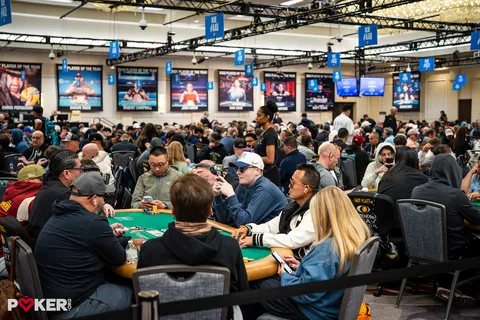
How late is too late? Patrick Leonard and other players summed this up perfectly on X, but some of the late reg issues were terrible.
The best single example was the $100K PLO.
The first level passed without a hand being dealt because there weren’t enough players sitting down. The WSOP needs seven players to start dealing cards.
Daniel Negreanu jokingly announced Eelis Pärssinen’s elimination so that hopefully more players would be persuaded to enter.
Day 1 attracted 50 entries.
Registration closed after the first two levels on Day 2, and 13 players were scheduled to make the money. Just two hours later, only 15 remained, marking an extra short trip from the end of registration to the money bubble.
In those two hours 33 players entered, most at the last minute and the next two levels were carnage. Something surely has to change?
Delayed final table
It feels weird to be back from Las Vegas without a champion being crowned in the Main Event. I’ll hold judgment on that until after the final table plays out next week.
Parking
Parking at Paris was atrocious.
All of the above but… There’s nothing else like it
Every poker player knows this. And the WSOP is so big now there’s no chance of anyone else muscling in, unless they really mess things up. There were too many great stories to mention them all here but…
Big names won big bracelets. Daniel Negreanu, Alex and Kristen Foxen, Michael Mizrachi, Shaun Deeb, Benny Glaser, Adrian Mateos and Nick Schulman all added to their legacies, while Josh Reichard finally captured his first.
Recreational players like Skye Chen proved they weren't drawing dead against the pros, six women won bracelets, Chris Moneymaker bubbled the Main Event, the Player of the Year race was one of the best ever, and Naoya Kihara won over just about everyone he met.
These are just some of the moments that remind you why no tournament series comes close.
Countdown
Let’s admit it. We’re back home and we can’t wait to do it all again in 2027.


