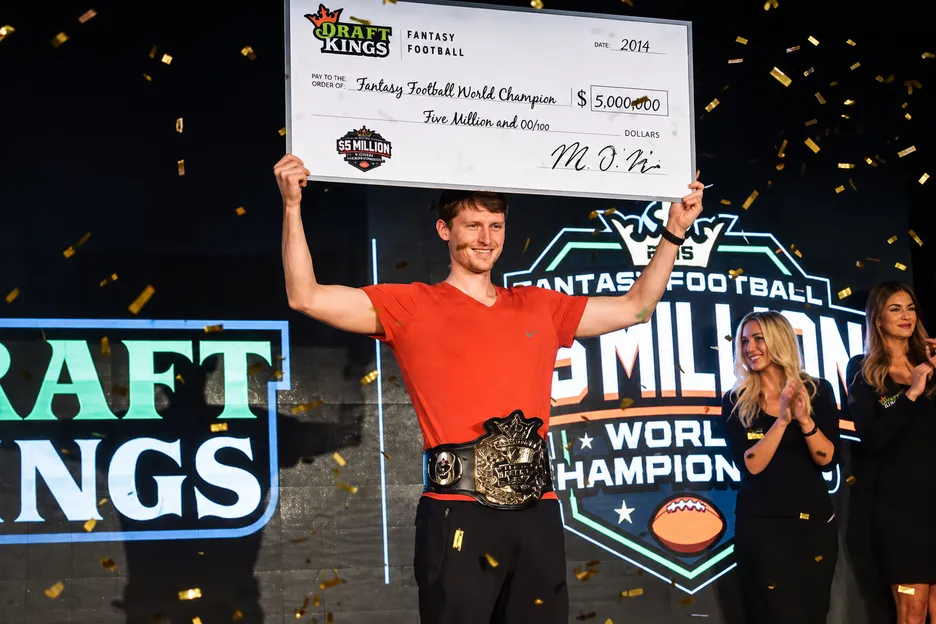


Online high-stakes phenom Aaron 'aejones' Jones was almost as well known for his strategy contributions on the 2+2 forums as he was for his heads-up play online.
While studying philosophy at Butler University from 2005 to 2009, Jones survived the brutal swings of variance and more than a few bankroll wipeouts, eventually emerging from those hard-learned lessons as one of the most successful high-stakes players of the online poker boom.
Players were so curious to learn the ‘secrets’ behind Jones’ success that he eventually packaged his poker musings from A to Z into an audio strategy course featuring guest instructor and rising cash game player Andrew ‘LuckyChewy’ Lichtenberger. The price tag was a staggering $5,000.
‘There was no shortage of buyers,’ Jones tells PokerOrg.
Then, Jones left poker and transitioned to daily fantasy sports (DFS). He became one of the elite players in the game and, in early 2016, he won the DraftKings Fantasy Football World Championship for $5 million – the largest prize in DFS history at the time.
We caught up with him to find out where his obsession with poker took him, what came next, and where he’s headed now.
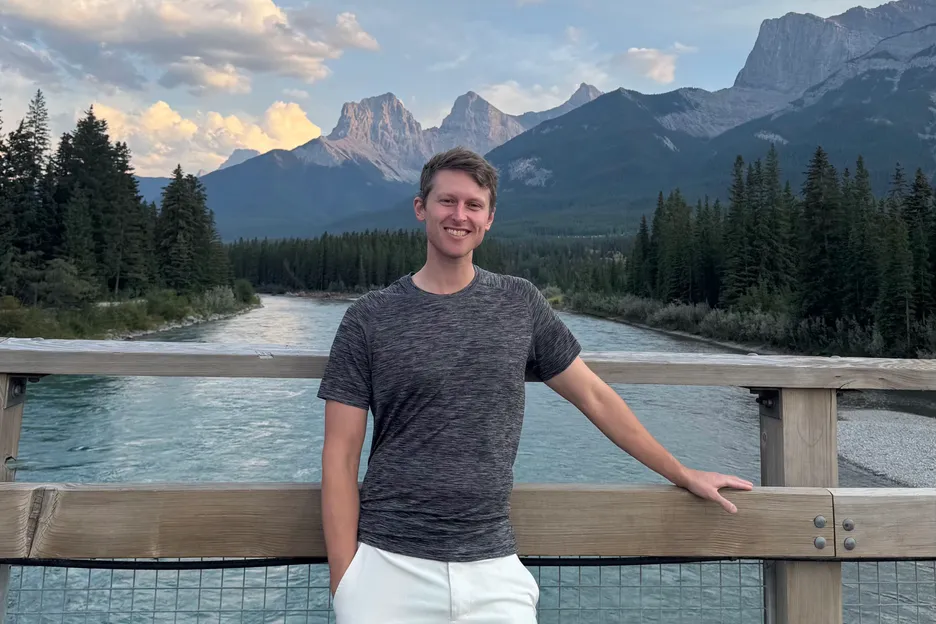
'I was probably never a great player'
How did you get into poker?
I started playing toward the end of high school and continued throughout my twenties. It was the classic beginning: the online boom, home games, and watching poker on ESPN.
If you wanted to improve as a player, you read a few books and found 2+2 forums like everybody did in that era. I slowly rose up the ranks in cash games, eventually bought LeggoPoker, and decided to teach people. I think that was probably the thing I enjoyed doing most in my poker career, more so than even playing.
What was so rewarding about teaching?
I liked getting feedback from the students and learning myself. I was probably never a great poker player. I certainly did quite well, but I didn't see that as much of a strength as I did teaching the game.
Even if I was only, say, a good poker player, I thought I was a great teacher because I could explain why I was doing what I was doing quite simply.








The Durrrr Challenge
You clashed with Dan ‘Jungleman’ Cates online. What did that heads-up battle teach you?
Jungleman smoked me when he was coming up. I was playing bad. I had a lot of money and a lot of ego at the time. He was playing much better than I was. I probably lost about 40 buy-ins to him at $25/$50.
Did you play much against other crushers online as you climbed the stakes?
I did. At the time, there was a certain perception that a few players who had books out or who were on TV had a higher level of proficiency at the game than most. You just assumed that they were very good.
You could figure things out fairly quickly. The first time you saw a player do something dumb, you'd think it must be some genius-level play. The second time, you'd be skeptical. By the third, you'd be thinking, ‘Wait a second, I don't think this guy is actually any good at poker.’ That happened a few times.
Can you share any names?
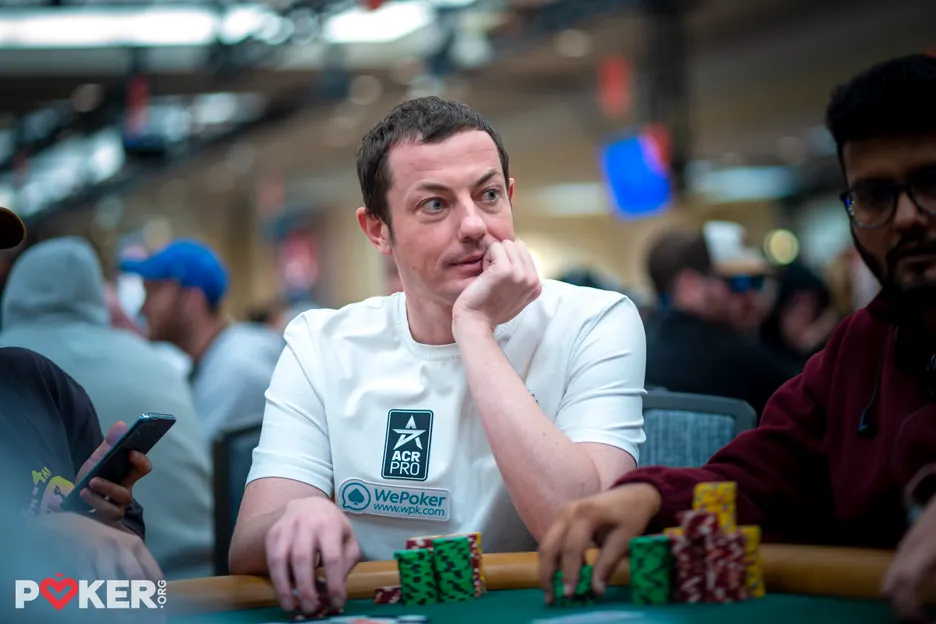
Well, Tom Dwan is a good example of what I'm talking about here. At the beginning, people thought that maybe Tom was this savant. He was playing these hands badly on High Stakes Poker on TV so he could drum up action later.
Did you feel this was what Tom was doing?
Well, I always thought Tom was on some magical level that no one else was on. Then, around 2010, I was practically betting my net worth on Dan Cates in the Durrrr Challenge, because I realized Tom just wasn't very good at poker.
'Ashton Griffin sent me $1 million to play on Full Tilt'
Your mindset and analytical approach to the game seem to be your strongest assets. Do you agree?
I believe so. I was a bit of a rebellious kid. It was around my senior year of high school when I started making some money playing $2/$4 and $5/$10.
But I remember keeping a notebook showing how much money I was making per hour and how much better I was than the previous month. It was a way of calculating exactly how much money I was going to make in the future. It was a proxy for me thinking, ‘How am I going to get out of the 9-to-5 mentality of society?'
You told me a great story about high-stakes player Ashton Griffin that sums up that era. What happened?
One day I woke up at noon, as I did as a 23-year-old poker player, and I had a voicemail from Ashton.
He said, "I have to go to wrestling practice, but these Rail Heaven games are really good on Full Tilt, so I sent you $1,000,000. If you can jump in those games, I'll give you a freeroll. You can take 10% of whatever you win. You’re not going to lose because the games are too good."
He wanted me to jump into the game right away. David Benyamine and Guy Laliberte were there. I didn't know what to do at first. I tried to call him back, but of course he took wrestling very seriously. I didn't get a hold of him. So, I just jumped into the games and ended up winning over $500,000.

From poker and DFS to business and AI
Had you already left poker when you won the $5 million on DraftKings?
By that time I was probably a year or two out of poker. That happened during the boom for DFS between 2014 and 2017.
The DFS boom probably lasted about half as long as the poker boom. There were a ton of people like me and my circle of friends who had a lot of experience with gambling and how to optimize it.
So your poker skills were a valuable tool for DFS?
Definitely. Poker skills are extremely similar. There’s bankroll management, risk tolerance, and understanding what games to play and so much more. Anything you can think of, essentially.
That's why a lot of the same guys that were top DFS guys were also top poker guys – or maybe second-tier poker guys who had sports interests like I did. I would say over half of the top DFS players have some experience with poker.
Do you still participate in fantasy sports?
I don't really play much fantasy on the scale I did previously. The NFL season just started and I would say this will probably be one of the first years where I don't really play at all.
What's next?
I'm doing a little sports betting, but I can tell that's winding down. I own a few blue-collar businesses in the Midwest. I'm going to start up with some laundromats and other opportunities.
I’ve owned a driving school and a few other small businesses with a friend. I'm also doing some real estate development. But what I'm really excited about now, like everybody else, is AI.
I have my hands in a bunch of random projects, and with AI, I have a developer at my fingertips at all times. It's been a lot of fun for me. I'll likely come up with some projects for basketball season, and I'm very excited about the possibilities. There's going to be a short window where we'll have an opportunity to build stuff. It may become very expensive to do in a couple of years.
You've definitely had an entrepreneurial spirit and mindset from the get-go. Life is a game, and you’ve had a fun time playing it.
I always have. I knew as an 18-year-old that I wanted to follow my passions. I got excited early on about how I could create my life in the future.
I was always wondering, ‘How can I turn SimCity – a game I've loved - into my whole life?' I think I've been lucky enough to do just that so far.
Follow Aaron Jones on X.
Cover photo courtesy of DraftKings